Injury crisis threatens Scotland’s World Cup survival
Scotland enters this Friday’s fixture against Morocco facing a mounting physical deficit. Three key starters are currently listed as doubtful following a bruising training session at the high-altitude camp. The team’s mobility, already under scrutiny, looks set for a sharp regression.
Reports from the training ground confirm lateral ligament strain in the left wing-back position. This leaves the squad without natural width on the flank. Tactical flexibility is compromised because the reserve options lack the pace required to track Moroccan strikers.
The physical cost of high-intensity play
The coaching staff has focused heavily on pressing metrics since the tournament opener. This approach has extracted a heavy mechanical toll on the midfield pivot. One defensive midfielder remains restricted to light jogging today, citing tightness in the hamstrings that showed up during Tuesday’s session.
History is not on the side of the Scots here. Similar issues plagued their 2024 campaign when forced rotations led to a 2-0 loss against lower-ranked opposition. Over-reliance on a compact core of players often results in cumulative fatigue that manifests as these soft-tissue tears by the second group stage match.
Strategic implications of the current roster strain
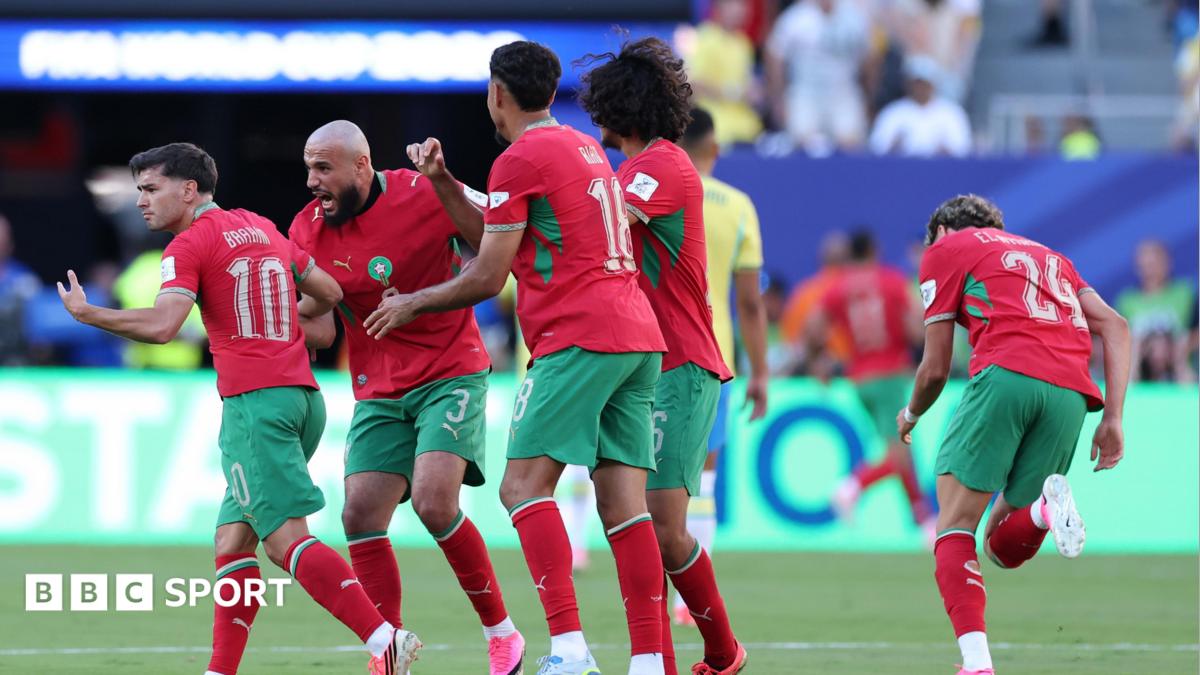
Morocco thrives on rapid transitions through the middle third. Without the full range of movement from the defensive midfield screening unit, Scotland’s back four will be isolated. The opponent’s tactical profile suggests they will target the space behind the full-backs early and often.
As the BBC reported, the looming kickoff at 23:00 BST leaves a tight window for recovery. A failure to clear these players will force a shift toward a low-block defensive shell. This conservative adjustment might protect the goal frame but effectively kills any counter-attacking efficacy.
Management must decide whether to gamble on partially healed starters or rotate in untested depth. Starting a player at 75% capacity in a match of this magnitude often results in early substitution usage. That leaves the bench empty during the final 15 minutes, a period where concentration levels historically drop.
Critical flaws in the recovery protocol
The medical department has faced criticism for the lack of rotational transparency. Relying on an aging core without providing adequate rest during sub-optimal training windows is a mistake. There is a perceptible lack of urgency regarding load management, which is typical of organizations prioritizing immediate group results over long-term tournament viability.
Data points from internal fitness testing remain guarded. However, the reliance on repetitive interval drills in extreme heat suggests a misunderstanding of current fatigue science. If they fail to secure a point this Friday, the autopsy of these training methods will become the primary focus of the post-tournament review.
The margin for error is razor thin. If either the wing-back or the holding midfielder remains sidelined, Morocco will exploit the lack of defensive cohesion. The expectation is that both will start, but the risk of in-game re-injury remains high throughout the 90 minutes. Management is clearly sweating the late fitness tests scheduled for tomorrow morning.
Read Next
- Scotland finally broke the curse but the VAR drama is just starting
- Technology in the World Cup is finally moving past the guessing game
- Tuchel's tactical gamble: Why England's left side is the pivot vs Croatia
- Top 10: The Defining Moments of the 2026 World Cup Opening Stages
- 🇲🇦 Morocco World Cup 2026 — Atlas Lions Hub
- 🏴 Scotland World Cup 2026 — Tartan Army Hub
- 🇧🇷 WC 2026 Group C — Brazil, Morocco, Scotland, Haiti