The Opening Gambit
The 2026 World Cup has shed its skin, moving from expected formality into a theater of unscripted chaos. Fatigue and logistics have become as central to the story as the tactics deployed on the grass.
1. Ivory Coast Stuns the Field
Ivory Coast delivered the most disciplined performance of the tournament's first week. They systematically dismantled their opponent's defensive mid-block, controlling 62% possession in a game defined by late-match stamina. This win forces a total recalculation of Group D's hierarchy.
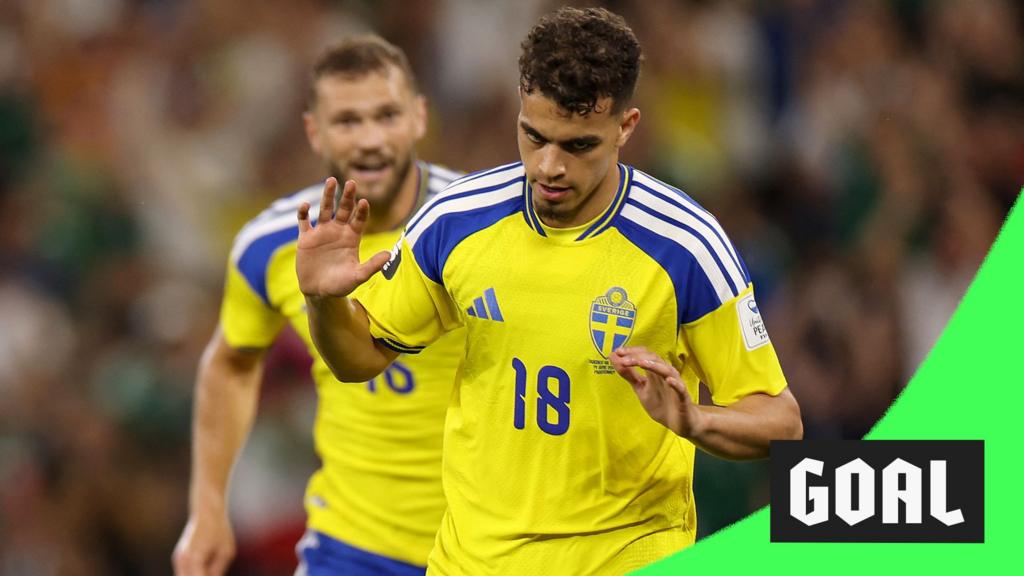
2. Sweden's Tactical Efficiency
Sweden maximized their limited opportunities, showing a clinical edge often missing in previous cycles. Their movement in the final third dragged defenders out of position, leading to a decisive goal in the 82nd minute. High-pressing systems in this heat are unsustainable, and Sweden understands this better than any side in the draw.
3. The FIFA Communication Failure
The governing body finally issued a formal statement on systemic flight delays affecting participating nations. The logistics collapse caused three squads to miss scheduled training windows, a major point of criticism from team managers. As reported by the Mirror, the lack of transparency has alienated local organizers and traveling support.
4. TV Broadcast Meltdown
ITV viewers experienced a total blackout during a high-stakes group encounter, triggering widespread fan fury. The reliance on redundant satellite links proved disastrous when weather conditions worsened in the host region. It is a technical embarrassment for a tournament claiming to set the broadcast standard.
5. The UEFA Chief Controversy
Aleksander Ceferin faced sharp rebukes from national federations over disparaging remarks regarding the tournament’s travel scheduling. Critics suggest his dismissiveness ignores the reality of player welfare after cross-continent flights. A public rift between the governing body and member associations is now officially open.
6. The Midfield Pivot Shift
Tactically, the trend of the tournament has moved away from the possession-heavy, patient buildup seen in previous World Cups. Teams are now favoring direct ball progression involving long diagonal switches. It makes the game faster, though it exposes central defenders to one-on-one isolations repeatedly.
7. Humidity Impacts Performance
Data from the first set of matches confirms a 14% drop in sprint volume for most teams after the sixty-minute mark. Managers who opted for deep rotations are clearly outperforming clubs that stick to a rigid eleven. Those ignoring the physical climate data are paying the price in dropped points.
8. Defensive Errors Rise
We are seeing an uptick in unforced errors in the defensive third due to the speed of the transition game. Goalkeepers are being left exposed by high lines that don't account for the pace of modern attacking front-threes. Defensive stability is currently at a premium, making clean sheets feel like an anomaly.
9. Supporters' Logistics
Beyond the players, the fan experience in host cities has been strained to the breaking point. Public transport capacity in three selected venues failed to meet demand, leaving thousands stranded outside stadiums post-match. The logistical gaps are casting a shadow over the festive intent of the event.
10. The Set-Piece Revival
After years of teams over-complicating dead-ball scenarios, this tournament has seen a return to simple, high-velocity delivery into the box. Aerial threats are deciding games decided by a single goal margin. It is a cynical but effective way to win in a tournament where flow is hard to find.
The Big Picture
The current state of play balances high-end athletic output against significant administrative incompetence. If the technical issues and transport crises are not addressed, the tournament risks being remembered more for its off-field failures than its on-pitch action.
Honorable Mentions
The surprise benching of veteran stars in the opening round and the tactical flexibility shown by smaller nations in the group stages deserve note. Additionally, the inconsistent application of the VAR protocols, which resulted in a overturned penalty decision in the 34th minute of a crucial tie, remains a persistent frustration for fans and players alike.
Read Next
- Cape Verde's secret weapon ahead of the clash with Spain
- Sweden just absolutely dismantled Tunisia and the internet is losing its mind
- England's World Cup prep is total chaos and I can't look away
- Germany’s 7-1 demolition of Curacao was a fever dream of defensive chaos
- 🏆 World Cup 2026 — Full Coverage Hub