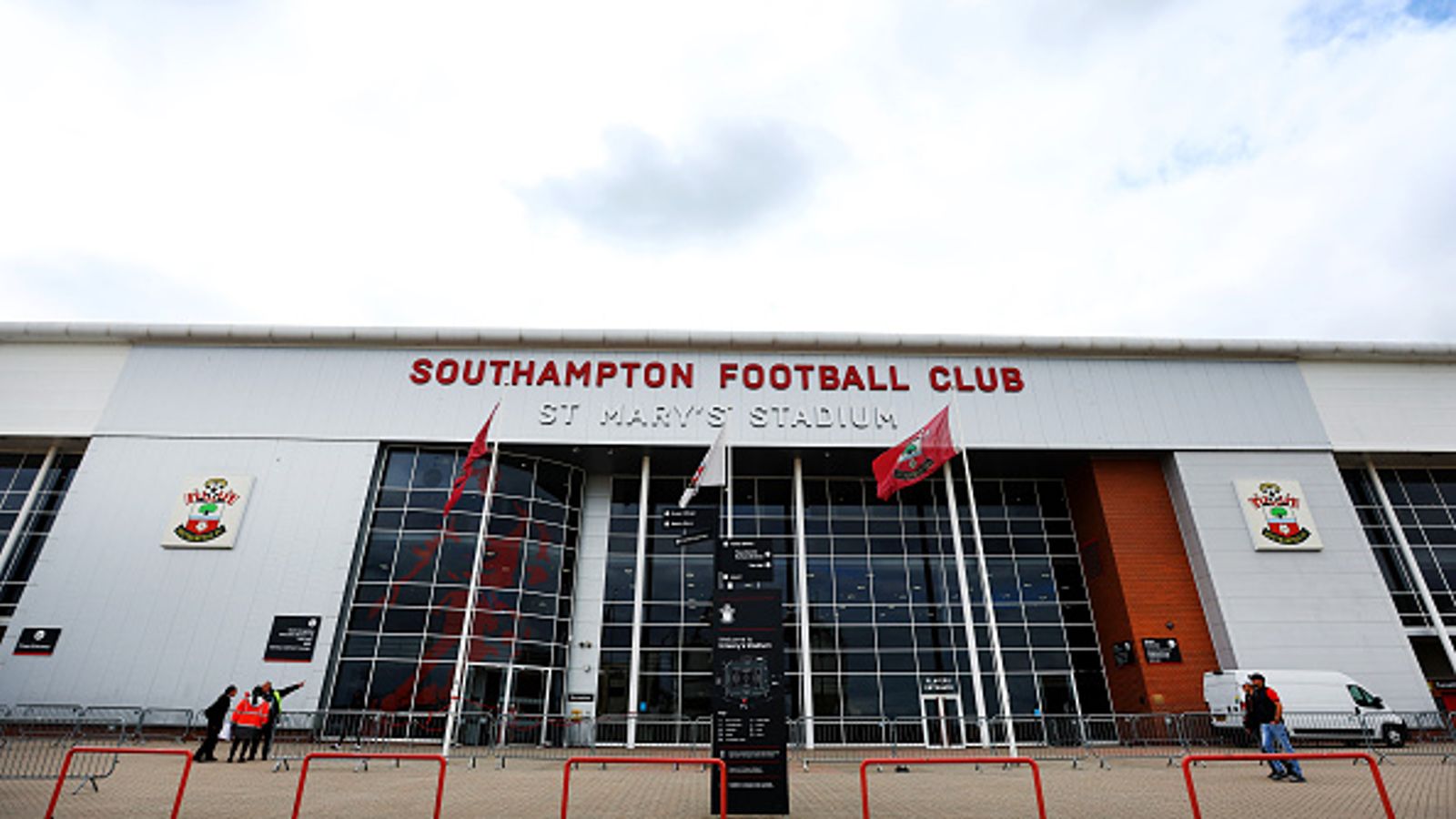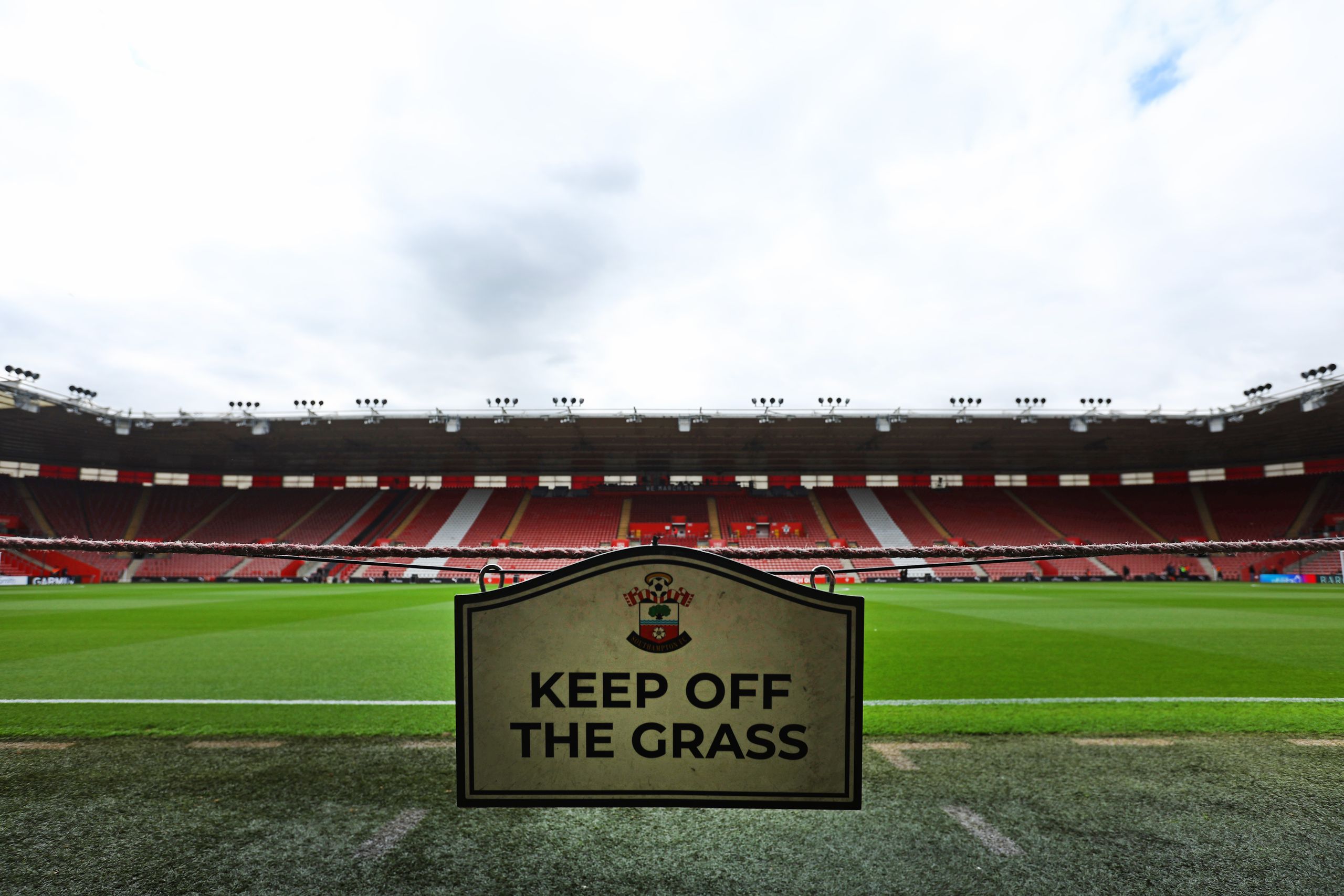
The St. Mary's Pressure Cooker
The Championship play-offs are an entirely different sport. You spend nine months playing a marathon, focusing on marginal gains, sports science, and load management. Then May arrives, and it all boils down to a chaotic sprint where tactics often take a backseat to pure nerve. For Southampton and Middlesbrough, this tie is the culmination of a grueling season that has demanded everything.
Southampton's fans know this feeling all too well. The expectation that hangs over St. Mary's isn't just a desire for promotion; it feels like an absolute demand. When you come down from the Premier League, the financial realities dictate that you must return immediately. Failure to do so means restructuring, selling your best assets, and facing the harsh truth that you are now just another Championship club.
Middlesbrough arrived on the south coast carrying less of that existential dread, but bringing a tactical sharpness that immediately unsettled the home crowd. From the first whistle, Boro looked like the sharper, more cohesive unit. They didn't just sit deep and hope for a break. They engaged high up the pitch, challenging Southampton to play through them.
For 44 minutes, the Saints looked completely devoid of answers. The anxiety in the stands was transferring directly to the players. Passes were misplaced, and clearances were rushed. St. Mary's was rapidly becoming a venue of immense frustration rather than a fortress.
A Lifeline When They Needed It Most
The psychology of a two-legged tie is remarkably fragile. Had Southampton gone into the dressing room trailing at the break, the halftime team talk would have required a monumental shift in morale. The players would have heard the grumbles from the concourse. They would have felt the weight of that potential £140 million failure staring them in the face.
Then came the intervention. Ross Stewart is a player whose narrative at St. Mary's has been overwhelmingly frustrating. Signed with the expectation of firing them out of the division, his body has repeatedly betrayed him. He has spent significantly more time on the treatment table than on the pitch.
But big money is spent for big moments. As Sky Sports reported, Stewart leaped highest to nod the Saints level right on the stroke of half-time. He dominated his marker and powered the ball home.
It was a goal completely at odds with Southampton's usual intricate style. It wasn't pretty, and it certainly wasn't a product of a sweeping passing move. It was raw, physical dominance in the penalty area. And it was exactly what they needed to survive the half.
The Midfield Disconnect
There is a stubbornness to Southampton's approach that is both admirable and deeply frustrating. Their commitment to dominating possession and playing out from the goalkeeper is a non-negotiable philosophy. When it works, it looks like Premier League football. When it fails, it looks like a slow-motion car crash.
This is the fatal flaw in their setup. Against a well-drilled pressing team like Middlesbrough, the insistence on short goal kicks and risky passes across the penalty area invites disaster.
Southampton's midfield trio operated like strangers for the majority of the first half. The spacing was consistently wrong. When the center-backs had the ball, the pivots pushed too high, hiding behind Middlesbrough markers instead of showing for the short pass.
This forced the defenders into playing hopeful, lofted passes out to the full-backs. Middlesbrough's pressing triggers were perfectly calibrated to attack those exact passes. The wingers collapsed inward, trapping the receiver against the touchline. It was a systematic dismantling of the home side's preferred passing networks.
A team obsessed with control was forced to watch as they surrendered it cheaply, time and time again. Southampton looked rigid, predictable, and entirely unprepared for the sheer aggression of the opposition block. If they step out for the second half with the exact same tactical blueprint, they are asking to be eliminated.
Middlesbrough's Missed Opportunity
While the home dressing room will feel a profound sense of relief, the away dressing room must be battling a severe case of regret. Middlesbrough executed their game plan almost perfectly for 44 minutes. They silenced the crowd. They dictated the tempo without needing the ball.
To concede from a relatively straightforward cross in the dying seconds of the half is a bitter pill. It undoes so much of the hard work. It gives a struggling opponent a lifeline they barely deserved.
The question now is whether Boro can replicate that intensity. Pressing high requires immense physical conditioning. Doing it for 45 minutes is one thing. Doing it for 90, especially with the mental blow of the late equalizer, is a monumental ask.
Their transition game remains lethal. Every time Southampton commit bodies forward, Boro look capable of slicing through them on the counter. But they need to be clinical. In play-off football, you rarely get five clear-cut chances; you get two, and you have to bury them immediately.
The Value of Direct Action
This is why the equalizer matters so much tactically. It proved that Middlesbrough's defense can be breached when you bypass the congested middle of the pitch.
Ross Stewart does not care about passing triangles. He cares about isolating his marker, judging the flight of the ball, and attacking the space. When the ball was delivered into the box, he was the only player completely committed to winning it.
There is a strange snobbery in modern football regarding direct play. Teams would often rather lose while playing aesthetically pleasing football than win by putting a big man up top and hitting him early. Southampton desperately need to shed that snobbery right now.
Stewart gives them a focal point that terrified the Boro center-backs. Every time he backed into a defender, panic ensued. The second balls suddenly started falling to Southampton shirts because the initial aerial duel disrupted the defensive line.
The Final Verdict
Play-off football rarely delivers free-flowing spectacles. The stakes are simply too massive for teams to play with true freedom. This tie will be a nervous, attritional battle decided by incredibly fine margins.
Stewart's header fundamentally altered the psychological momentum of the tie. Southampton will emerge from the tunnel with renewed belief. The crowd, previously turning toxic with anxiety, will be reignited. The home side will likely attempt to exert more control, taking fewer risks in their own defensive third.
Middlesbrough are faced with a difficult choice. Do they continue the high-energy press that worked so well, risking heavy fatigue in the final twenty minutes? Or do they drop slightly deeper, absorb the pressure, and rely solely on their counter-attacking speed?
It will be a grueling, deeply tense affair. Neither side will want to make the fatal error. The margins for error have evaporated completely.
Prediction: Southampton to grind out an ugly, nerve-shredding victory. The quality in their squad, combined with the energy of that late equalizer, should just about see them through. It won't be a masterclass in possession football; it will likely take another moment of raw physicality or a set-piece to separate them. Middlesbrough will push them to the absolute limit, but the Saints will book their ticket to Wembley.