Southampton Stared Into the Abyss and Found a Winner
The Unravelling That Wasn't
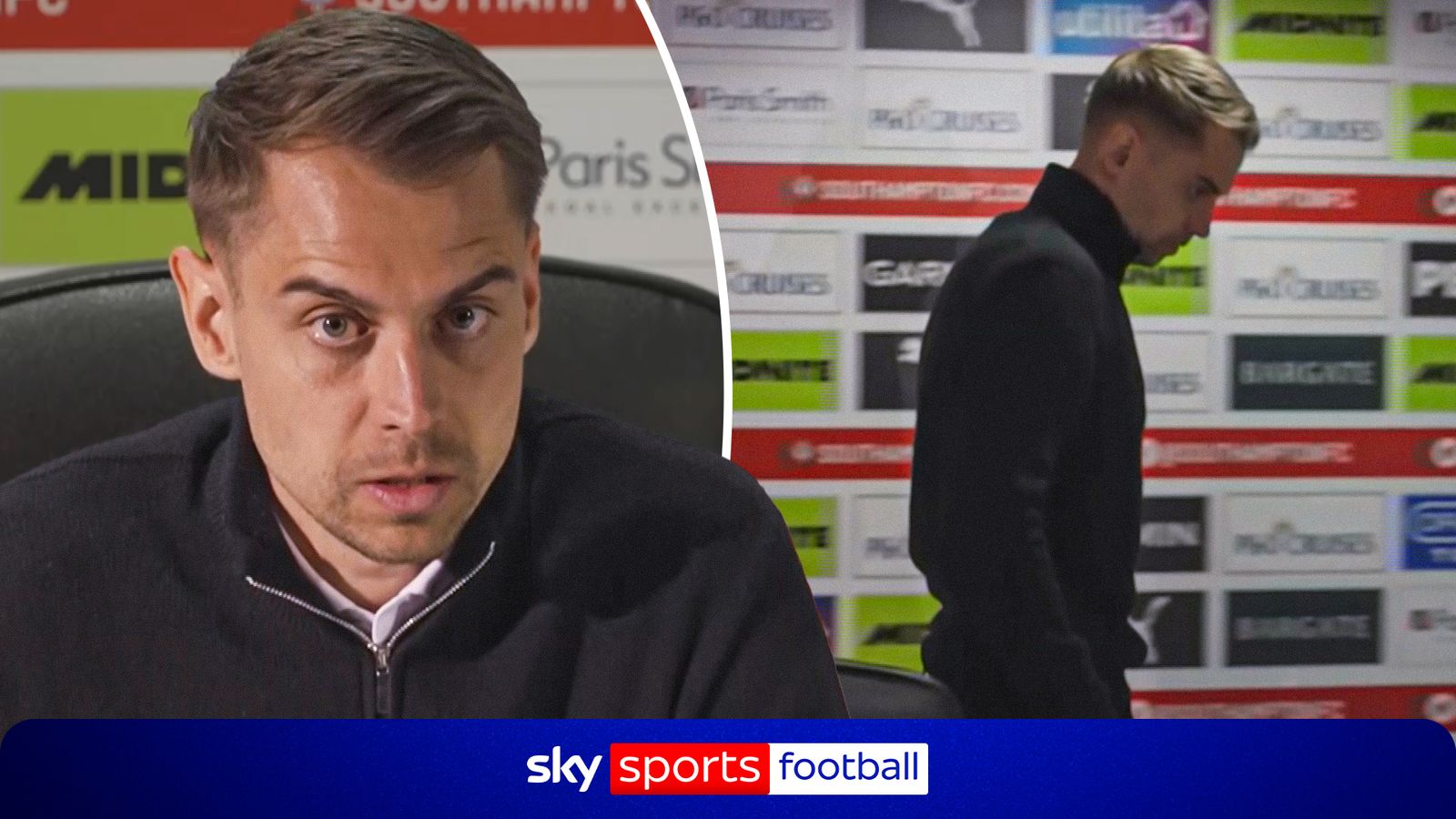
For a few days, it looked like Southampton’s season was coming apart at the seams. It wasn’t just the pressure of the Championship play-offs, a notoriously brutal tournament that invalidates 46 games of hard work in a heartbeat. It was the noise from the outside, the kind of distraction that can fester and derail a promotion charge before it even reaches its final destination. The accusations of espionage, the so-called “spygate,” had clearly agitated manager Tonda Eckert. His decision to walk out of a press conference after being pressed on the matter was not the picture of a man in calm control.
The incident, where Eckert snapped "are you a cheat?" back at a journalist before leaving, felt like a crack in the armour. Play-off campaigns are won on fine margins, not just on the pitch but in the mind. Teams need unity, focus, and a siege mentality. Introducing a narrative of unfair play, whether real or perceived, is a wildcard that can poison the well. It gave Middlesbrough and their supporters a grievance, a hook to hang their own hopes on. It gave the media a storyline that had nothing to do with tactics or form. For a moment, it felt like Southampton were losing the psychological battle before the most important 90 minutes of their season had even begun.
This is the kind of drama that often precedes a collapse. We’ve seen it before. A manager losing his composure, a squad looking rattled, and an opponent smelling blood in the water. It was a needless, self-inflicted wound at the worst possible time. Instead of discussing his side's tactical approach for the second leg, the conversation was dominated by Eckert’s prickly exchange. It was a mess, and it handed the advantage, or so it seemed, squarely to Middlesbrough.
Boro Pounce on the Chaos
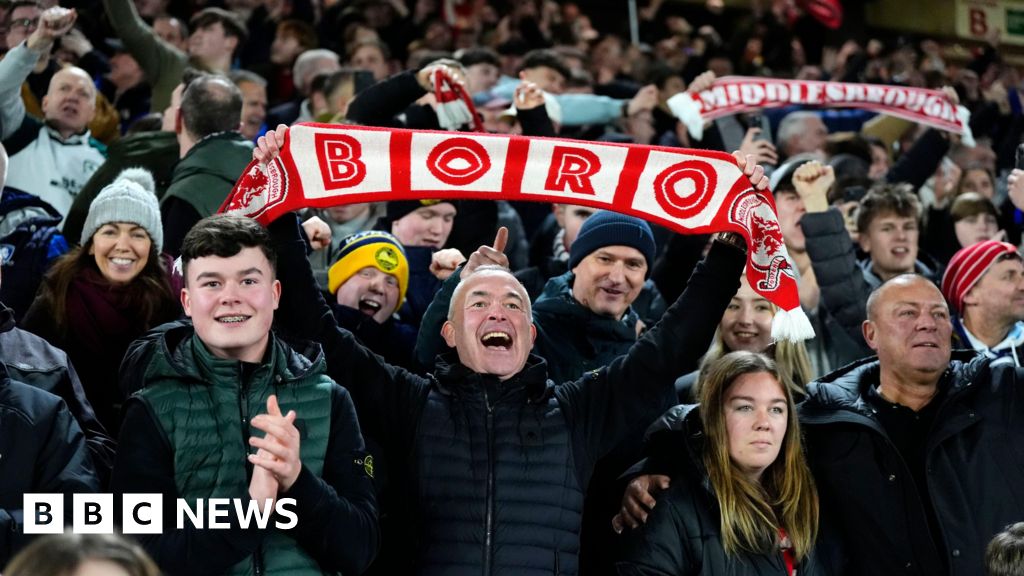
Michael Carrick’s Middlesbrough side did exactly what any well-drilled team would do in the circumstances: they started fast and aimed directly for the perceived weakness. They didn’t wait to see if Southampton were rattled; they acted on the assumption that they were. St. Mary’s was a cauldron of anxiety, and Boro turned up the heat inside the opening ten minutes. Their early goal was a masterpiece of opportunism and precision.
The move was swift and incisive, cutting through a Southampton side that looked static and nervy. When the ball was worked to Riley McGree on the edge of the area, he still had plenty to do. But his finish was sublime, a sweeping strike that silenced the home crowd and sent the travelling fans into ecstasy. It was a dream start for the visitors, and the perfect validation of their game plan. They had capitalised on the moment, turning the psychological pressure into a tangible, on-the-scoreboard advantage.
For the next phase of the game, Southampton looked lost. The early goal, compounded by the pre-match drama, had knocked them completely off-balance. Passes went astray, players seemed hesitant in the challenge, and the fluid football that had defined their season was nowhere to be seen. Middlesbrough were comfortable, sitting in their shape, frustrating the Saints and looking the more likely to score again. The promotion dream was quickly turning into a nightmare on home soil.
The Unlikely Scramble Back to Life
Southampton’s equaliser, when it eventually came, was not a goal that will live long in the memory for its beauty. It was scrappy, chaotic, and born of desperation more than design. A hopeful ball into the box caused a frantic scramble, a pinball machine of deflections and blocked shots. Eventually, the ball broke to Taylor Harwood-Bellis, who bundled it over the line from close range. It was ugly, but it was absolutely vital. It didn't signal a tactical masterstroke, but it did show a flicker of the required fighting spirit.
The goal reset the terms of the engagement. It levelled the score on the night and put Southampton back ahead on aggregate, but the tension was unbearable. The game descended into a war of attrition, a nervy, attritional battle with neither side willing to risk the fatal mistake that would end their season. Extra time felt inevitable, and when it arrived, it brought a fresh wave of anxiety. Thirty more minutes where a single moment of brilliance or a single lapse in concentration would decide everything.
Extra time was cagey, defined by tired legs and frayed nerves. Both teams had chances, half-chances really, but the goalkeepers remained largely untroubled. The game was crying out for a hero, someone to step up and break the deadlock that was pushing the tie towards the lottery of a penalty shootout. With every passing minute, the stakes grew higher, the muscles grew tighter, and the prospect of penalties loomed larger.
A Moment Shea Charles Will Never Forget
And then, the moment came. With just minutes separating the teams from penalties, Southampton found their hero from an unlikely source. Midfielder Shea Charles, a player more known for his defensive work and steady passing, found himself in an advanced position as the ball broke his way. He took a touch, set himself, and unleashed a shot that arrowed into the back of the net. The eruption at St. Mary's was a mixture of joy, relief, and disbelief.
It was a goal worthy of winning any game, a clean strike that decided a tie that had been anything but. For Charles, it was the pinnacle of his young career. "You dream of these moments as a kid," he told the BBC afterwards. It's a cliché, but it's a cliché for a reason. In the most high-pressure moment of his team's season, he delivered a piece of individual brilliance that changed everything.
"To do it here at home in front of all the fans, to send them to Wembley, it's a moment I will never forget." - Shea Charles
The late winner was the culmination of a comeback that was as much about character as it was about quality. Southampton had been on the ropes. They had weathered a media storm of their own making, conceded a nightmare early goal, and been dragged into a dogfight for over 115 minutes. Yet, they found a way. They stared into the abyss of another failed promotion campaign and, thanks to Shea Charles, found a path to Wembley. It was a dramatic, chaotic, and ultimately triumphant night that proved their season wasn't over yet. They survived the unravelling.
Read Next
- Southampton's Wembley trip is clouded by training ground shadows
- Southampton and Boro are fighting for £200m in a total legal mess
- Why the desperation for a clue is breaking English football
- Southampton survive Boro chaos but Spygate and scandal threaten Wembley trip
- 🏟 EFL Championship 2025-26 — Promotion Race & Play-Off Final Hub
Inverting The Pyramid: The History of Soccer Tactics by Jonathan Wilson
The definitive bible on how football is really played.
More Coverage

Michael Skubala takes the hot seat at Ashton Gate
9 hours ago
Hayden Hackney's Middlesbrough future looks increasingly uncertain
1 day, 11 hours ago
Bournemouth are actually keeping Tommy Elphick
1 day, 18 hours ago
West Ham's post-relegation malaise is just beginning
2 days, 15 hours agoSergej Jakirović is failing upward and he is not going to apologize for it
3 days, 5 hours ago
Southampton are in total disarray days before the biggest game on earth
3 days, 5 hours agoMore Analysis
Southampton's chaotic semi-final win is a tactical and moral mess
2 weeks, 2 days ago
Southampton survive Boro chaos but Spygate and scandal threaten Wembley trip
2 weeks, 2 days ago
Shea Charles Just Sent Southampton to Wembley. Now What?
2 weeks, 2 days ago
Southampton’s tactical paranoia is the final ingredient for a Wembley win
2 weeks, 2 days ago
Southampton's Wembley trip is clouded by training ground shadows
2 weeks, 2 days ago