The Panel Drops the Hammer
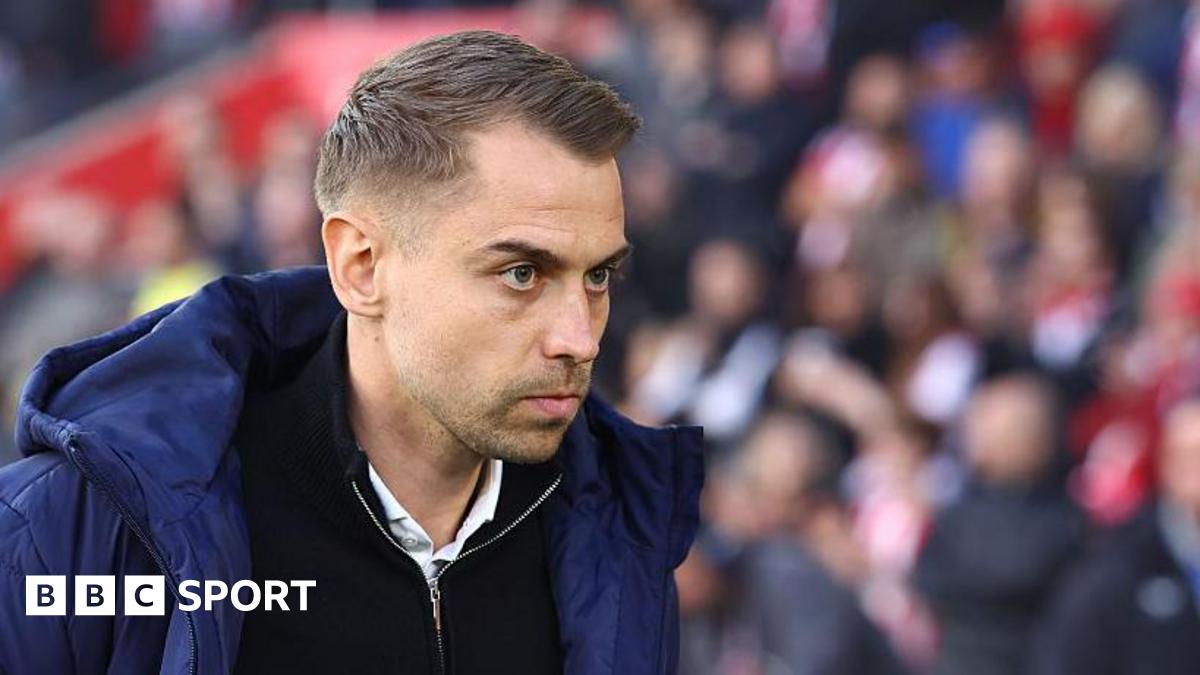
The English game has another major espionage scandal on its hands, and this time the paper trail leads directly to the manager's office. An independent disciplinary panel has officially ruled that Southampton's recent spying operations were explicitly authorized by head coach Tonda Eckert. The panel did not hold back in its written reasons, describing the operation as a "contrived and determined plan from the top down to gain a competitive advantage," while aggressively labeling the club's overall conduct as entirely deplorable.
That phrasing is the real issue here. Governing bodies typically leave themselves wiggle room when handing down verdicts, often blaming administrative errors or rogue actors within a club's hierarchy. By stating this was a top-down mandate, the independent panel has placed the crosshairs directly on Eckert. The directive came from his desk, meaning any resulting punishment is likely to hit both the club and the man in the dugout.
As someone who covers the medical realities of this sport, the intersection of fitness reporting and tactical espionage is fascinating. Managers are obsessed with medical leaks, desperate to know if a star striker's hamstring is fully healed or if a key midfielder is wearing heavy strapping in training.
When you send a spy to watch a closed session, you aren't just looking for corner routines. You are looking for limps. You want to confirm if the opposition's manager was lying in his press conference about an injury crisis. Eckert clearly felt that knowing the exact physical state of his opponents was worth risking his reputation.
The Fitness and Medical Intelligence Angle
Let's look closely at why a club goes to these extreme lengths. Modern football is won on the margins. If a manager knows that an opposing full-back is dealing with a tight calf and missed the intense portion of a Thursday session, that information is tactical gold.
The attacking strategy can immediately be altered to target that specific vulnerability. The winger is instructed to run at him relentlessly in the opening twenty minutes to test the muscle and force a substitution. Clubs spend millions on their own medical departments to keep players fit, but gaining unauthorized access to the medical reality of the opponent is the ultimate dark art.
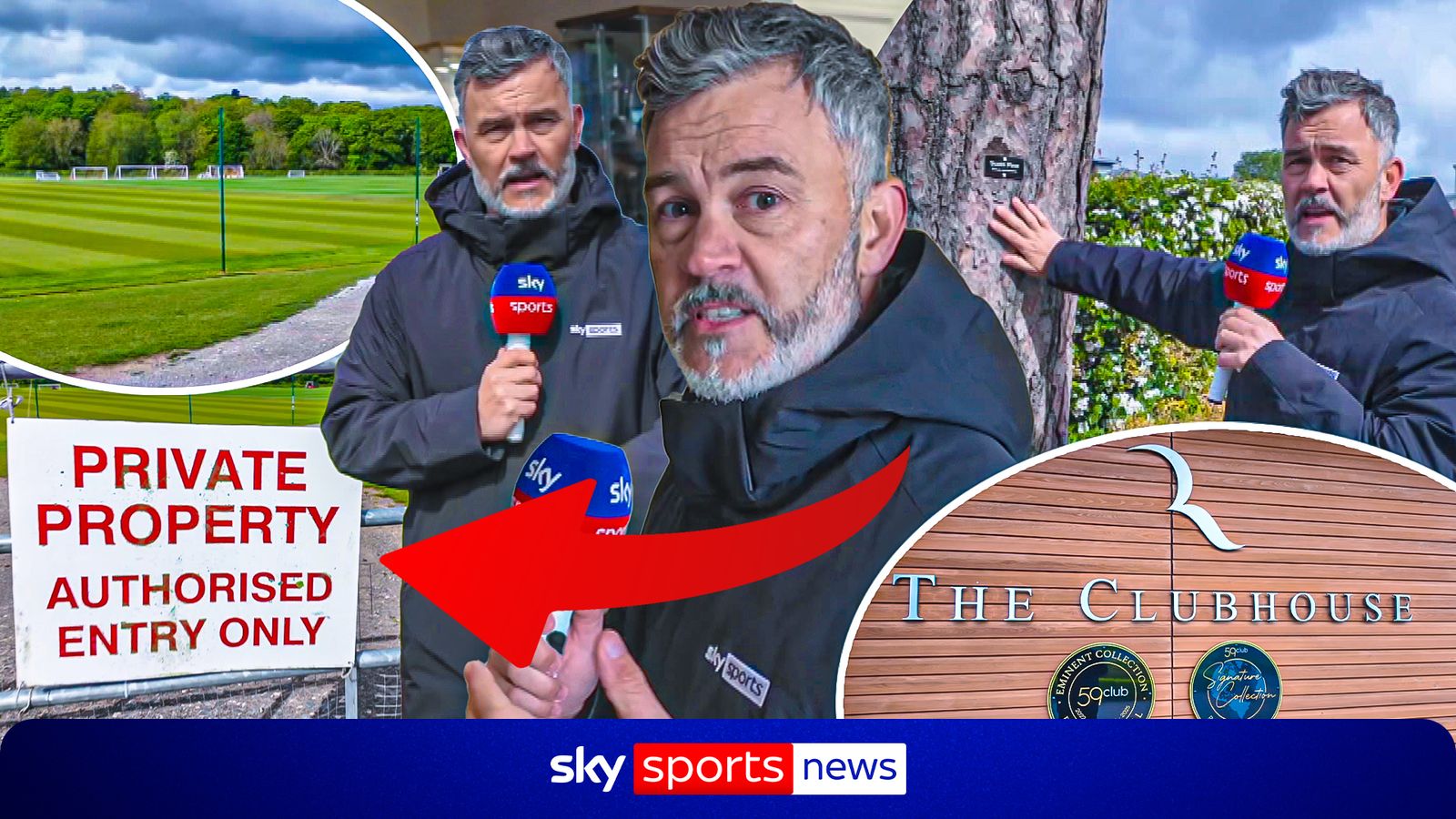
Medical secrecy is guarded fiercely across the professional game. Training grounds have massive physical screens erected specifically to block the view of public footpaths. Security guards patrol the perimeters to stop fans or local journalists from catching a glimpse of the rehabilitation group running shuttles on a side pitch.
The disciplinary panel's use of the word "contrived" suggests this was a systematic effort over time. It implies Southampton had a dedicated strategy for gathering this intelligence, possibly utilizing long-lens cameras to scout the physical condition of rivals. For Eckert to back it, he must have believed the advantage gained outweighed the massive potential sanctions.
Echoes of Bielsa and Spygate
This is not the first time we have seen a high-profile manager caught peeking over the fence. The immediate historical comparison is to Marcelo Bielsa and the infamous Spygate incident in 2019. During that Championship season, Leeds United sent an employee to observe Frank Lampard's Derby County at their training ground before a high-stakes match.
The fallout was absolutely massive and dominated the news cycle for weeks. Bielsa responded by holding a sprawling, 70-minute press conference where he openly admitted to spying on every single team in the league. He brought out PowerPoint slides to show exactly how much data his staff had compiled on opponents, turning a scandal into a bizarre tactical masterclass.
Leeds were hit with a £200,000 fine, which Bielsa famously paid out of his own pocket. The governing bodies were subsequently forced to introduce new regulations specifically outlawing the observation of opposition training sessions.
Southampton's current situation is different in tone. While Bielsa treated his espionage as exhaustive academic research, the language surrounding the Eckert ruling feels far more severe. The panel calling it "deplorable" suggests a level of malice or underhandedness that goes beyond obsessive preparation.
The Broader Impact on the Industry
This ruling will send a massive shockwave through training grounds across the country. Every manager and sporting director will be reviewing their security protocols this week. You can expect more blackout screens, tighter access controls, and perhaps even drone countermeasures at top-tier facilities.
For the competitors, there is bound to be a profound sense of grievance. Teams that played against Southampton recently will be wondering if their tactical plans were compromised. If a team lost a tight game after their heavily rehearsed set-piece routine was easily countered, they will rightly ask questions about fairness.
The integrity of the competition is the main talking point here, especially in a league where promotion and relegation are worth hundreds of millions. When a team has unauthorized access to your starting lineup and injury list forty-eight hours before kickoff, the game is no longer played on a level playing field. The financial stakes are simply too high for this to be brushed under the rug.
There is also the serious question of trust among the managerial fraternity. Managers share a strange bond; they are the only ones who truly understand the intense pressure of the job. Actively sending staff to infiltrate another manager's closed session breaks the unwritten code.
Eckert will find himself isolated as a result of this exposure. Handshakes before matches will be noticeably colder. The managerial network does not take kindly to operators who break the basic rules of professional respect.
What Happens Next
The immediate concern for Southampton is the impending punishment. The panel has established the guilt and the premeditation clearly. Now comes the sentencing phase, and the rest of the league will be watching closely.
Fines are an absolute guarantee, but there will be loud calls from rival clubs for a points deduction. If the governing body wants to truly deter this behavior, docking points is the only language owners and executives understand. A financial penalty is just a business expense for a wealthy football club, whereas losing league position affects the bottom line directly.
For Eckert, the media scrutiny is going to be incredibly intense. Every tactical decision he makes will be viewed through this cynical lens. If he correctly anticipates an opponent's shape, observers will naturally joke that he must have had someone hiding in the bushes.
His authority within his own dressing room could also take a significant hit. Players respect a manager who can outwit the opposition tactically on the training pitch. A manager who resorts to cheating to get an edge can quickly lose the dressing room's respect.
This scandal is a miserable mess for Southampton that distracts from the football and damages the brand internationally. The independent panel did not mince words here, calling it a contrived and determined plan from the top down. The club has major damage control to do in the coming days, and Eckert has to figure out how to manage a team with this massive shadow hanging over his head.
The timeline for a resolution remains tight as the governing body prepares to hand down its final sanctions. Southampton must prepare their legal defense, but fighting a panel that has already declared the conduct "deplorable" is an uphill battle. Until the final verdict is delivered, the entire club remains in a state of suspended animation, waiting to see just how high the price for this espionage will be.