The safety of the interim
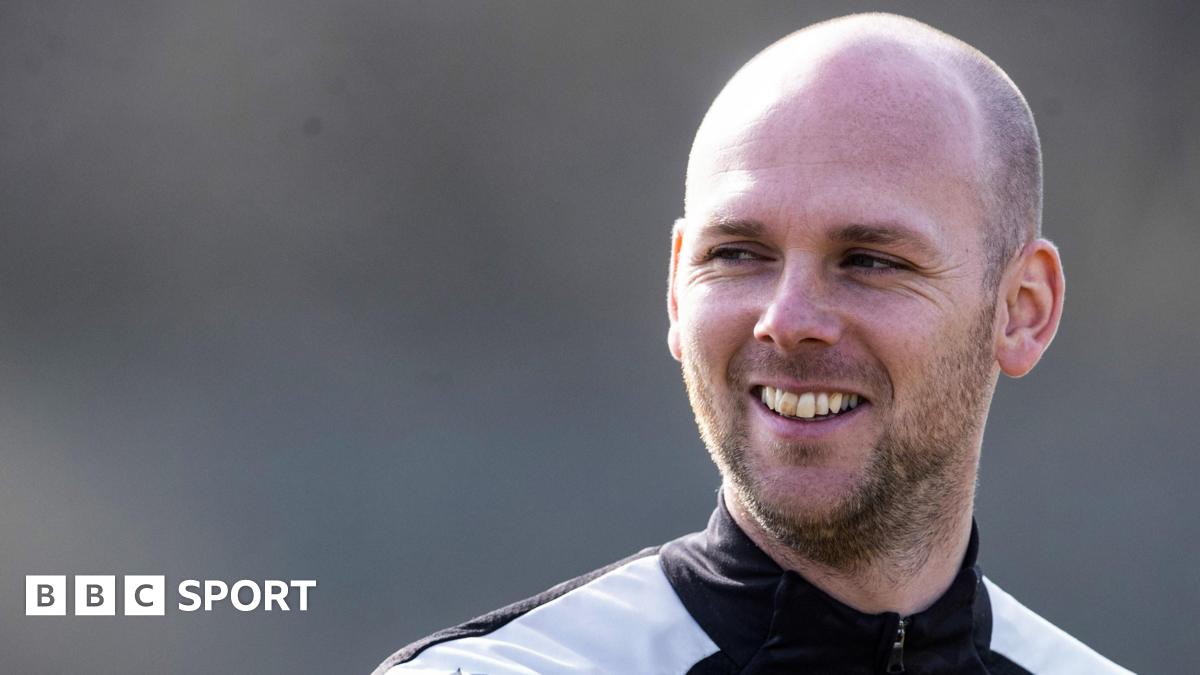
The announcement that Craig McLeish will remain in charge of St Mirren until the end of the season is precisely the kind of conservative maneuver we have come to expect from the Paisley boardroom. It is a decision rooted in the fear of the unknown. By confirming McLeish’s status now, the club has opted for the illusion of stability over the risk of a genuine tactical reset.
McLeish, formerly the Head of First Team Transition, is a figure of internal continuity. He knows the building, he knows the players, and he knows the limitations of the budget. But as we look toward the April 4 clash against Aberdeen, the question isn't whether McLeish can keep the seat warm, but whether he can actually outthink the man who built this squad.
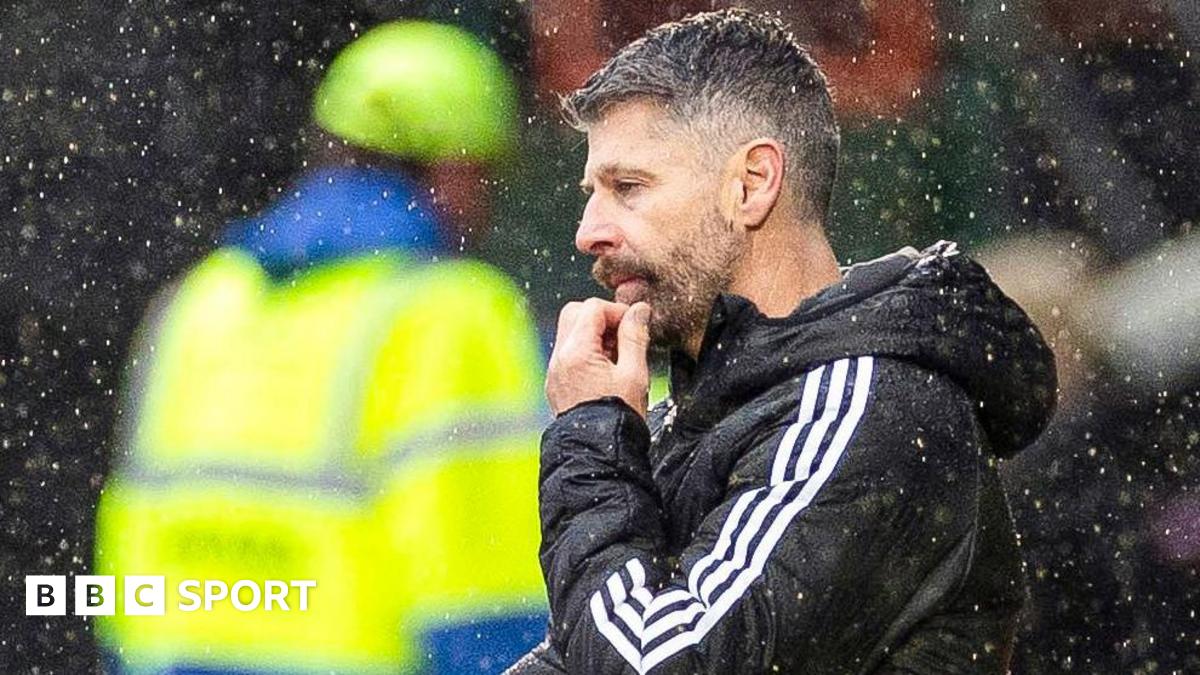
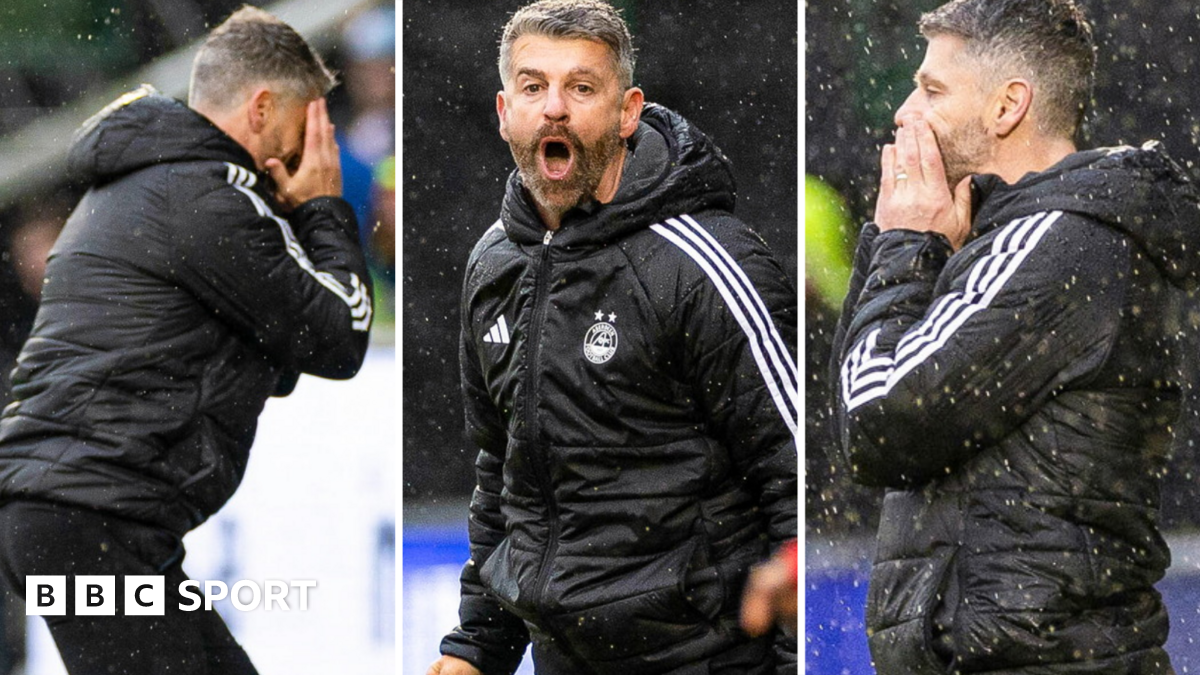
Stephen Robinson’s departure for Pittodrie earlier this month left a void that was both structural and emotional. Robinson didn’t just manage St Mirren; he engineered their identity around a high-intensity, vertical 3-4-1-2 system. Watching McLeish attempt to iterate on that blueprint over the last three matches has been a study in cautious refinement rather than revolution.
The transition geometry
In the 2-1 win over Falkirk on March 21, we saw the first real glimpses of the 'McLeish way.' It was less about the suffocating press Robinson favored and more about what McLeish calls transition geometry. St Mirren sat in a deeper 5-3-2 mid-block, deliberately ceding territory to lure Falkirk into overextending their wing-backs.
The winning goal in the 82nd minute was a perfect distillation of this. Mark O'Hara intercepted a loose pass 10 yards inside his own half and immediately looked for the diagonal release. It wasn't a hopeful hoof; it was a measured 40-yard ball into the channel that utilized Toyosi Olusanya’s horizontal movement to bypass the entire Falkirk midfield in 4 seconds.
This is where McLeish’s background as a transition specialist becomes visible. Under Robinson, the transitions were chaotic and aggressive. Under McLeish, they are becoming surgical and rhythmic. However, this deeper line comes with a cost. St Mirren’s xG against has crept up in the last three games, largely because the midfield trio is being asked to cover too much lateral ground.
The Robinson homecoming
When Aberdeen arrive at the SMiSA Stadium next Saturday, the tactical subtext will be overwhelming. Robinson knows exactly which triggers to pull. He knows that O'Hara, while brilliant in possession, can be isolated if the opposition uses a shadow-striker to block the passing lanes into Caolan Boyd-Munce.
Robinson’s Aberdeen have already adopted his signature 1-2 pressing trigger. They allow the center-back to carry the ball past the first line before collapsing three players onto the carrier. If McLeish persists with a slow build-up from the back, St Mirren will find themselves trapped in their own third within the first 15 minutes.
There is also the psychological weight of the fixture. The Paisley crowd is notoriously vocal about perceived betrayals. Robinson’s move to Aberdeen wasn't just a career step; it was a lateral raid on a direct rival's stability. The atmosphere will be poisonous, and how McLeish manages the emotional volatility of his players will be as important as any chalkboard instruction.
Tactical bottlenecks and personnel risks
The critical flaw in McLeish’s current setup is the over-reliance on the wing-backs for width. In the 1-0 loss to Rangers on March 15, the tactical bottleneck was obvious. Rangers simply pushed their wide forwards high, pinning the St Mirren wing-backs into a back five. This left the two strikers isolated, forced to feed on long, contested clearances.
McLeish must find a way to decouple his wing-backs from the defensive line during the initial phase of possession. If he doesn't, Aberdeen’s pace on the break will capitalize on the gaps left when those wing-backs eventually try to join the attack. It is a high-wire act that requires a level of positional discipline this squad hasn't always demonstrated under pressure.
Furthermore, the decision to bring in Stuart Taylor as an assistant is a double-edged sword. Taylor is a respected coach, but his arrival so late in the season suggests that the board didn't entirely trust McLeish to navigate the tactical nuances of the post-split fixtures alone. It feels like a committee-led management style, which rarely survives a bad run of form.
The Hampden shadow
Looming over everything is the Scottish Cup Semi-Final against Celtic on April 19. It is the biggest game in a generation for many of these fans, and there is a palpable risk—yes, I’ll say it, an genuine danger—that the players are already looking past the league fixtures toward Hampden.
McLeish has to prevent the Aberdeen game from becoming a mere dress rehearsal. Aberdeen are fighting for the same European spots St Mirren covet. A loss here doesn't just hurt the pride; it mathematically compromises the club’s ability to plan for the 2026/27 season. The board's 'interim' tag means McLeish is essentially on a seven-game audition, and he cannot afford to fail the first major test.
If St Mirren show the same lack of urgency in the first half as they did against Dundee United on March 3, where they failed to register a single shot on target in the first 45 minutes, the fans will turn quickly. The honeymoon period for an interim boss usually lasts about twenty minutes of the first home defeat.
The verdict for April 4
This match will be won or lost in the half-spaces between the St Mirren midfield and defense. Robinson will instruct his Aberdeen side to flood those zones, forcing the St Mirren center-backs to step out of line. If McLeish counters with a compact 5-4-1, he might scrape a point, but he won't convince anyone he's the man for the permanent job.
Expect a cagey opening. Both managers know the other's playbook too well for a frantic start. The key will be whether McLeish has the tactical courage to change his shape mid-game. If Aberdeen go a goal up, the current St Mirren system doesn't have the offensive flexibility to chase the game without leaving the back door wide open.
I expect Robinson to leave Paisley with exactly what he wants. He has the superior individual talent at Aberdeen now, and he possesses the intimate knowledge of St Mirren's defensive weaknesses. McLeish’s 'transition geometry' is a fascinating experiment, but it’s one that lacks the raw power needed to stop a Robinson-led assault.
St Mirren will find themselves punished for the board's indecision. Choosing the safe option in the dugout often leads to the most dangerous results on the pitch. The fans might be looking toward the silver of the Scottish Cup, but the reality of the league table is about to hit them with a cold, northern wind.
Prediction: St Mirren 1-2 Aberdeen
Robinson will celebrate at the final whistle, much to the fury of the home support. A late goal in the 89th minute will be the difference, likely coming from a set-piece failure—a recurring nightmare for this St Mirren side. The interim stability will start to look very shaky by Saturday evening.
Read Next
- St Mirren's board looked at the manager market and just gave up
- How Renée Slegers built Arsenal's best winning streak in a decade
- Scottish football fans are losing their minds over Off the Ball again
- Dan Barnett's warning means Hibernian's ambitious era is officially over
- ⚽ Scottish Premiership 2025-26 — Celtic vs Rangers Hub