The 43-year-old in the kit bag
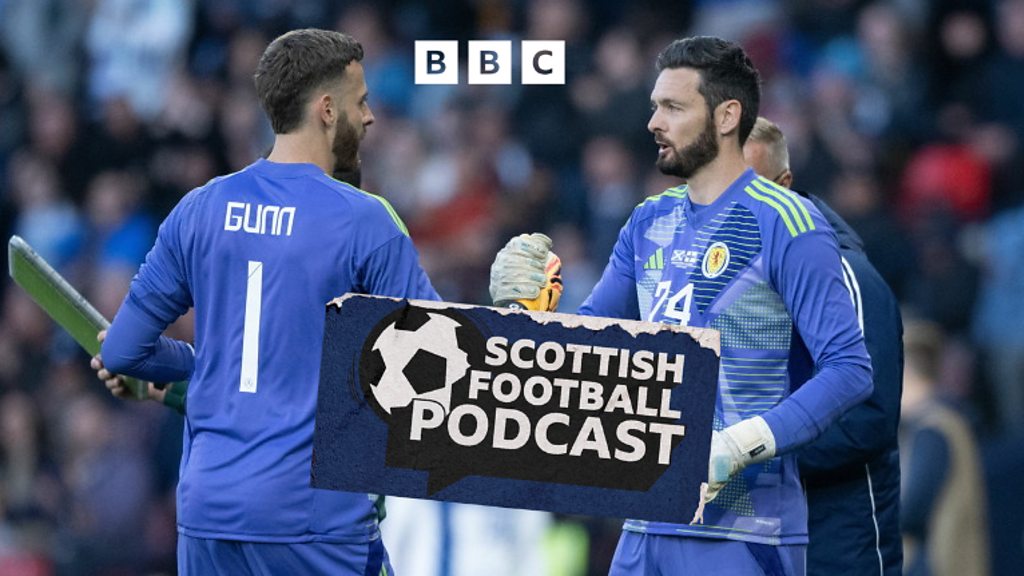
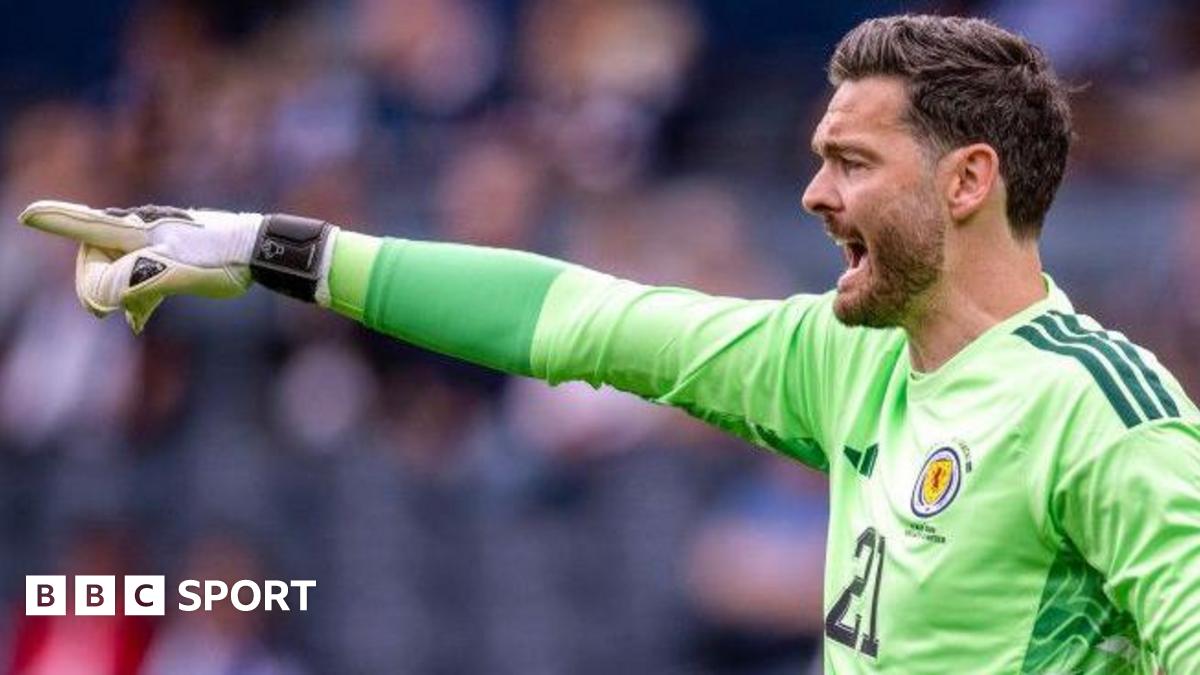
As the clock ticks toward the June 11 kickoff, national squads are finalizing their identities for the 2026 World Cup. Scotland arrives with a curious, if sentimental, feature in their ranks. Craig Gordon, at 43 years old, enters the tournament as the oldest player on any roster. It serves as a reminder to those tracking the latest Scotland squad news that longevity in the professional game requires a specific physical maintenance standard.
However, sentimentality rarely wins international matches. The decision to hand the number one jersey to Angus Gunn signals that this is not a honorary retirement trip. While Gordon remains a fixture of the dressing room, the tactical reliance on Gunn at the base of the formation suggests Clarke is prioritizing the modern requirement for a sweeper-keeper. Gunn’s distribution range and ability to operate in the high defensive line utilized during the qualification campaign are superior metrics to the veteran’s current output.
The tactical friction of the goalkeeper spot
Scotland fans often debate the merits of the transition between the old guard and the new. Gordon offers unparalleled experience during high-leverage moments, yet his mobility limitations have been noted in domestic fixtures throughout the past year. In tournament play, where the transition from attack to defense can be brutal, having a goalkeeper who cannot comfortably exit his area to clean up through balls is a liability.
Gunn brings a different statistical profile. His pass completion percentage under pressure, particularly when playing out from the back against high-pressing groups, has been a core component of how the side controls tempo. If Scotland intends to frustrate opponents in the group stage, they require a keeper who effectively acts as an eleventh outfield player. Relying on 43-year-old reflexes in an environment as fast as a World Cup group stage is a gamble Clarke was right to avoid.
Why this squad structure creates ripples
There is a risk in carrying an elder statesman who isn't expected to start. It relies heavily on squad harmony. If the group faces a difficult result in the opening game, the presence of a senior figure who wasn't on the pitch is often a double-edged sword. It can provide needed leadership, or it can exacerbate questions about the manager's commitment to the best available starting XI.
Clarke has opted for internal stability over total youth. While defenders of the decision point to the morale boost Gordon provides, the reality of the 2026 World Cup is that every substitute and rotation option must be prepared to contribute at a moment's notice. Carrying a backup goalkeeper who, by consensus, is not the first selection for the starting role, is a luxury that only a tight-knit squad can afford.
I expect Gunn to hold the position throughout the group phase. If he falters, the narrative will immediately shift back to the keeper sitting on the bench. Scotland enters this tournament with a clear No 1 shirt, but the goalkeeper position is rarely a settled matter when a legend is waiting in the wings. It sets up an uncomfortable background tension for the entire tournament duration.
Read Next
- Steve Clarke's goalkeeping headache looms large before the World Cup
- Southampton are setting themselves up for a total collapse next season
- Why Coventry City’s promotion duo is the ultimate underdog blueprint
- Unai Emery is playing a dangerous game with Villa's squad depth
- 🏴 Scotland World Cup 2026 — Tartan Army Hub
- 🇧🇷 WC 2026 Group C — Brazil, Morocco, Scotland, Haiti