
World Cup 2026 is already fighting its own scheduling demons
Thunderstorms and bureaucracy threaten the opening week
With just nine days remaining until the 2026 World Cup kicks off, the tournament narrative is drifting away from tactical innovation and toward logistical fragility. The prospect of severe thunderstorms across United States host cities presents a headache that FIFA seems ill-equipped to solve. Officials have signaled that games will not be abandoned, only delayed, potentially pushing matches deep into the night or forcing massive fixture congestion.
For teams like England, who are scheduled to meet Ghana and Panama in regions prone to sudden weather ruptures, this is a nightmare. A weather-induced delay of even three hours shatters the biological clocks and nutritional windows that professional squads hold sacred. FIFA’s insistence on completing matches at all costs is less about the integrity of the sport and more about protecting broadcast windows that generate billions.
Mexico’s failure to contain the terraces
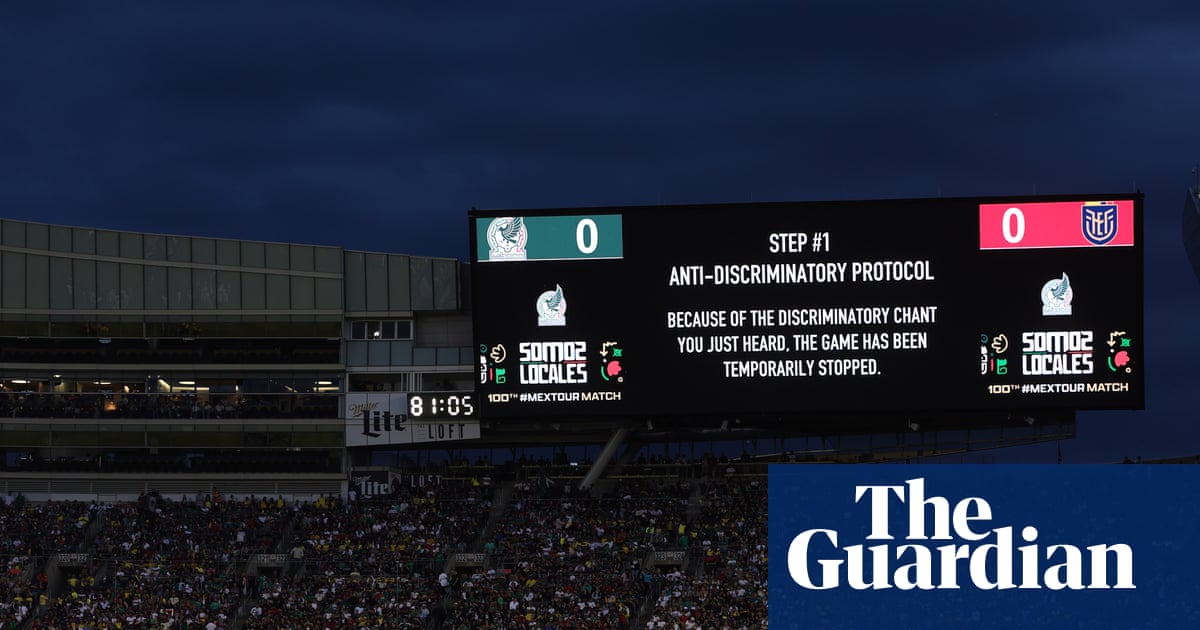
While the atmosphere in North America is generally one of anticipation, the situation inside the Mexican Football Federation (FMF) is spiraling. As reported today, the FMF officially lost its latest appeal against FIFA fines related to discriminatory fan chants. This represents a decade-long failure to police its own fanbase effectively.
The internal contradiction is stark. Mexico is one of the primary hosts for this tournament, with the opener slated for the iconic Azteca, yet they cannot seem to manage the behavior of the very people flocking to these stadiums. Public awareness campaigns have served as thin cover for a systemic issue that continues to drain the Federation's coffers. It is a grim reminder that regardless of the tactical game plans assembled by staff, the sport is often at the mercy of supporters who refuse to evolve.
The collision of corporate greed and environmental reality
We are watching two distinct styles of administrative failure manifest concurrently. In the United States, the refusal to build weather contingencies into the schedule reflects an obsession with maximizing convenience over athlete welfare. In Mexico, the repeated fines indicate an inability to control the cultural climate surrounding their team.
These are not minor footnotes; they are structural weaknesses. Weather delays will affect pitch quality and player recovery, while the recurring tension between FIFA and the Mexican federation sets a sour tone for the tournament opener. When the whistle blows in 9 days, fans will be focused on the pitch, but the architects of this tournament will be nervously watching the sky and the stands.
History tells us that tournaments are won on grit and tactical clarity, yet the 2026 edition is already looking like a test of crisis management. If FIFA’s commitment to the schedule remains absolute, we should expect a chaotic first week where the biggest winners might just be those with the most patience. The total fines leveled against Mexico serve as a constant reminder that for all the growth in the sport, certain baselines are still frequently ignored.
It is difficult to view these developments as anything other than a slow-motion collision. Whether it is the inevitable summer storms in the American South or the ingrained, ugly habits of a segment of the Mexican support, the tournament has arrived with existing scars. Preparation has been professional, yet the edge of the blade is dulled by bureaucracy and poor planning. We are left with the reality that the game itself is only one part of the equation.
Read Next
- Mexico's World Cup preparations are being overshadowed by recurring conduct fines
- England’s squad numbers hint at Southgate’s tactical plans
- Iraq's return to the World Cup is worth far more than a participation trophy
- England in Florida: The Final Warmup Before The Big Crash
- 🏆 World Cup 2026 — Full Coverage Hub
- 🇲🇽 Mexico World Cup 2026 — El Tri Hub
Adidas Tiro League Soccer Ball
The perfect match-day ball for high-intensity training.
Frequently Asked Questions
How will FIFA handle severe weather during the 2026 World Cup?
Why are weather-induced delays a concern for teams like England?
What is the status of the Mexican Football Federation regarding stadium conduct?
What is the primary motivation behind FIFA's match scheduling policy?
What logistical challenges are identified for the 2026 tournament host cities?
More Coverage

Tuchel's England Experiment is Missing a Defensive Anchor
36 minutes ago
Steve Clarke's gambit: Why Craig Gordon is the ultimate luxury
an hour ago
Mexico's World Cup preparations are being overshadowed by recurring conduct fines
an hour ago
Southampton are setting themselves up for a total collapse next season
2 hours ago
June 2026: Top 10 Fixtures to Watch Before the World Cup
2 hours agoSteve Clarke is running out of excuses for Scotland
3 hours agoMore Analysis
Tuchel's England Experiment is Missing a Defensive Anchor
36 minutes ago
Justin Devenny's post-season hustle is a rare breed
36 minutes ago
Wales and Ghana are playing a match that literally nobody asked for
46 minutes ago
Medical update: The high cost of the Old Firm melee
46 minutes agoKieran McKenna is a massive gamble for a post-Silva Fulham
47 minutes ago