The metrics behind the surprise contenders
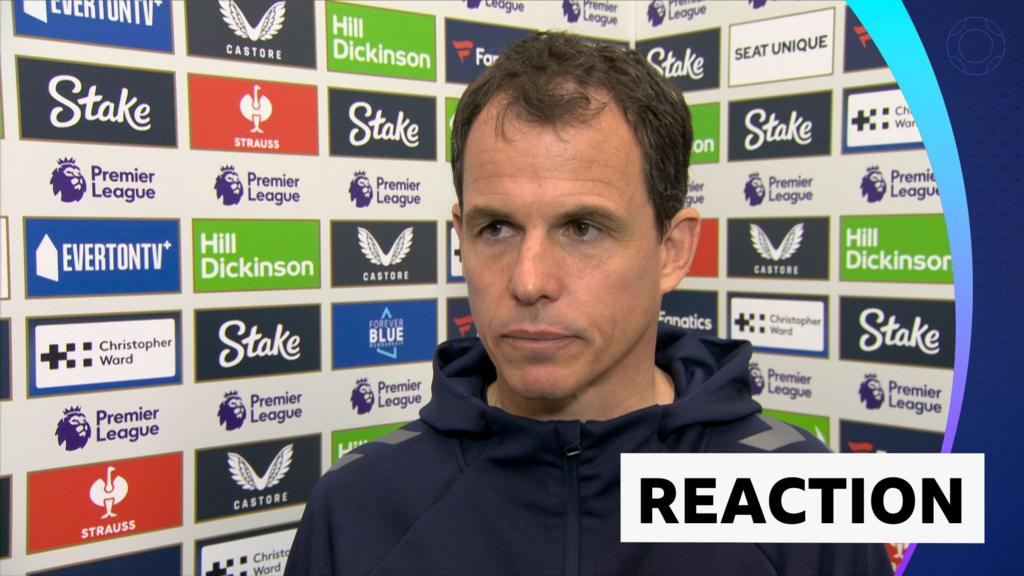
Sunderland and Bournemouth currently control a narrative that defies most pre-season betting models. Regis Le Bris has secured a nomination for Premier League Manager of the Season, a reflection of how his tactical adjustments stabilized a side many expected to struggle for survival. His recognition stems from a defensive restructure that lowered the team's goals-conceded frequency by a significant margin compared to last campaign.
Bournemouth has mirrored this efficiency on the attacking front. Andoni Iraola’s nomination for managerial honors accompanies Yann Karamoh Kroupi Jr’s inclusion in the shortlist for end-of-season awards. These are not merely sentimental nods from the league; the data suggests these teams have maximized their xG output while keeping tight control on transitions.
The Kroupi Jr factor
The rise of Yann Karamoh Kroupi Jr serves as the engine for Bournemouth's late-season push. Since joining the squad permanently, his goal-contribution rate per 90 minutes has hovered near elite levels, justifying the heavy investment reported by the club's transfer committee. As Sky Sports reported in recent updates, Bournemouth’s leadership remains committed to holding their core talent despite inevitable interest from top-six clubs.
However, the reliance on a single high-output player creates a tactical vulnerability. Bournemouth’s heavy reliance on Kroupi to break deadlocks in the attacking third is a doubling down on a 34% win rate in games where he records either a goal or an assist. Should form dip or injury occur, the drop-off in creative volume is substantial enough to warrant skepticism about their ability to maintain this pace over an entire season.
Managerial risk versus reward
Regis Le Bris has faced criticism for a conservative approach in high-stakes road fixtures, particularly his decision to park the bus in narrow wins where his side held less than 40% possession. While the results vindicate the strategy, the underlying shot-conceded metrics suggest they were fortunate not to drop points against bottom-half opponents. As noted in Sunderland's recent briefing, the team’s inability to close out matches with dominant possession often invited unnecessary late pressure.
Compare this to the league’s top tier, where sustainability is built on controlling the ball. Sunderland’s 1.2 expected goals against per match is admirable, yet their conversion rate on fast breaks remains unsustainable long-term. They are punching above their weight, but they are doing so with a razor-thin margin for error.
The statistical reality of the table
- Bournemouth win rate with Kroupi goal/assist: 34%
- Sunderland goals conceded per match: 1.2
- Average possession in Sunderland road wins: Under 40%
- Total manager award nominations across both clubs: 2
The numbers indicate that both clubs have found a system that clicks, but the sustainability of these results is arguably their biggest hurdle. Bournemouth’s reliance on Kroupi is a classic 'dependency trap,' and Sunderland’s tactical rigidity on the road could lead to a correction in expected points in the coming months.
As Bournemouth's latest coverage indicates, the board's willingness to re-invest this summer will be the final test of their ambition. Maintaining a European spot requires more than just smart tactical pivots; it requires deep-bench stability. These teams perform, but the data suggests they are running hot.
Read Next
- Manchester United fans are spiraling over 2026 kit and transfer rumors
- Andoni Iraola is doing the impossible on the south coast
- Chelsea are gambling their future on the Xabi Alonso project
- Wembley's Unhappy Final: Man City's Treble March Meets Chelsea's Civil War
- 🏟 EFL Championship 2025-26 — Promotion Race & Play-Off Final Hub