The Illusion of Invincibility
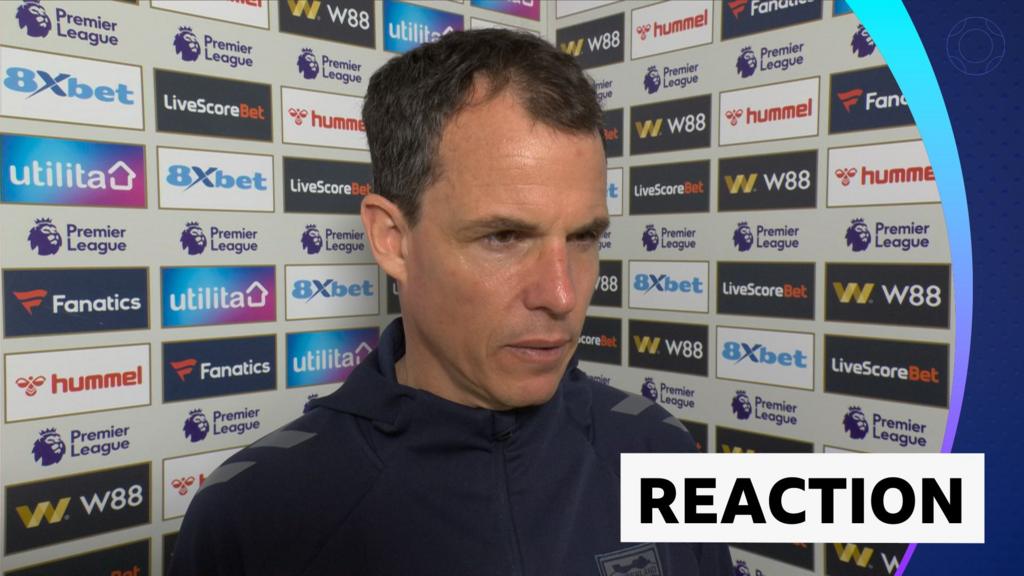
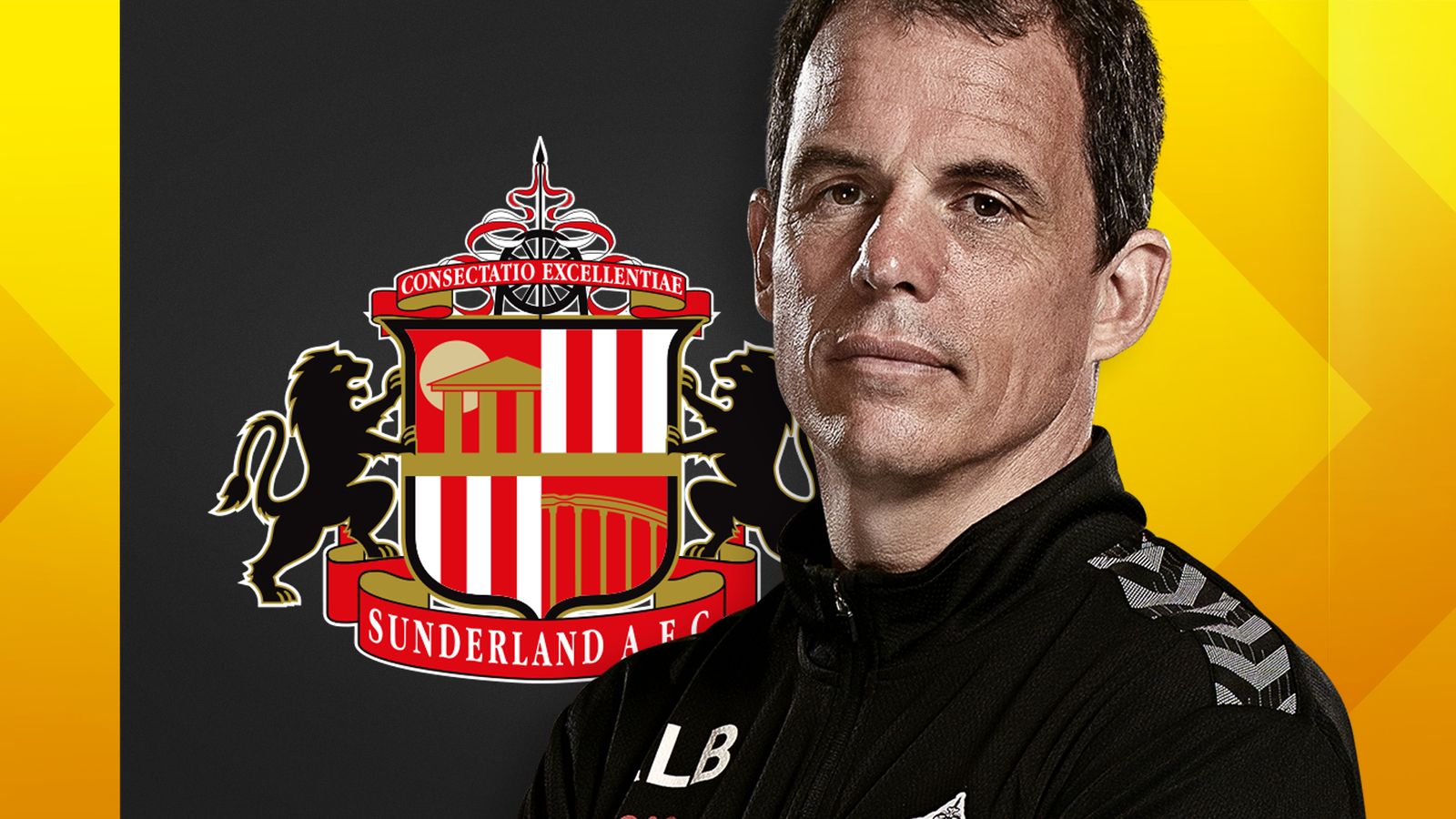
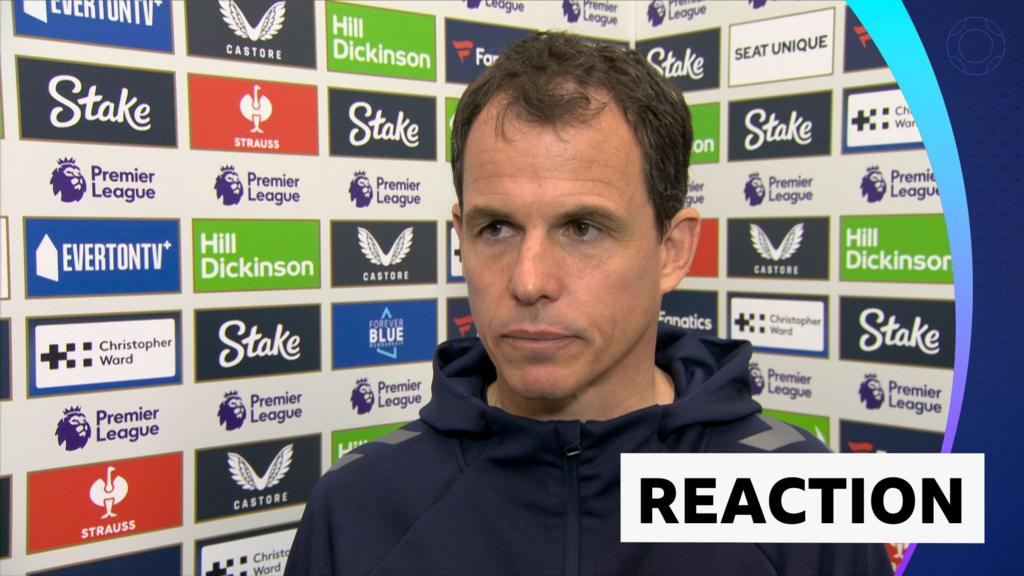
Regis Le Bris stood in the post-match press conference at the Hill Dickinson Stadium and called it the story of the season. He was smiling. He probably shouldn't have been.
Sunderland had just beaten Everton. They did it the hard way, again. They surrendered the initiative, looked defensively fragile, and then rallied with a display of raw, unfiltered aggression. Le Bris praised his team's "power and strength" in producing yet another comeback win in the Premier League.
It makes for great television. It makes for terrible long-term strategy.
As Sunderland prepare for their upcoming fixture, the narrative surrounding them is dangerously romanticized. Everyone loves a comeback. Fans adore the late surges, the frantic touchline celebrations, the sheer bloody-mindedness required to drag three points from the jaws of defeat. It creates a powerful illusion of resilience.
But relying on comebacks is a symptom of a deeper illness. If you are constantly recovering, it means you are constantly failing the initial tactical test.
The Midfield Void
Sunderland's structural flaws are glaring. You could see it within the first twenty minutes against Everton. The midfield pivot is routinely bypassed during defensive transitions. When they push high, the gap between the center-backs and the central midfielders becomes a massive, exploitable void. Everton, a team hardly known for intricate passing webs, repeatedly found joy playing simple vertical balls into that pocket.
This is the Le Bris paradox. He wants his team to press high and dominate the ball. But his defensive line often drops too early, fearful of balls played in behind.
The result is a stretched formation. The pressing unit is disjointed from the defensive unit. Smart opponents don't even need to outplay them; they just wait for the inevitable turnover and strike the space left behind.
Sunderland's recovery against Everton masked these issues. They won because they simply overwhelmed a fragile Everton side physically. The "power and strength" Le Bris highlighted is entirely real. When this Sunderland team clicks into desperation mode, they play with a furious tempo that lesser teams simply cannot handle.
They start winning second balls. They force turnovers high up the pitch. The wingers stop worrying about tracking back and just pin their opposing fullbacks deep. It becomes a sheer barrage of chaotic energy. The opposition is pinned inside their own penalty area, frantically clearing crosses and blocking shots.
But chaos is not a tactic. Chaos is a roll of the dice.
Game State Mismanagement
Consider the mechanics of their build-up play. Sunderland insist on playing out from the back, a noble pursuit in theory. But under severe pressure, their passing networks become remarkably predictable. The goalkeeper looks for the split center-backs, who inevitably funnel the ball out to the touchline. This is exactly where the trap is sprung. Opposing teams know that if they aggressively press the Sunderland fullbacks, they can force turnovers in highly dangerous areas.
When that turnover happens, the structural collapse is immediate. Because the central midfielders have pushed high to offer progressive passing options, the center of the pitch is entirely vacant. It is a red carpet rolled out straight to the edge of their own penalty area. Against Everton, we saw this happen three times in the first half alone. Only a combination of poor finishing and desperate last-man defending kept the scoreline respectable before the break.
You cannot rely on last-man defending in the Premier League. It is a high-wire act without a net. Eventually, you slip.
Furthermore, Le Bris’s substitutions, while effective in turning games around, often exacerbate the structural chaos. When chasing a game, he routinely sacrifices a holding midfielder for an extra attacker. The shape morphs into an amorphous 4-1-5. It overwhelms the opposition box, yes, but it completely abandons the middle of the pitch. If the initial attacking wave breaks down, the counter-attack is instantaneous and deadly.
This brings us to the core issue of game state management. Sunderland do not know how to manage a neutral game state. When the match starts at 0-0, they look tentative, unsure whether to commit to their aggressive pressing or sit back and maintain their shape. It is only when they go a goal down that the hesitation vanishes. The deficit removes the tactical burden and replaces it with pure urgency.
But urgency is exhausting. The mental toll of constantly having to dig yourselves out of a hole is immense. The Premier League schedule is unforgiving, and the physical demands of playing this heavy-metal, recovery-based football will eventually catch up with them. We are entering the stage of the season where tired minds make tired decisions.
The Inevitable Crash
Heading into their next fixture, this unsustainable approach faces a severe stress test. You cannot consistently spot Premier League opposition a goal and expect to survive. The top teams do not panic when Sunderland shift into high gear. They sit deep, absorb the pressure, and brutally exploit the massive gaps left on the counter-attack.
Look at the underlying numbers over the last month. Sunderland are conceding high-quality chances in the opening thirty minutes at an alarming rate. Their expected goals against in the first half is practically relegation material. They are surviving purely on late-game adrenaline and isolated moments of individual brilliance.
There is a stark naivety in Le Bris's setup. He refuses to compromise his aggressive attacking shape, even when the opponent clearly has the personnel to punish it. Both fullbacks are instructed to overlap simultaneously. This leaves the two center-backs completely isolated against fast transitions. It is tactical suicide disguised as bravery.
Le Bris called the Everton win the story of their season. He was absolutely right, but perhaps for the wrong reasons. The real story of their season is a fundamental failure to control football matches from the opening whistle.
"...the story of the season."
That quote should be a warning, not a celebration. A season built on comebacks is a season built on a foundation of sand. Le Bris needs to fix the midfield spacing immediately. He needs to demand better starting positions from his holding midfielders. If they turn over possession in the middle third, the counter-press must be immediate and cohesive. Right now, it is horribly disjointed. One player presses, three drop back. The opponent simply passes around the lone presser and attacks the retreating backline.
As they prepare for the weekend, the stakes are immense. A win solidifies their standing and validates the manager's risky philosophy. A loss exposes the entire operation as a fragile house of cards. The momentum they have built could vanish in an instant.
They cannot afford another slow start. They cannot afford to give away the midfield without a fight. The opposition will have watched the Everton tape meticulously. They will know exactly where the space is. They will target the channels between the advancing fullbacks and the isolated center-backs. They will invite Sunderland to press, confidently bypass the first line, and run riot in the transition.
My prediction for the weekend? The comeback magic finally runs dry. Sunderland will concede early, pushed back by a team that actually knows how to hold a lead. They will throw bodies forward in the second half, the stadium will roar, but they will be caught on the counter in the 78th minute to kill the game off for good.
The chaos machine will finally break down. Expect a blunt 2-0 defeat, and a harsh reality check for Regis Le Bris.
Read Next
- Everton are sleepwalking toward disaster after the Sunderland collapse
- Adam Wharton's rare goal hides a glaring tactical problem for Crystal Palace
- Gary Neville is fuming but the numbers behind Mo Salah's outburst are damning
- Wolves' European Dream Hinges On Solving The Fulham Puzzle
- 🏟 EFL Championship 2025-26 — Promotion Race & Play-Off Final Hub