The Incident at Molineux
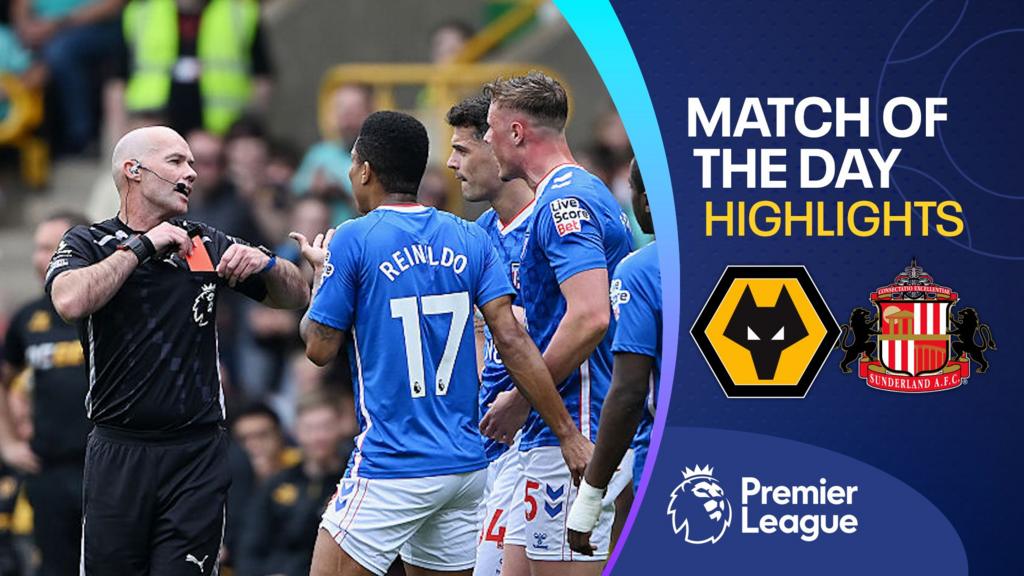
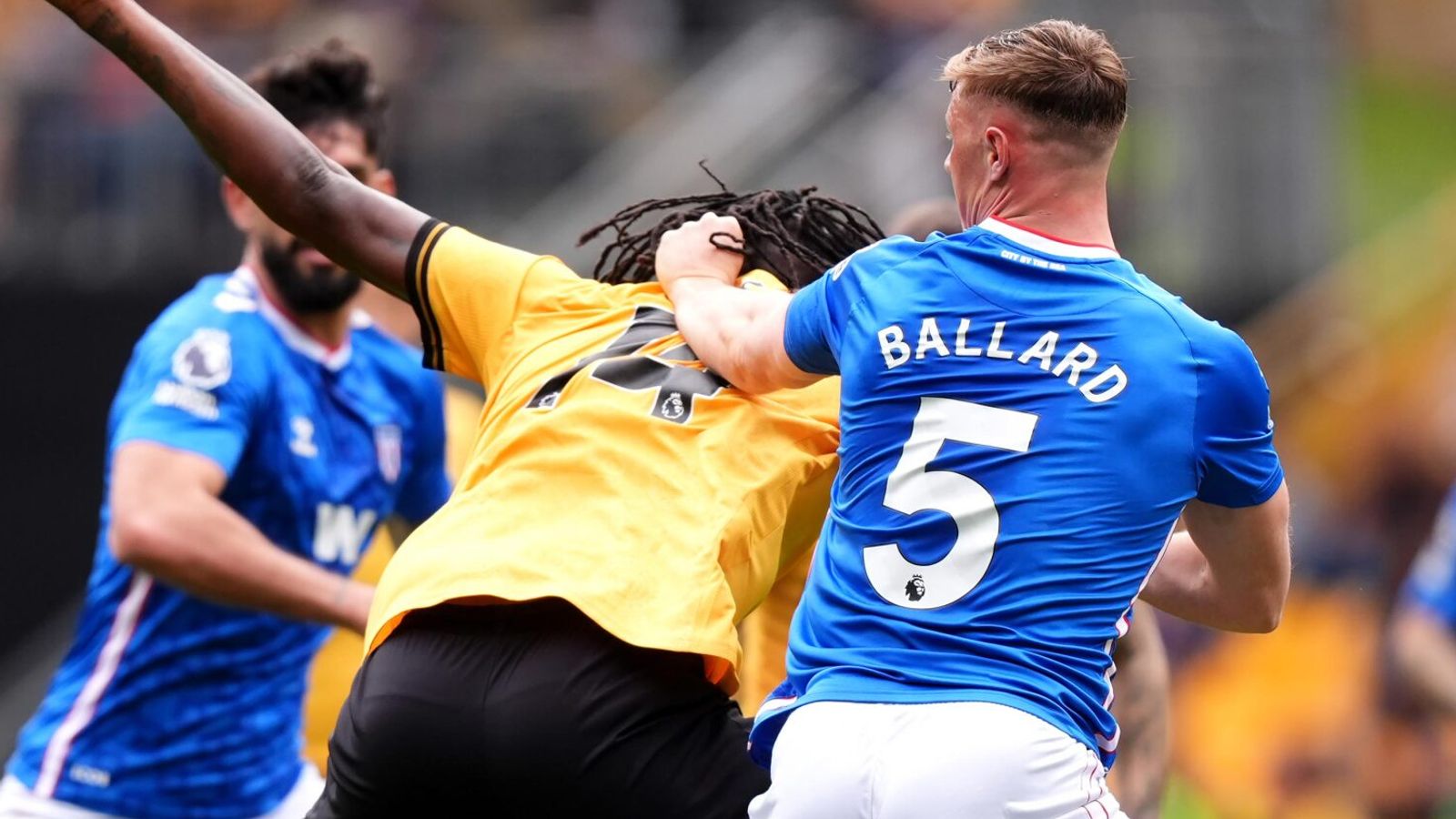
Dan Ballard will miss Sunderland’s next three domestic fixtures following his straight red card against Wolverhampton Wanderers. Refereeing officials confirmed the dismissal for a hair-pulling incident, an act categorized under violent conduct. The decision changed the tactical complexion of the match immediately, forcing Sunderland to sit deep for the final 30 minutes of the contest.
Sunderland managed to scrap a draw despite being reduced to ten men. Their structural discipline held firm, largely due to the work of the midfield pivots, but the loss of Ballard creates a gaping hole in the backline for the run-in. With the Sky Sports report confirming that the decision was based on a direct intervention by officials, the club has little room to appeal.
Tactical Fallout and Squad Depth
The immediate consequence is a total rework of the starting defensive pairing. Sunderland’s manager now faces a problem of personnel balance; moving a fullback into a central position to compensate for Ballard creates vulnerabilities on the flank. This mid-game adjustment against Wolves was messy and reactive, highlighting a lack of composure when the defensive unit loses its anchor.
History suggests that teams relying on a rigid core struggle when forced to rotate late in a campaign. Sunderland has functioned this season on the assumption of defensive consistency, a theme discussed extensively during their coverage of Ipswich Town's recent surge. When the pillars of the defense are removed, the system tends to fray under the pressure of mid-table opponents who thrive on chaos.
The Suspension Math
Ballard’s timeline for return is dictated by the standard three-match ban protocol. He will be sidelined until the final stretch of the fixtures, meaning the coaching staff has exactly 72 hours to integrate a replacement before the next ball is kicked officially. The error in judgment at Molineux is a failure of discipline that the squad can ill afford at this stage of the schedule.
Opposition managers will target this gap in the middle. Expect high-pressing teams to force turnovers near the location where Ballard usually operates, testing the composure of his replacement. If the recruitment team failed to secure depth in January, the next few matches will expose a lack of foresight during the winter window.
Strategic Implications
This incident is not an outlier. Discipline has been a recurring issue for this squad throughout the current campaign, as evidenced by consistent rank-and-file errors that lead to bookings. A reliance on physical confrontation has often served as a mask for technical deficiencies in possession. When that physicality crosses the line into disciplinary sanctions, the façade breaks down completely.
The club must now manage this three-match stretch without their most aggressive defensive leader. If they accumulate more dropped points, the questions surrounding the manager's ability to coach discipline will grow louder. Managing the egos in the dressing room while benching a starter due to an avoidable disciplinary lapse is a delicate balancing act.
Looking at the broader domestic picture, the intensity of this season has caught many squads by surprise. Players are fatigued, leading to poor tactical decisions and rash movements. Ballard’s hair pull was symptomatic of a team feeling the weight of the season, but such lapses are unforgivable in a competition where every point gained is 1 point closer to safety or promotion. The margin for error has evaporated.
There is also the concern of conditioning. Fatigue often manifests as irritability. If the training staff has not adjusted the workload to account for the current injury-prone environment, more cards and injuries are inevitable. Monitoring the rotation for the next seven days is vital for any analyst looking at the outcome of this campaign.
The lack of a contingency plan for the central defensive core remains a glaring oversight. While some might suggest that the system should be fluid enough to withstand a single-player absence, the reality of top-level football is far harsher. A system is only as strong as the weakest individual tasked with executing it on a Saturday afternoon.
Expect the manager to experiment with a back-three to mitigate the loss in aerial duels. This shift changes the distribution patterns, forcing the team to play vertically rather than building from the back with the same level of comfort they enjoyed earlier this winter. It is a desperate measure for a desperate time.
Read Next
- Three hair-pulling red cards in one season is peak Premier League absurdity
- How Sunderland survive the tactical fallout of Dan Ballard's Molineux meltdown
- Wolves vs Sunderland: Pre-Match Team News Creates Tactical Headaches
- Arsenal Just Battered Fulham. Are We Allowed to Believe Yet?
- 🏟 EFL Championship 2025-26 — Promotion Race & Play-Off Final Hub