The anatomy of self-sabotage
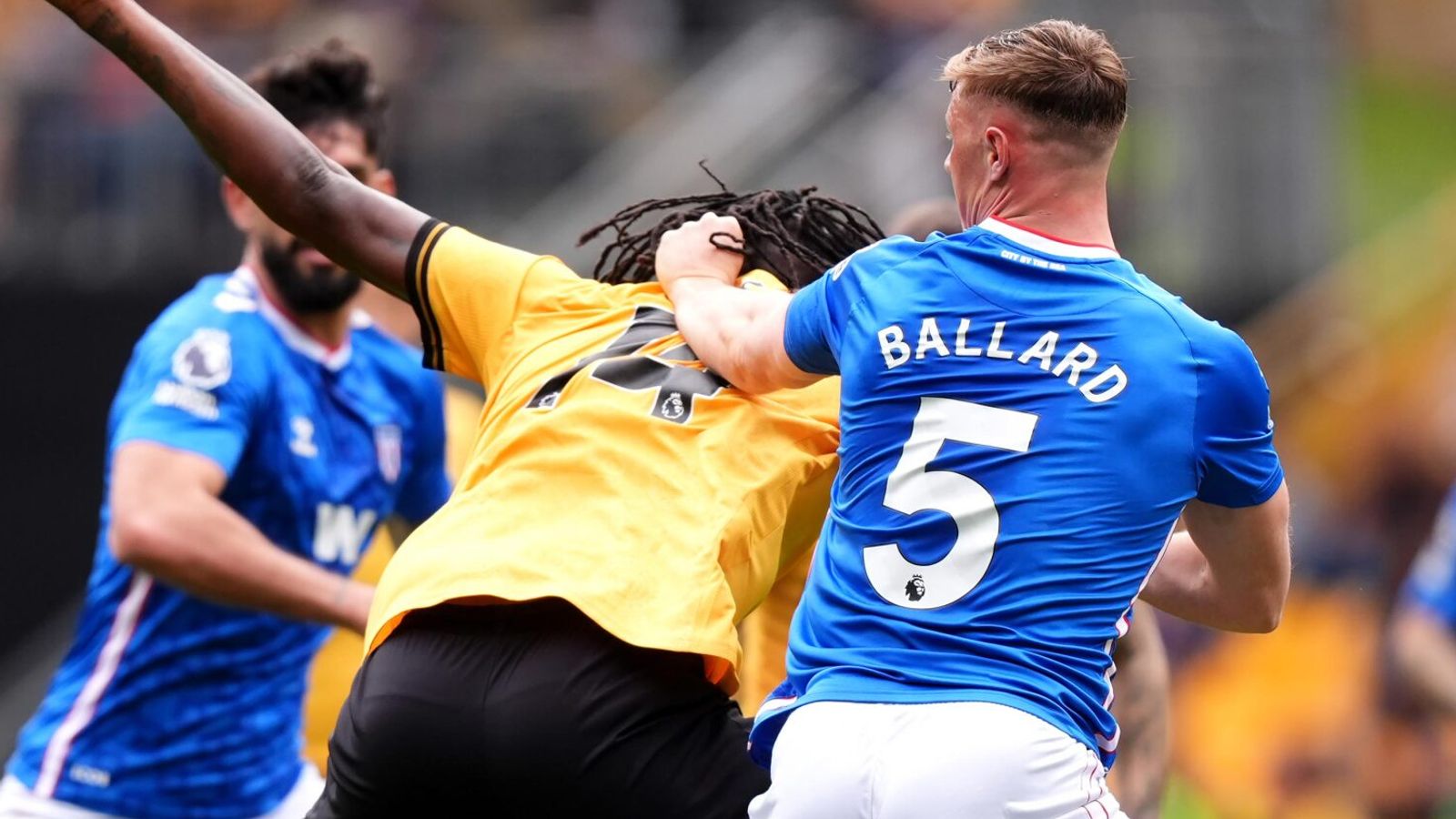
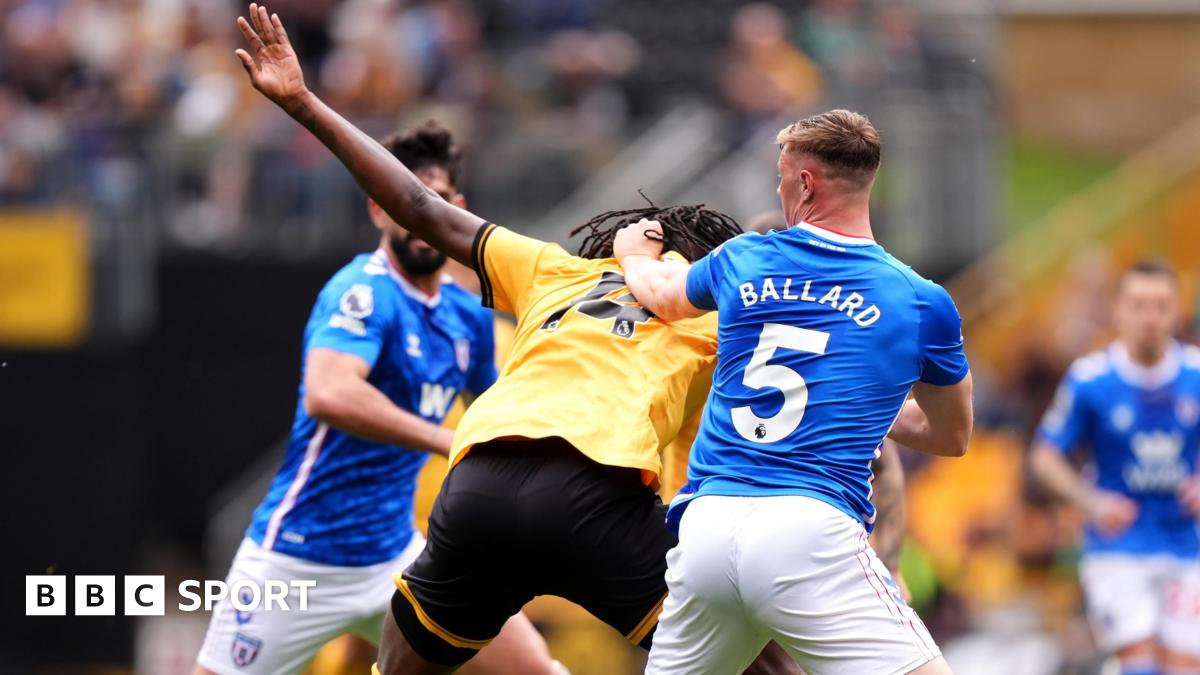
There are tactical errors, and then there are moments of pure, unadulterated self-sabotage. At Molineux, Sunderland’s structural integrity was shattered not by an intricate Wolverhampton Wanderers passing sequence, but by a moment of staggering petulance. Dan Ballard was dismissed in the first half for pulling an opponent's hair. It is a sentence that feels absurd to type, let alone analyze.
In the modern Premier League, losing a center-back before the interval is functionally a death sentence for your gameplan. But to lose your defensive anchor for an offense that belongs in a playground brawl rather than a top-flight survival scrap is a dereliction of professional duty.
As Sunderland prepare for their next massive fixture this weekend, the tactical fallout from this single moment dictates everything. You can spend all week drilling defensive shape, pressing triggers, and transition patterns. None of it matters when your primary center-half gets a straight red for something completely detached from making a football play.
The geometry of playing with ten men
Sunderland’s entire out-of-possession structure hinges on Ballard’s aggression. He is the proactive trigger in their defensive line. When the opposition attempts to play through the central channels, Ballard is the defender tasked with jumping out of the shape to disrupt the receiver. He regularly engages attackers ten yards inside the opposition half, suffocating the play before it can develop.
Without him, Sunderland revert to a passive, fearful low-block side. They lose their bite.
At Molineux, the immediate tactical shift was grimly predictable. The remaining defenders collapsed into a rigid, flat back four. The midfield pivot, suddenly stripped of their defensive safety net, dropped five yards deeper to compensate. Sunderland surrendered the initiative entirely, inviting wave after wave of Wolves pressure. The gap between the defense and the midfield widened into a chasm.
Wolves did not even have to work hard to exploit the numerical advantage. They simply pinned Sunderland’s wing-backs deep, created a box midfield to dominate the central zones, and waited for the inevitable exhaustion to set in. They manipulated the half-spaces and let Sunderland’s depleted side chase shadows until their legs gave out.
A collapsing passing network
The statistical drop-off was immediate and alarming. Look at the pass completion maps from the first half at Molineux before the red card. Sunderland were successfully bypassing the Wolves press by using Ballard as the release valve.
He was acting as the primary deep playmaker, frequently stepping out of the defensive line to draw a pressing forward before slipping the ball into the half-spaces. That single action is the linchpin of Sunderland’s attacking phase. It is how they pull the opposition midfield out of shape.
When the red card was shown, that passing network vanished instantly. The chalkboard for the second half shows a gaping void where Ballard usually operates. The center-backs who remained completed zero progressive passes into the final third. Not a single line-breaking pass was executed from the backline after the 40th minute.
The passing network breakdown also impacted their transitional threat. Without Ballard initiating the counter-attacks from deep, the wingers were forced to receive the ball with their backs to goal, surrounded by Wolves midfielders. This isolation meant Sunderland could not sustain attacks, leading to immediate turnovers. The pressure became relentless. When you cannot keep the ball for more than three passes, your defense is eventually going to crack under the sheer volume of opposition entries into the penalty area.
The bizarre rise of violent panic
What makes Ballard’s dismissal even more infuriating for his manager is that he is merely part of a larger, baffling phenomenon. As The Mirror's report points out, he is the latest Premier League player to be sent off for pulling hair.
It is worth dissecting why this specific offense is suddenly plaguing the division. We are in an era of ultra-athletic, transitional football. Defensive lines are pushed dangerously high to compress the pitch. When that line is breached, defenders are left engaged in desperate footraces with forwards who possess Olympic-level sprinting speed.
The old tactical foul—a quick tug of the shirt or an ankle tap—is becoming harder to execute purely because defenders cannot get close enough to grab the fabric. Desperation takes over. A hand reaches out in a panic, misses the shoulder, and grabs whatever it can. It is an instinctive, ugly reaction born entirely of being beaten for pace.
But intent does not mitigate the offense. The VAR protocols mean these incidents are no longer missed in the chaotic churn of a match. It is an automatic straight red for violent conduct. There is no subjective debate. Ballard gave the officials the easiest call they will make all season, leaving his teammates to suffer the consequences.
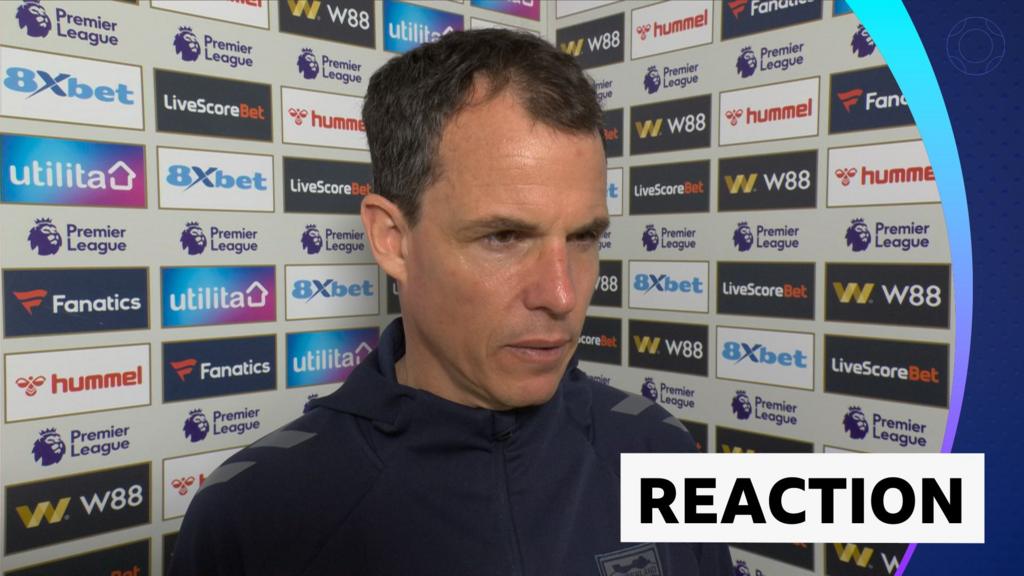
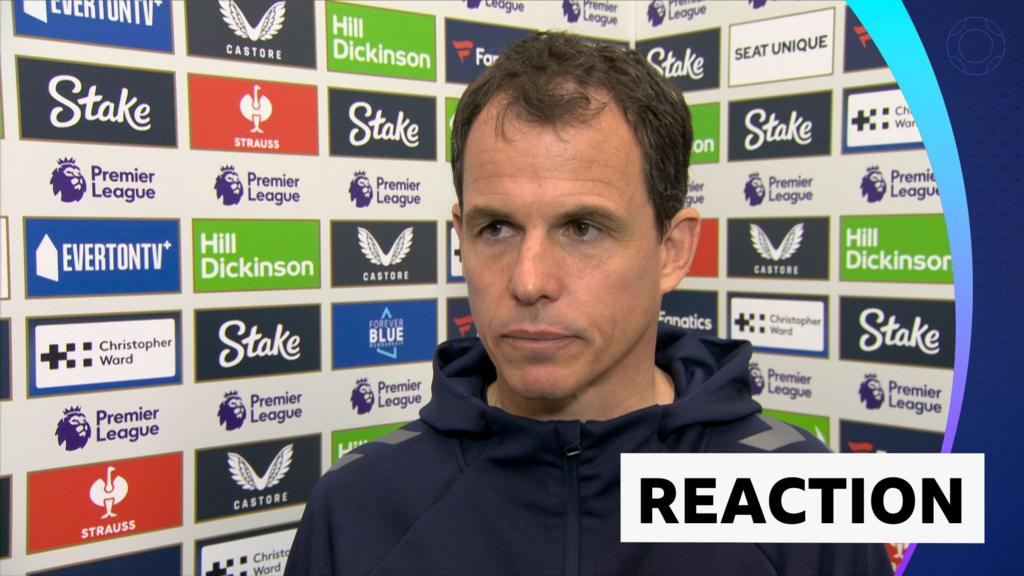
The manager’s post-match press conference at Molineux was an exercise in restrained fury, but behind closed doors, the dressing down would have been volcanic. Football at this level is decided by marginal gains. Throwing away points because a player lost emotional control is the ultimate betrayal of the tactical preparation.
Rebuilding a broken backline
The knock-on effects for Sunderland’s upcoming fixtures are catastrophic. Ballard is now facing a multi-match suspension at the exact moment his team needs stability in this brutal May run-in.
The coaching staff now faces a miserable tactical dilemma. If they introduce a direct replacement to maintain their standard system, they suffer a massive drop-off in technical execution. Ballard’s deputies simply do not possess his passing range. Without that progression, the team will be forced into playing predictable, lofted passes into the channels, turning the game into a series of low-percentage duels.
The alternative is shifting to a back five to mask individual defensive deficiencies. This provides an extra body in the penalty area to deal with crosses, but it cedes total control of the midfield. You end up deploying three center-backs to mark a single striker, leaving your midfield hopelessly outnumbered. It is a reactive way to play football, and it rarely succeeds over 90 minutes.
The unseen physical toll
Furthermore, the physical cost of the Molineux disaster will bleed into this weekend. Playing a man down for over a half completely destroys a team’s sports science data for the week. The high-speed running metrics for Sunderland’s central midfielders will be deep in the red.
The full-backs, forced to shuttle relentlessly up and down the flanks without support against Wolves, will require extended recovery time. This drastically limits what the manager can do on the training pitch this week. You cannot run high-intensity tactical drills when half your squad is trapped in the recovery room.
The preparation for their next match will be reduced to walking through set-piece routines and conducting video analysis sessions. It is the absolute worst preparation imaginable for a team fighting for their lives.
The weekend prediction
Whoever travels to the Stadium of Light this weekend will smell blood. The blueprint to dismantle this Sunderland side has been broadcast to the entire league.
Expect the opposition to start aggressively, looking to exploit the anxiety in the makeshift backline. They will press high, cut off the short passing options, and force Sunderland’s reserve defenders to play long under duress. Once possession is turned over, they will overload the flanks, dragging Sunderland’s exhausted midfielders out of position.
Sunderland will likely attempt to make the game ugly. They will waste time from the first whistle, drop into a deep defensive block, and pray for a set-piece miracle. But you cannot defend the penalty area passively for a full match in the Premier League. The structural cracks will widen. The gaps will appear.
It is impossible to back Sunderland under these circumstances. Their defensive wall might hold for a half, but the loss of Ballard destroys their primary method of playing out from the back. A brutal, inevitable 3-0 defeat awaits them. And Dan Ballard will have plenty of time to sit in the stands and think about why he grabbed a handful of hair instead of tracking his runner.
Read Next
- Arsenal just steamrolled Fulham and I'm starting to believe
- Brighton are turning St. James' Park into their own personal playground
- Brighton are exposing Newcastle's positional brittleness
- Ipswich proved the doubters wrong but the real work starts now
- 🏟 EFL Championship 2025-26 — Promotion Race & Play-Off Final Hub