The Big Picture
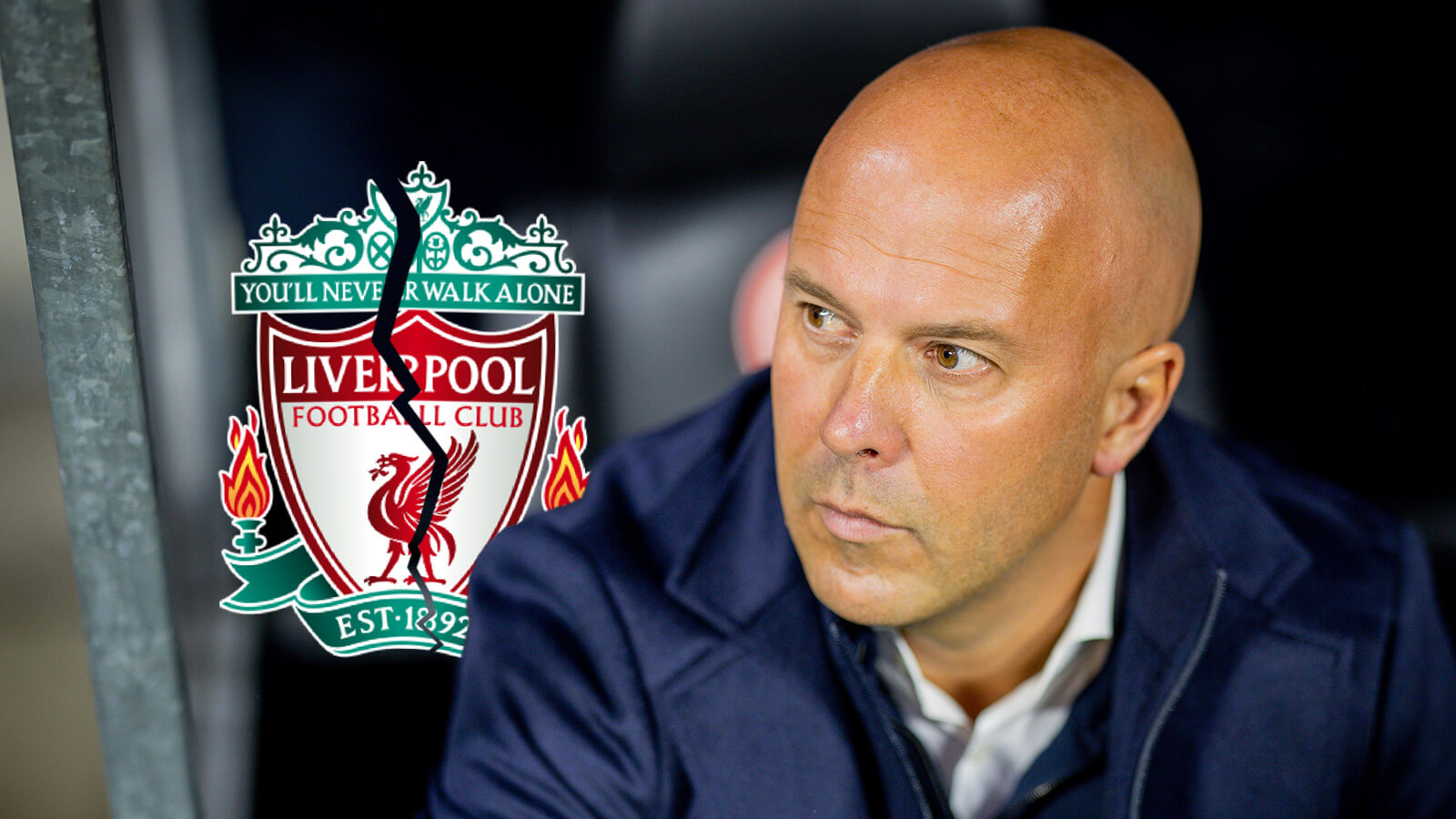
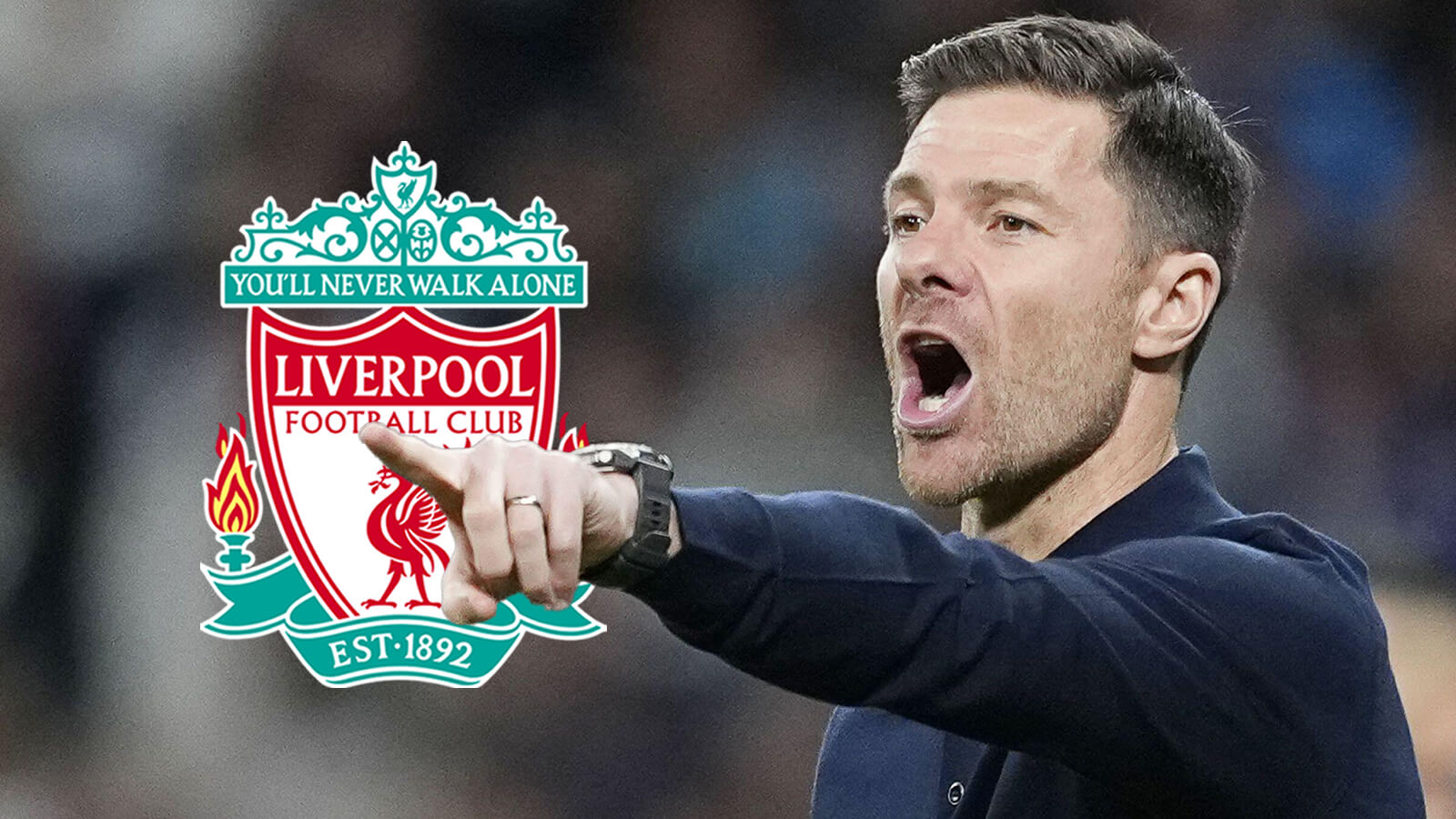
The Arne Slot era has hit a definitive wall, and the Anfield hierarchy is no longer masking its interest in a return for Xabi Alonso. With results sliding and the dressing room vibe turning sour as we hit the final stretch of the 2026 campaign, the move for the Leverkusen mastermind has reached a boiling point. This isn't just a simple managerial swap; it represents a total overhaul of the Liverpool footballing identity at a moment when the club risks falling out of the elite conversation.
10. The Arda Guler Statement
The pursuit of Arda Guler is not a luxury signing but a declaration of intent for the new era. Reports from TeamTalk suggest the Turkish international is the generational talent Alonso wants to build his midfield around. Guler has spent too much time on the periphery at Real Madrid, and Alonso sees him as the creative pivot needed to transition away from a reliance on direct, vertical play. Securing a deal for the teenager would solve a decade-long search for a true successor to the playmaking roles of the past. It is a move that targets the long-term stability of the squad while providing an immediate technical upgrade in the final third.
9. The €80m Striker Solution
Liverpool are reportedly ready to sanction a massive €80 million move for a devastating striker to lead the line for Alonso. The current attacking rotation has lacked a clinical edge this season, often relying on individual moments rather than systematic efficiency to find the net. This investment, highlighted by recent reports, suggests the club is prepared to back the new manager with significant capital immediately. The striker in question is expected to be a high-volume finisher who can thrive in the transition-heavy style Alonso has perfected in Germany. It is a gamble that hinges on the manager's ability to integrate a new focal point into a team that has struggled for goals in big games.
8. Tactical Rigidity and the Plan B Issue
While Alonso is hailed as a tactical genius, there is a legitimate concern regarding his occasional rigidity. At Leverkusen, his setup relies heavily on specific wing-back profiles that Liverpool currently lack in the squad. Forcing a group built for a traditional back four into his 3-4-2-1 mold could lead to a painful and costly transition period. We saw similar issues when Slot tried to implement his possession-heavy style without the right personnel, leading to several defensive collapses. If Alonso refuses to adapt his blueprint to the Premier League's speed, the first six months at Anfield could be a tactical nightmare. No manager is a silver bullet, and this lack of flexibility remains a noted flaw in his otherwise stellar resume.
7. The FSG Data-Driven Alignment
Despite the romanticism of the former player returning home, this move is backed by cold, hard data. Michael Edwards and the recruitment team have likely run thousands of simulations on Alonso’s performance metrics at Leverkusen. His numbers in ball progression and defensive organization align perfectly with the internal models that FSG uses to identify elite coaches. The club does not make sentimental hires, as evidenced by the clinical nature of previous appointments. The fact that Alonso remains the top target suggests his underlying statistics are elite across every measured category. This alignment between the manager’s philosophy and the club’s scouting setup is a recipe for sustained success.
6. The Real Madrid Shadow
The biggest threat to this plan isn't a rival on the pitch; it is the looming vacancy at the Santiago Bernabeu. Florentino Perez has long admired how Alonso transformed a struggling Leverkusen side into champions and sees him as the natural heir to the Madrid throne. Real Madrid have the financial muscle and the prestige that even the Kop struggles to match in a direct bidding war. If Alonso chooses the Spanish capital, Liverpool will be left scrambling for a Plan C while their primary target wins trophies elsewhere. Every day that Slot remains in the dugout is another day Madrid gets closer to securing a deal. This external pressure is forcing the Anfield board to accelerate negotiations before the summer window opens.
5. The Leverkusen Invincible Mentality
Alonso brings a winning culture that has been significantly diluted at Anfield over the last eighteen months. His achievement in guiding Leverkusen to an unbeaten domestic season remains one of the greatest coaching feats in modern history. He knows how to manage a locker room full of high-profile names while maintaining a team-first ethos. This psychological shift is perhaps more vital than any tactical tweak or new signing. Liverpool need a leader who can restore the belief that they are untouchable, particularly at home in European competition. Alonso’s aura alone would provide a massive boost to a squad that has looked mentally exhausted lately.
4. Managing the Aging Core
One of Alonso’s most difficult tasks will be deciding the fate of the club’s aging legends. Mohamed Salah and Virgil van Dijk are entering the final chapters of their elite careers and require careful, high-level management. Alonso has experience handling veteran players at Leverkusen, ensuring they stay motivated and fit for the biggest matches. He will need to convince these stars that his new project is worth their final prime years. If he fails to get the veterans on board, he faces a potential dressing room divide before his first pre-season is over. Balancing the old guard with new arrivals like Guler will be a delicate tightrope walk for any new coach.
3. The "Now or Never" Window
Timing is everything in football, and the window for Alonso is closing rapidly as we approach the summer of 2026. As noted by analysts, this represents a definitive "now or never" moment for the Spaniard to return to England. Alonso has achieved everything possible in Germany, and his stock will likely never be higher than it is today, March 30. If Liverpool hesitate and wait another year, they risk him being lured to Munich or another continental giant. The hierarchy knows that missing out now could mean watching him dominate European football with a rival for the next decade. There is a sense of urgency that didn't exist even six months ago.
2. The Anfield Emotional Connection
Returning to a club where you are already a legend is a double-edged sword that few managers can handle. The expectations from the fans will be astronomical from the first whistle of his first game. Supporters aren't just looking for wins; they are looking for the Alonso they remember—composed, elegant, and dominant on the ball. Unlike Slot, who was treated with cautious optimism, Alonso won't get a honeymoon period because he is already part of the club’s history. Every tactical mistake will be magnified by the weight of his playing legacy and the trophies he won in red. It takes a specific level of mental toughness to navigate that pressure without folding.
1. The Arne Slot Breaking Point
The primary factor driving the Alonso conversation is the undeniable decline under Arne Slot. Despite a decent start to his tenure, the tactical stagnation in 2026 has left Liverpool chasing shadows in the title race. Slot’s inability to adapt his system to the physical rigors of a multi-front campaign has left the squad looking broken. Fans have become increasingly vocal about the lack of identity and energy that once defined the team. This isn't just a bad run of form; it is a fundamental collapse of the current project. Alonso isn't just a preferred candidate; he is the only logical successor who can unite a fractured fanbase and a tired squad.
Honorable Mentions
While the focus is on the dugout, other clubs are busy with secondary targets. While Inter and Roma are busy with prospects like Doumbia, Liverpool must stay focused on the manager. Other factors include the potential return of Michael Edwards in a more prominent role and the development of the youth academy stars who have stagnated under Slot. The next few weeks will define the next decade of the club.