The Source and the Bombshell
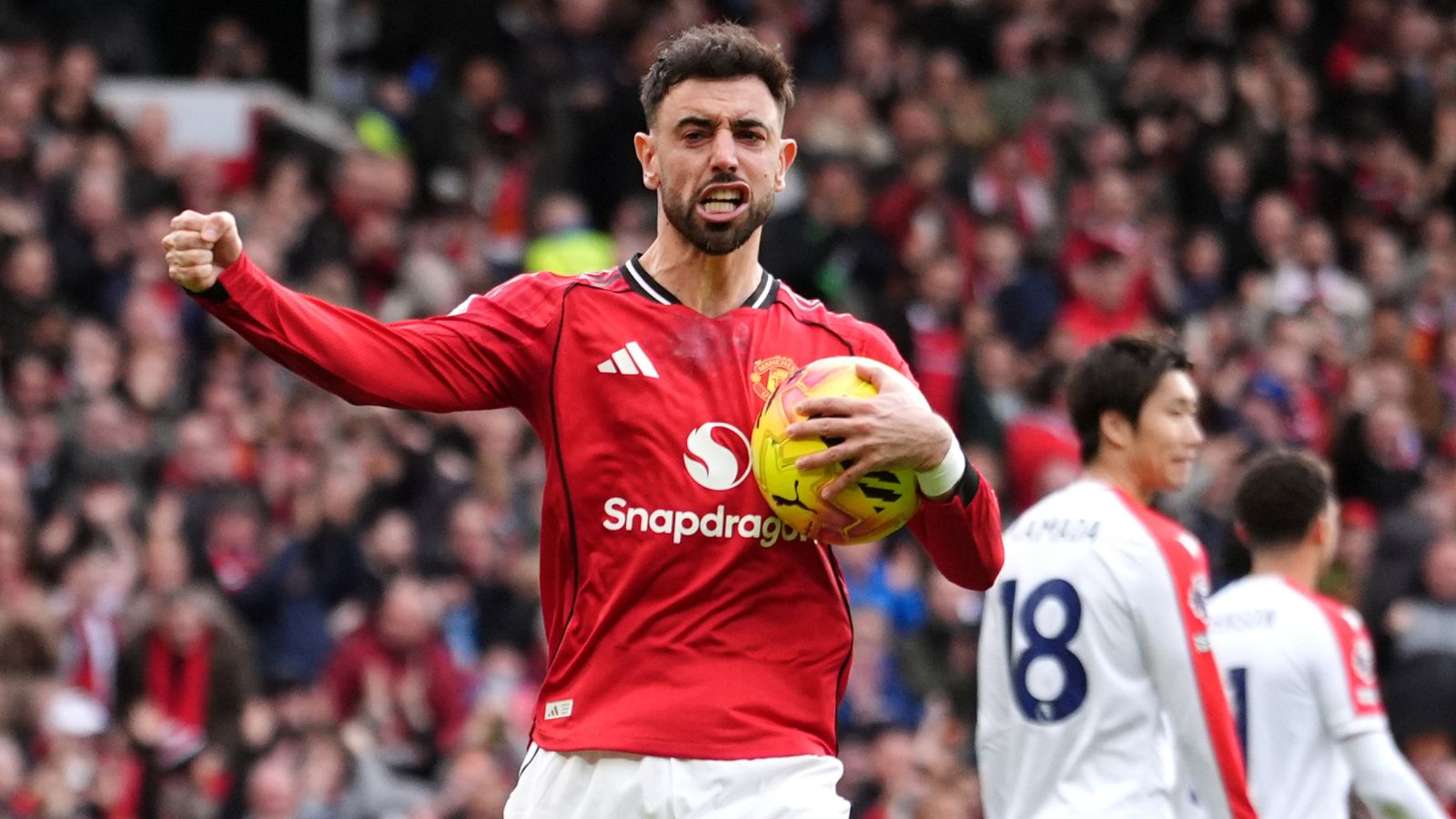
Operating firmly in Tier 3 territory, The Mirror has dropped a detailed, mildly chaotic update regarding the future of Manchester United captain Bruno Fernandes. According to the report, the Portuguese midfielder is staring down a mammoth contract offer while possessing a little-known release clause in his current deal. The brevity of the update leaves plenty of room for interpretation, but the financial implications for the club are massive.
In the grand hierarchy of football transfer journalism, you read these tabloid exclusives with a healthy dose of skepticism. They are not Fabrizio Romano, and they are not David Ornstein. However, this combination of details warrants serious analysis because it aligns perfectly with the current financial reality at Old Trafford.
Manchester United are operating under strict Profit and Sustainability Rules. Moving a massive salary off the books is always an attractive option for an ownership group desperately trying to restructure the squad.
The INEOS Reality and the Wage Bill
Sir Jim Ratcliffe and his sporting directors have made it clear that the era of bloated contracts is firmly over. United have spent the last two years desperately trying to trim their wage bill, moving on from older players who no longer fit a high-intensity system. Fernandes is currently one of the highest earners at the club, commanding a salary that reflects his status as the primary creator.
A mammoth offer from an unnamed suitor changes the math entirely for the United board. If a club from the Saudi Pro League is willing to hand Fernandes a final massive payday, United have a serious decision to make. Keeping a player who turns thirty-two later this year on top-tier wages contradicts the youth-focused rebuild INEOS has publicly outlined.
Yet, selling your captain and most productive player is a terrifying prospect for any manager. The board must weigh the immediate drop in attacking output against the long-term financial flexibility his departure would create. It is a defining decision for the new sporting structure.
The Tactical Enigma
To understand the weight of this rumor, you have to dissect what Fernandes actually does on the pitch. He is a high-volume creator. Everything flows through him, for better or worse, and he demands the ball constantly regardless of the game state.
Since arriving from Sporting CP, he has been the undeniable focal point of the attack. He runs relentlessly, often topping the distance-covered charts with numbers consistently around the 11.5 kilometers mark per match. His work rate off the ball is highly underrated by rival fans who only see his highlight reel passes.
But his on-ball habits are highly polarizing, and this is where his true value is debated. Fernandes is a transition monster who struggles in heavily structured possession systems. He is entirely too eager to play the final ball, rushing the attack when patience is required.
When United try to pin an opponent back in a low block, Fernandes frequently attempts low-percentage, first-time Hollywood passes. When a simple five-yard lay-off would maintain pressure and suffocate the opposition, he tries an outside-of-the-boot cross. This results in incredibly frustrating turnovers, with his passing completion rate regularly dropping into the low 70s.
A possession-obsessed coach will always struggle to integrate a player who treats the ball like a hot potato. He creates chaos, which hurts his own team just as often as it hurts the opposition.
The Dressing Room Dynamic
Beyond his tactical fit, his role as captain complicates any potential exit. Fernandes took the armband and immediately demanded an intense standard in training, expecting total commitment from the squad. He leads by example in terms of sheer physical effort.
However, his on-pitch demeanor has drawn heavy, justified criticism. He frequently throws his arms up in disgust when a younger teammate misplaces a pass. His constant complaining to referees rarely helps the team and often paints a picture of a fractured squad lacking emotional control under pressure.
Removing that particular negative energy might actually allow younger players to breathe and take on more leadership responsibilities. A new captain could bring a calmer, more measured presence to a team that routinely loses its head in difficult away fixtures.
The Mason Mount Factor
When Manchester United signed Mason Mount, many assumed he was brought in to eventually succeed Fernandes or play alongside him. That partnership has largely failed to materialize due to a combination of persistent injuries and glaring tactical incompatibility.
Mount is a willing presser and prefers rapid, short combinations, but he naturally operates in the exact same half-spaces that Fernandes demands to occupy. Selling the Portuguese captain would immediately clear the runway for Mount to finally establish himself as the primary attacking midfielder at Old Trafford.
It would allow the former Chelsea man to dictate the tempo without instinctively deferring to the club captain on every single possession. Furthermore, a more disciplined midfield structure would drastically benefit Kobbie Mainoo.
The young English midfielder often finds himself totally isolated in the center of the park because Fernandes pushes so high up the pitch to join the forward line. A flatter, more conservative midfield three would provide Mainoo with the short passing options and defensive cover he desperately needs to thrive at the highest level.
Unpacking the Release Clause
The most fascinating detail in The Mirror's report is the mention of a little-known release clause. Manchester United notoriously despise release clauses. They historically refuse to include them in contracts, preferring to hold all the negotiating power when selling players.
If Fernandes actually has a release clause, it was likely a major concession granted during his last contract extension. It suggests his camp demanded an exit strategy if the club failed to consistently challenge for the Premier League title or qualify for the Champions League.
The existence of a clause fundamentally shifts the power dynamic. United cannot set an arbitrary valuation of £80 million to scare off potential buyers. If the clause is set at a more reasonable figure, the purchasing club simply deposits the money and bypasses the United board entirely.
Competing Clubs and the Market
Who exactly is making this mammoth offer? The Mirror remains vague, but the context clues point squarely at the Saudi Public Investment Fund clubs. Teams like Al-Hilal or Al-Nassr have a track record of identifying high-profile Premier League stars entering their twilight years.
Reuniting with Cristiano Ronaldo at Al-Nassr would make perfect commercial sense. It provides the Saudi league with another global superstar while offering Fernandes an astronomical final contract that no European club would match.
If the interest comes from Europe, the list is incredibly short. Bayern Munich are well-stocked in attacking midfield, and Real Madrid are focused elsewhere. Paris Saint-Germain are the only European side with the financial muscle to match a mammoth wage packet, but they have recently pivoted toward signing younger French talent.
Probability and Timeline
Right now, this feels like a medium-low probability rumor. Contract leaks are standard practice in modern football, and agents routinely use the media to remind clubs of their client's market value.
This leak could simply be a tactic to pressure United into offering a final, lucrative extension before the FIFA World Cup kicks off on June 11. However, the INEOS regime does not respond well to media pressure, and pushing too hard might force their hand.
Expect this saga to simmer throughout April. The real movement will happen in May, right after the Premier League season concludes. If the release clause is real, a buying club will want to trigger it before Fernandes joins the Portugal squad for the tournament.
Expected Impact
If the deal goes through, it marks the definitive end of an era at Old Trafford. The expected impact is a massive short-term drop in goalscoring, accompanied by a long-term improvement in ball retention and tactical discipline.
United would suddenly have the financial freedom to sign two high-level midfielders. They would finally transition away from the chaotic, counter-attacking identity that has defined them for half a decade.
Losing Bruno Fernandes would be painful for the fanbase. But for a club desperate to modernize and control football matches, selling their most unpredictable player might be the exact kind of ruthless decision required to move forward.
Read Next
- Spurs hit the panic button and the cycle repeats
- The £20m sliding door that doomed Manchester United to a decade of debt
- Manchester United’s £150m pursuit of Cole Palmer is a tactical nightmare
- Daniel Levy is chasing Roberto De Zerbi and it might actually work
- 🇵🇹 Portugal World Cup 2026 — A Seleção Hub