The push for European glory in Dublin
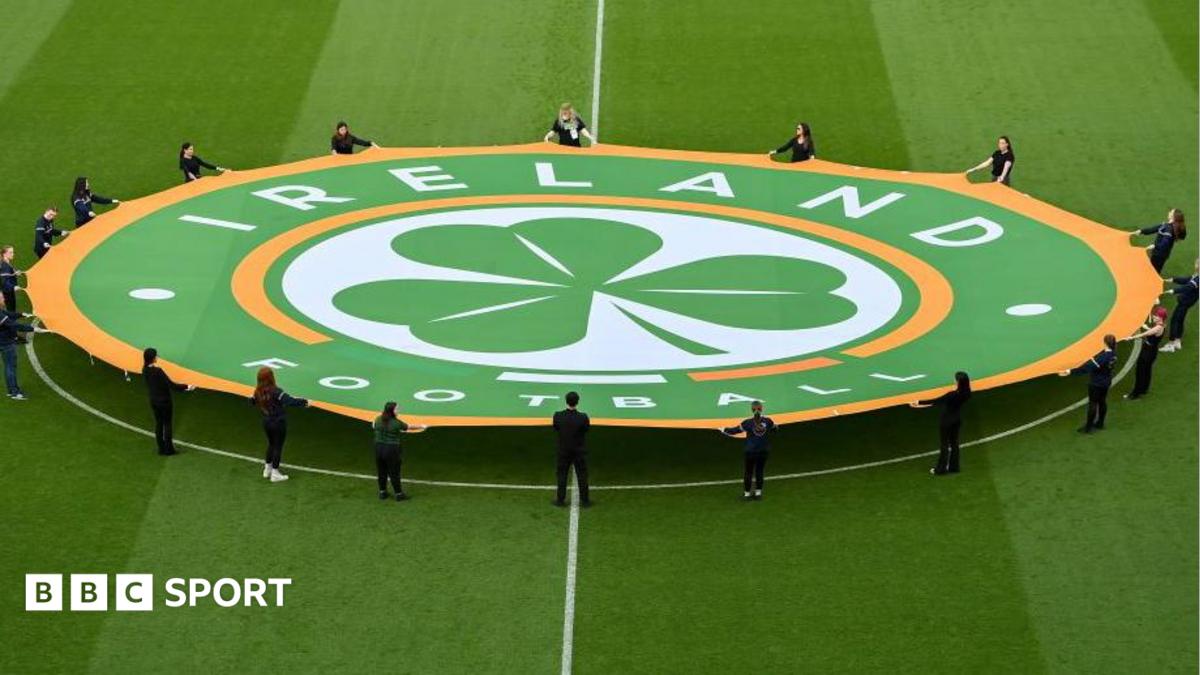
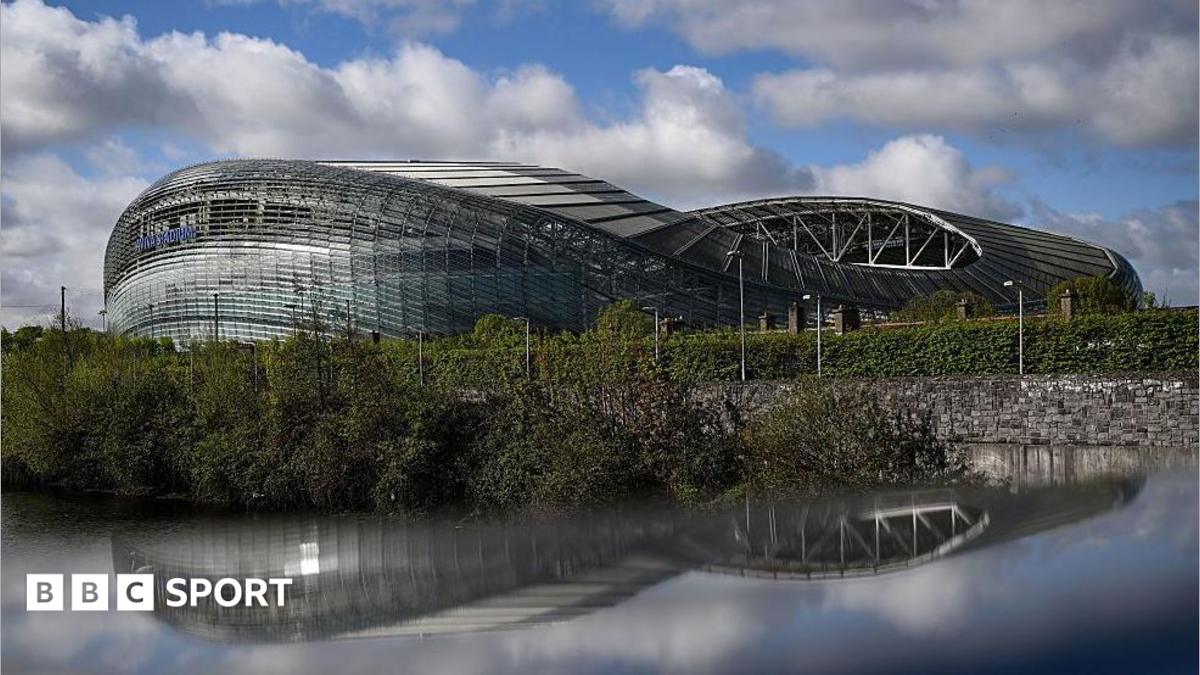
The Football Association of Ireland has officially submitted its bid to host the 2029 Women’s Champions League final. Dublin’s Aviva Stadium serves as the venue being put forward for the premier event. This follows a growing trend of nations vying for high-profile football showcases.
Tier 1 sources confirm the submission was made earlier this week. The competition to land such a fixture is fierce given the prestige associated with the tournament. UEFA expects to make a final decision in the coming months as they evaluate the infrastructure requirements for the showcase.
Tactical logistics of the Aviva bid
The choice of venue is no accident. The Aviva holds a capacity of over 50,000 spectators and has previously proven its capability to manage major European nights. Hosting the final fits the FAI's strategy to bolster domestic interest in the women's game.
Bringing the final to Ireland would serve as a major milestone for football development in the region. Improving attendance records in the Women’s League of Ireland is a secondary goal for those lobbying for this bid. The investment required to meet UEFA standards remains a point of negotiation between the state and the association.
The infrastructure challenge
Observers have pointed to potential flaws in the plan. The primary concern among critics involves the travel logistics for continental fans. Ireland lacks the heavy-rail connectivity seen in central European cities, which could complicate the movement of massive crowds during match week.
Furthermore, weather remains an unpredictable variable inherent to the Irish sporting experience. The FAI must prove that the pitch quality and stadium facilities can withstand the demands of a high-stakes final under strict UEFA scrutiny. Past hosting experiences, like the 2024 Europa League final held at the same site, provide some baseline data on operational capacity.
Assessing the probability of success
The probability of landing the event is currently rated as medium. UEFA tends to rotate these prestigious matches across different regions to promote the growth of the sport. While the proposal is ambitious, it faces stiff competition from established football hubs that offer more centralized transit models.
The timeline for a final announcement is expected to span the next two years. FIFA and UEFA often align these selections with broader development projects across their member associations. Any delays in the selection process would signal intense debate within the executive committee regarding the commercial viability of the Irish venue.
Defining the expected impact
If successful, hosting the 2029 final could yield a generational shift for the sport in Ireland. It would put the Aviva Stadium in a select list of elite venues that have hosted major continental finals. However, the legacy will depend on whether the FAI can translate this single match into long-term funding for the domestic women's pyramid.
A failure to secure the bid would not be a disaster, but it would slow the current momentum. The focus must remain on sustainability within the local league structures regardless of who hosts the match in 2029. Success is measured by long-term participation rates, not just a single night of prestige.
Read Next
- Rhian Wilkinson has Wales dreaming of a first major tournament
- England’s World Cup qualifying disaster hits a new low
- Rhiannon Roberts and the defensive evolution behind Wales’ resurgence
- Everton's 35 million pound penalty turns financial theory into brutal reality
- 🏆 UCL Final 2026 — Munich May 28 — Full Coverage Hub