The FAI pulls the plug on home soil
So, the Football Association of Ireland finally decided to act. They confirmed the Republic of Ireland’s upcoming Nations League match against Israel is moving to a neutral venue. We aren't hosting this one in Dublin.
This isn't surprising if you have been watching the geopolitical temperature rise over the last year. Sports bodies usually love pretending they exist in a vacuum, but the FAI effectively raised the white flag before the match could become a tactical nightmare for local law enforcement.
The logistical headache is real
You can bet the security costs for a match like this would have been astronomical. Ireland hasn't exactly been shy about taking a stance on the conflict in the Middle East, and hosting a high-profile fixture against an Israeli side invites a level of scrutiny that an international body probably wants to avoid at all costs.
Moving the date to a neutral site is the ultimate coward’s exit. It saves the FAI the headache of handling protests or potential pitch invasions, but it also strips away the home-field advantage we supposedly care about. Watching the team play in an empty stadium or a neutral park feels hollow.
The reality of neutral venues
Remember when UEFA forced teams to play in Budapest or Poland during previous regional conflicts? It turns the competition into a weird, sterile affair. This game will likely take place in front of a neutral crowd, or worse, no crowd at all.
While the decision to move the game stems from a desire to keep things under control, the result is a massive dampener on the tournament. The Nations League is already confusing enough without games being played in random neutral zones like some kind of Cold War relic.
The broader impact on the squad
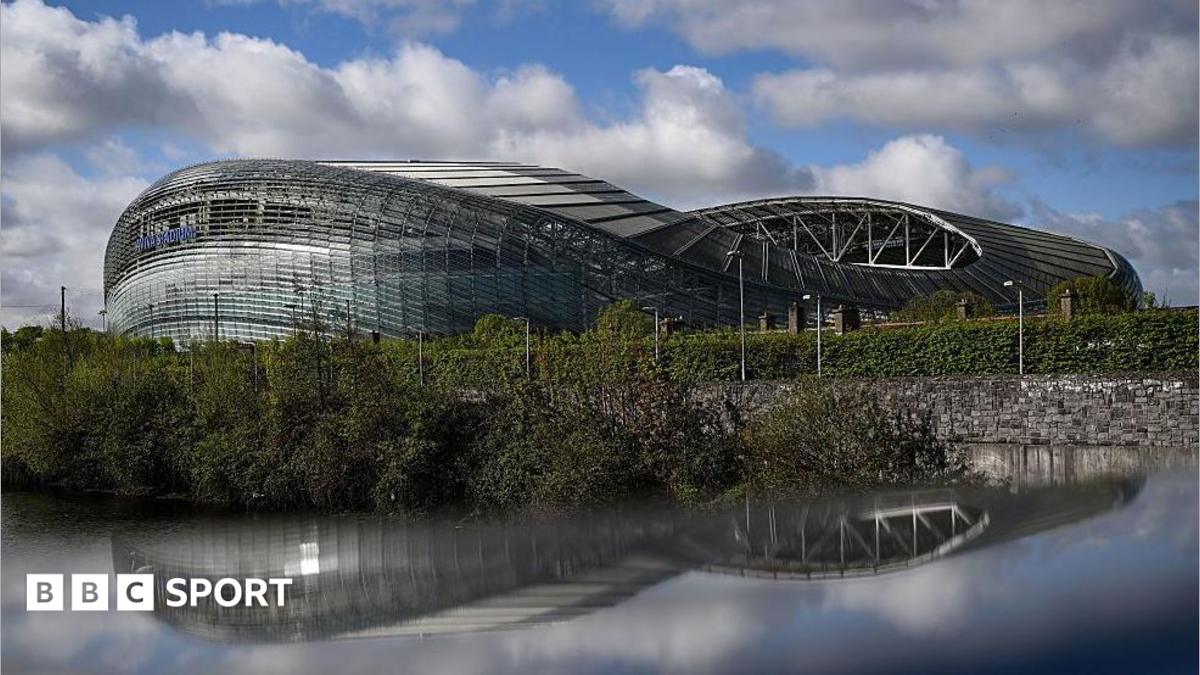
The players are the ones who suffer here. They spend years aiming to walk out at the Aviva Stadium with the crowd roaring behind them. Dragging them across Europe to play in a half-empty venue makes no sense for the development of Heimir Hallgrímsson’s roster.
If the FAI couldn't guarantee safety, fine. But they are essentially admitting they can't manage their own house. If you want proof of how messy this is getting, look at the official statement from the BBC — it’s remarkably short because they don't want to touch the hornet's nest.
It is worth noting that international fixtures involving teams from volatile regions have become a significant liability for federations. This isn't just about football anymore. It is about avoiding an international incident that lasts longer than the 90 minutes on the pitch.
Hopefully, this doesn't set a precedent for future qualifiers. If every time a match gets uncomfortable we pack our bags and run to a neutral territory, the calendar will end up looking like a nomadic touring circus rather than a proper European football competition.
Read Next