The end of the Crawley era
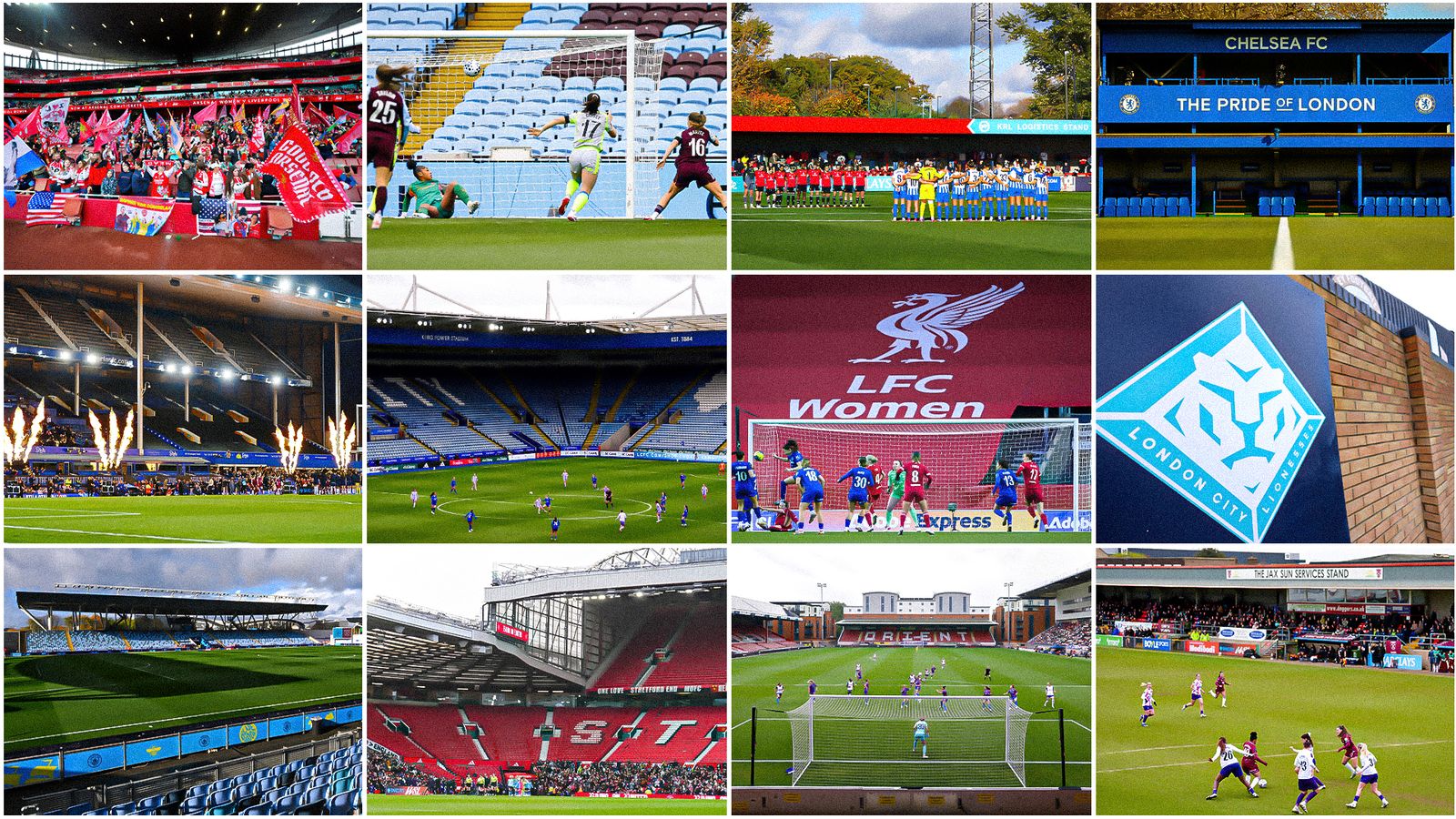
For years, the Women's Super League has functioned on a model of geographic compromise. Top-flight teams frequently play their home matches in satellite towns, miles away from their club’s spiritual base. Brighton & Hove Albion Women have spent years at Crawley’s Broadfield Stadium, a venue that, while functional, represents the glass ceiling currently hovering over the women’s game.
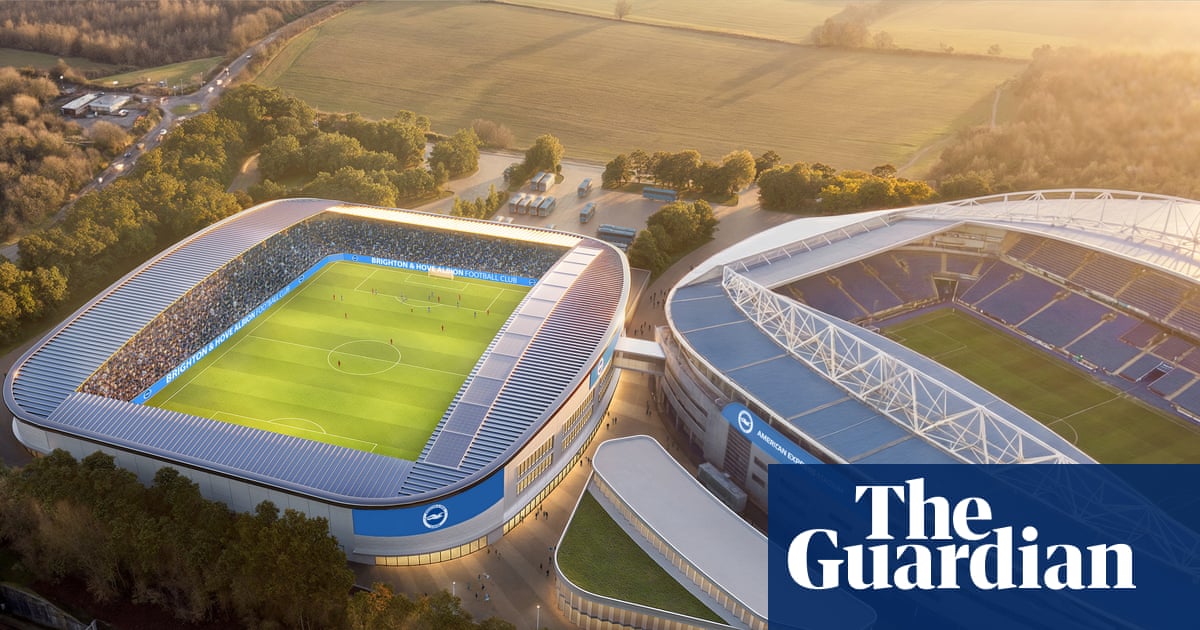
Today’s announcement from the club marks a definitive break from that compromise. Brighton have released plans to construct the first purpose-built stadium for women’s football in both the UK and Europe. It is a bold, expensive, and arguably risky statement of intent. The club is moving away from being a tenant and is instead looking to become a primary landowner in a sport where many teams still rely on the charity of lower-league men’s outfits.
As The Guardian reported, the proposed 10,000 capacity venue will sit adjacent to the Amex Stadium in Falmer. This isn't just about moving closer to home; it is about establishing a permanent physical presence in the community. The proximity to the men’s ground allows for a shared transportation network and matchday services, but the identity will be entirely separate.
The £80 million blueprint
The numbers involved in this project are staggering. According to BBC Sport, the project is expected to cost between £75m and £80m. This is not a modest upgrade or a repurposed training pitch. It is a high-spec arena designed to meet the specific requirements of the professional women’s game, from broadcasting requirements to medical facilities.
Fran Kirby, the Brighton and former England forward, captured the mood of the dressing room perfectly. She noted that this is the kind of progress players have dreamed about for years. For a player like Kirby, who has seen the evolution of the league from semi-pro status to global relevance, a dedicated home represents the ultimate validation of the sport’s professional trajectory.
This is the kind of progress we have dreamed about for years.
Building from scratch allows for a level of design specificity that is impossible when sharing a ground. The pitch dimensions, the quality of the surface, and the lighting arrays will all be optimized for the WSL schedule. We often see women’s matches postponed because a pitch has been chewed up by a men’s League Two match on a rainy Tuesday night. That instability ends here.
Tactical advantages of a dedicated surface
From a tactical perspective, the benefits of a purpose-built home are understated but significant. A dedicated pitch allows the grounds team to tailor the surface to the specific pressing triggers and passing speeds of the Brighton women's team. When you share a ground with a team like Crawley, the pitch is a blunt instrument. In a dedicated arena, it becomes a tactical tool.
We can expect a faster, more consistent ball roll that benefits technical players who thrive on one-touch combinations. The drainage systems planned for the new site will ensure that the 'mud-heap' matches of January become a relic of the past. This allows for a level of stylistic continuity that has previously been denied to teams playing on overworked surfaces.
The risk of the 10,000-seat bowl
However, we must look at the cold reality of the economics. Spending £80m on a stadium with only 10,000 seats is a massive financial gamble. This works out to a cost-per-seat of roughly £8,000. For context, many larger stadiums are built for half that ratio. The club is betting that the premium experience of a dedicated ground will drive up average ticket prices and hospitality revenue.
There is also the question of attendance. While the WSL is growing, filling 10,000 seats consistently outside of the 'Big Four' remains a significant challenge. Brighton averaged significantly fewer than that during their time in Crawley. Moving to Falmer will help, but there is a real danger of the team playing in a cavernous, half-empty bowl if the on-pitch performance doesn't keep pace with the building's grandeur.
A two years construction timeline means the club needs to start seeing a return on this investment almost immediately upon completion. If they cannot migrate their fanbase from Crawley to Falmer and expand it three-fold, the financial burden of the mortgage on this site could become a drag on their transfer budget. This is the dark side of ambition; the bills must be paid regardless of whether the seats are filled.
A logistical masterstroke or a vanity project?
Logistically, placing the stadium next to the Amex is a masterstroke. It utilizes existing rail links and park-and-ride schemes. It also allows the club to offer 'double-header' seasons where fans can easily transition from a men’s Saturday match to a women’s Sunday fixture. This synergy is something other clubs, like Chelsea at Kingsmeadow or Arsenal at Boreham Wood, simply cannot replicate.
Yet, the skeptic might ask if this money would have been better spent on the squad. £80m buys a lot of world-class talent. By locking that capital into concrete and steel, Brighton are taking the long view. They are betting that the stadium itself will become a recruitment tool, attracting elite players who want the stability and prestige of a dedicated home. It is a gamble on the sport's maturation.
Why this matters for the 2026 season and beyond
As we sit here on April 28, 2026, watching the Champions League semi-finals unfold, the conversation about facilities is reaching a fever pitch. The leading clubs in Europe are realizing that the 'rent-a-pitch' model is no longer sustainable. Brighton are the first to put their money where their mouth is on a massive scale.
This move will likely force the hands of other clubs. If Brighton has a 10,000-capacity purpose-built home, how long can Manchester United or Liverpool continue to play at venues that feel like afterthoughts? The pressure on the league's 'elite' to match this investment will be immense. Brighton are effectively resetting the baseline for what it means to be a professional women’s club.
The design also includes specialized medical and sports science wings. Recent research into ACL injuries in the women’s game has highlighted the need for gender-specific training environments. By building from the ground up, Brighton can include these considerations in the very fabric of the building, potentially reducing injury rates and improving player longevity.
Final prediction and verdict
I predict that this stadium will be the catalyst that finally breaks the Big Four’s monopoly on the WSL. By creating a superior matchday environment, Brighton will capture a new demographic of fans who are currently put off by the trek to Crawley. It is a high-risk play, but it is exactly what the league needs to move past its adolescent phase.
The critics will point to the high cost per seat, and they have a point. It is an inefficient spend in the short term. But football isn't always about short-term efficiency. It’s about building a fortress. In five years, when 10,000-seat stadiums are the norm for every WSL club, we will look back at this Brighton announcement as the moment the league truly turned professional.