
The Champions League is descending into beautiful, high-scoring chaos

The Great European Goal Rush
If you were hoping for the tactical rigidity and cagey, low-scoring affairs that defined the Champions League of the mid-2010s, you are likely feeling a mix of bewilderment and exhilaration. We have just witnessed a Round of 16 that produced a staggering 68 goals, a figure that feels less like a series of professional football matches and more like an experimental fever dream. From the clinical efficiency of Harry Kane to the defensive collapses that have left Premier League giants reeling, the continent’s premier competition has undergone a fundamental shift.
Jonathan Wilson has rightly pointed to the widening gap between the elite and the rest, but there is something more primal at play here. It is a tactical abandonment of caution. When we look at the wreckage of the last round, specifically the heavy defeats suffered by Chelsea and Newcastle, the narrative isn't just about 'mismatches.' It is about the inability of modern, high-intensity teams to defend in open play when the pressure cooker of the Champions League reaches its boiling point. The defensive structures that work on a rainy Tuesday in the Premier League are being dismantled by European heavyweights who have decided that the best way to win is to simply outscore the chaos.
Harry Kane: The 50-Goal Masterclass
Amidst the carnage, one constant remains: Harry Kane. His 50th Champions League goal—an exceptional strike against Atalanta that helped seal a 10-2 aggregate demolition—served as a stark reminder of his singular brilliance. While his peers are often caught up in the tactical churn, Kane remains the ultimate surgeon. His movement is subtle, his finishing is ruthless, and in a Bayern Munich side that is finally clicking under the bright lights, he looks like a man on a mission to finally erase the 'trophy-less' asterisk next to his name.
Bayern’s 4-1 win in the second leg wasn't just a victory; it was a statement of intent. They aren't just winning; they are overwhelming their opponents with a blend of traditional German physicality and the kind of fluid, transition-heavy football that defines this new era of the competition.
The Premier League’s European Identity Crisis
The murmurs of discontent regarding the Premier League’s performance are growing louder. When Chelsea and Newcastle were dismantled by PSG and Barcelona respectively, the discourse shifted from tactical analysis to existential dread. There are even calls for these clubs to be 'banned'—a hyperbolic, yet telling, reaction to the perceived lack of defensive discipline. The reality, however, is more nuanced. The Premier League is a league of transition and high-octane physicality, but in Europe, that same intensity is often exposed by teams that prioritize structural control over pure athleticism.
Liverpool, at least, seem to have caught a break. Unlike Chelsea, who were forced to contend with a well-rested PSG side, the Reds are unlikely to face the same scheduling disadvantage. The fixture gods have smiled upon them, ensuring that they will have a fair crack at the whip when they face the Parisians. It is a small detail, but in a competition defined by margins, it could be the difference between a quarter-final exit and a deep run.
The Greenwood Factor and the Summer Transfer Scramble
As the dust settles on the pitch, the boardrooms are already heating up. Mason Greenwood, currently finding his footing at Marseille, has emerged as a primary target for several Champions League giants. The rumors of a £43m move are more than just idle chatter; they represent the desperate search for 'x-factor' players. In a competition where goals are being scored at record-breaking rates, clubs are looking for attackers who can turn half-chances into game-winners. Manchester United, holding a potential sell-on clause, will be watching this saga closely, hoping that the European market’s inflation continues to work in their favor.
Meanwhile, in Milan, the planning is already underway. The Italian giants are looking at the numbers—the character, the construction, the sheer volume of goals—and realizing that their current roster needs a radical overhaul to compete with the Bayerns and the PSGs of the world. The era of the 'defensive Italian side' is long dead; they are now scouting for the same high-output profiles that are currently terrorizing defenses across the continent.
The Champions League has stopped being a game of chess and has become a game of chicken. It is no longer about who can hold the ball; it’s about who can endure the inevitable defensive breakdown for ninety minutes.
As we head into the quarter-finals, the trend is clear: defense is currently a secondary concern. The teams that succeed will be the ones that can manage the transition moments—the 'chaos' that Wilson describes—better than their opponents. We are witnessing a golden age of attacking football, even if the traditionalists among us are left clutching our pearls at the sight of 10-2 aggregate scores. The Champions League isn't broken; it has simply evolved into something faster, louder, and infinitely more dangerous.
Read Next
- Isak is back for PSG but Liverpool's title charge is hitting a wall
- The 2026 Champions League semi-finals are a tactical nightmare for the old guard
- Why Casemiro's Manchester United exit is the only way forward
- Unai Emery’s midfield puzzle just got a whole lot more interesting
- 🏴 England World Cup 2026 — Three Lions Hub
- ⭐ UCL 2026 — Champions League Quarter-Finals Hub
Frequently Asked Questions
Why are Champions League matches seeing more goals recently?
How many goals were scored in the recent Champions League Round of 16?
What milestone did Harry Kane reach in the Champions League?
Why are Premier League teams struggling in the Champions League?
What defines the current style of play for Bayern Munich?
More Coverage
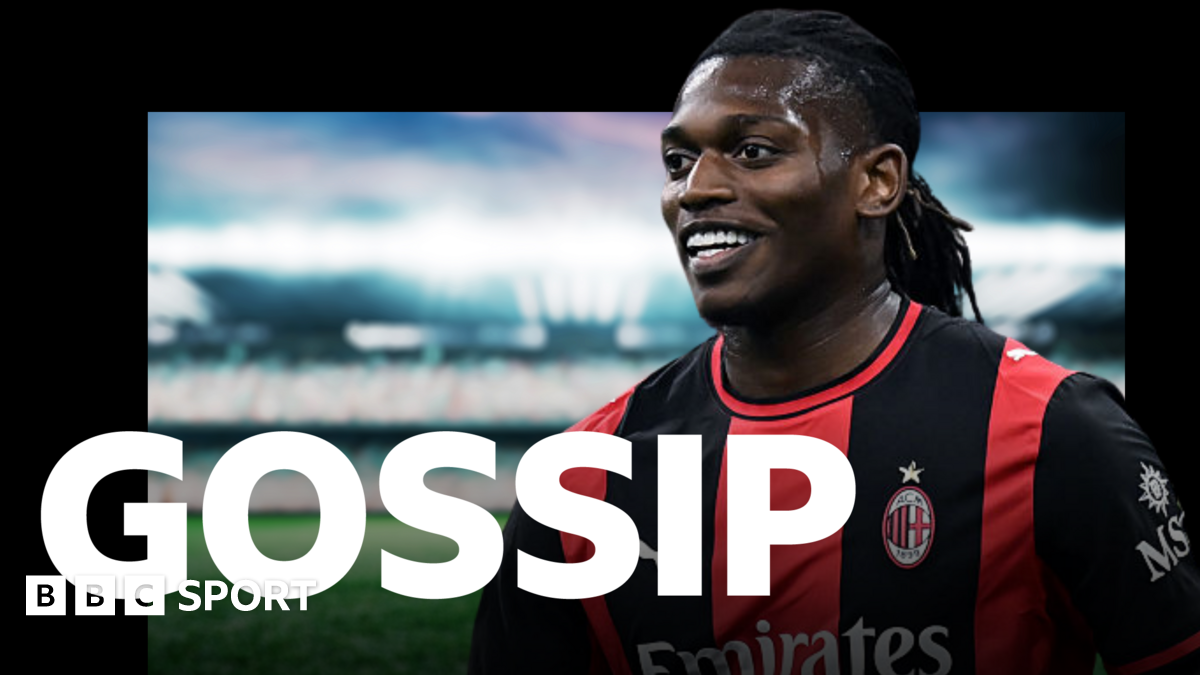
Manchester United are chasing ghosts with the Leao pursuit
an hour ago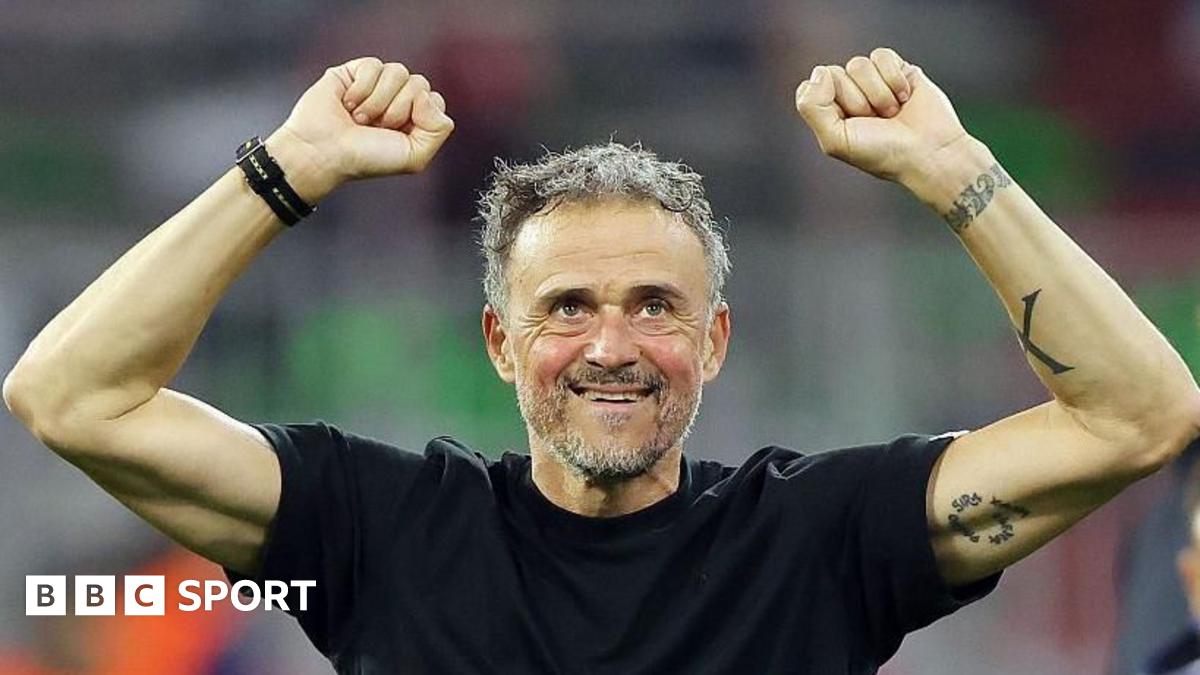
PSG are finally playing like a team and it is terrifying
an hour agoArsenal’s European ambition check is about eighty games overdue
an hour ago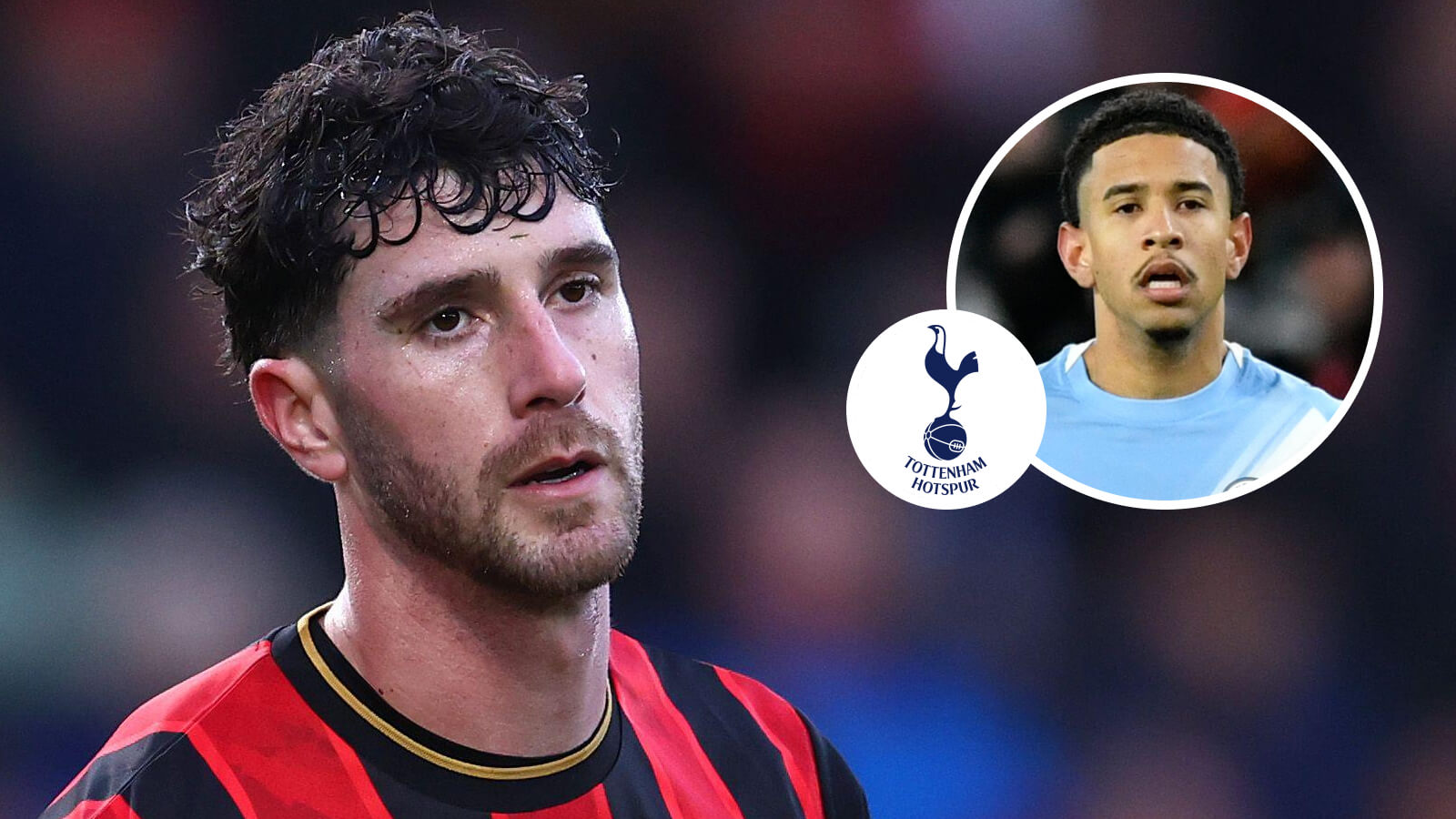
Tottenham are shaking up the squad with a record-breaking push
an hour ago
Arsenal weigh up Ethan Nwaneri departure as Premier League interest grows
an hour ago
Arsenal's transfer strategy remains locked on silverware
an hour agoMore Match Reports
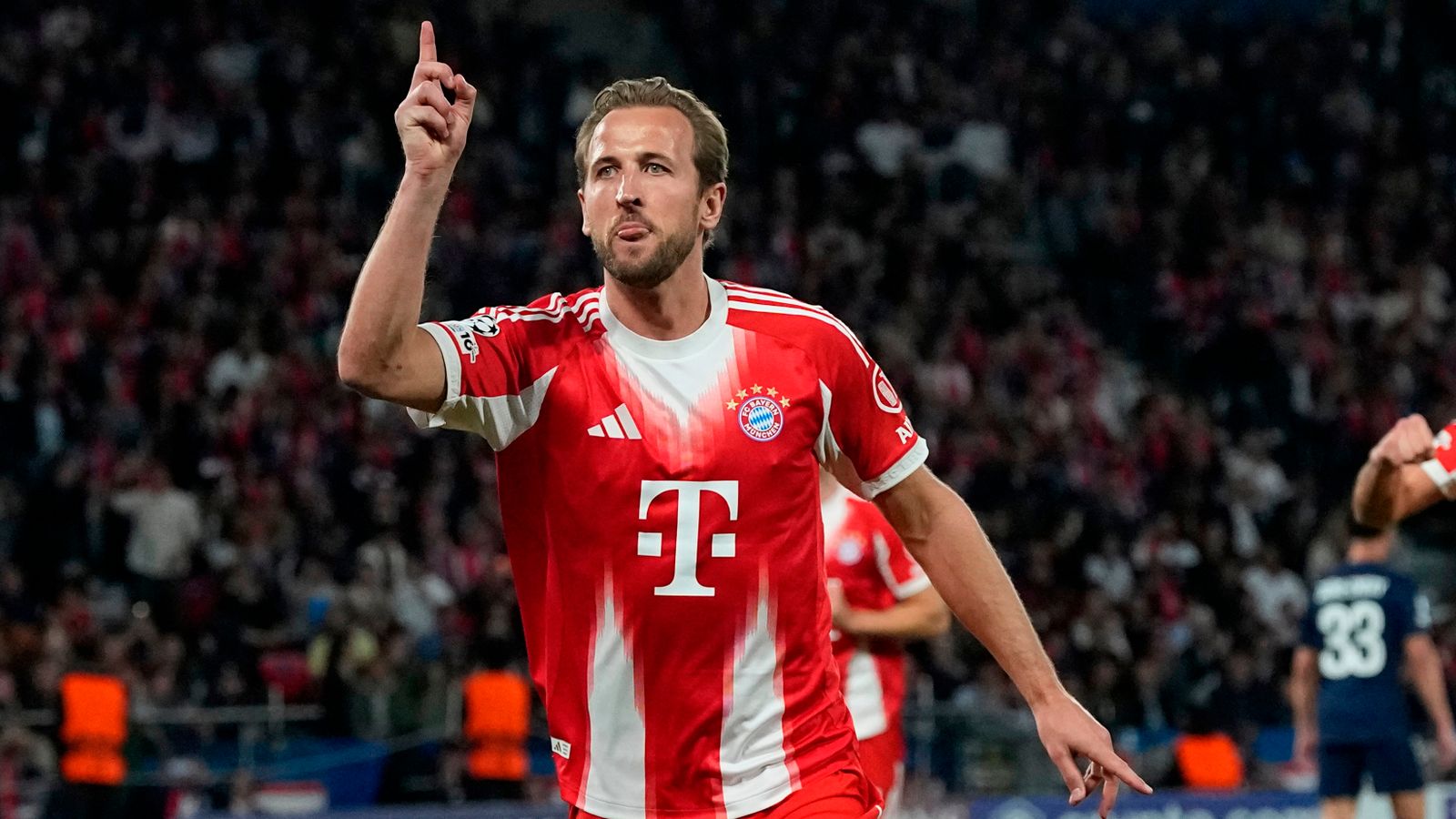
Bayern and PSG are about to break the Champions League again
1 month agoKane is rewriting Bayern's knockout expectations
1 month, 3 weeks agoThe Champions League Quarter-Finals Will Be Absolute Chaos
1 month, 4 weeks agoThe Champions League quarter-finals are a recipe for pure chaos
1 month, 4 weeks ago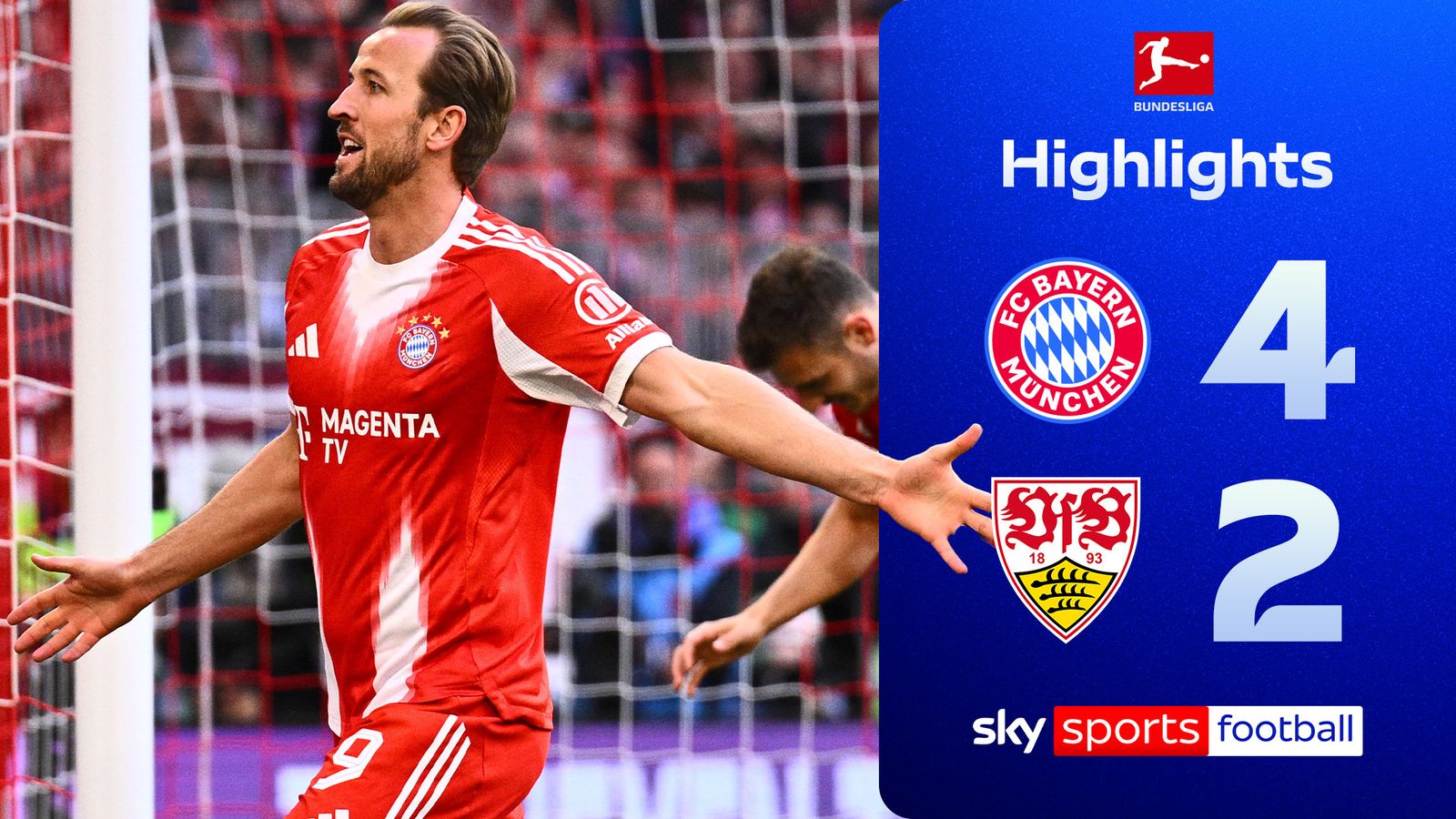
Harry Kane finally has his title, and Bayern are about to conquer Europe
1 month, 1 week ago