
The Closing Gap is a Myth: Why Liga MX Will Dominate the 2026 Champions Cup

The Illusion of the Closing Gap
Every spring, like clockwork, the same tired narrative gets dragged out. MLS executives, pundits, and hopeful fans start beating the drum. The gap is closing, they tell us. This is the year MLS finally shatters the Liga MX stranglehold on the CONCACAF Champions Cup. As we gear up for the 2026 edition, the hype machine is already in overdrive. But let’s cut through the manufactured optimism. The reality is stark: MLS is still nowhere near ready to consistently challenge Mexican dominance when the lights shine brightest.
We all remember the Seattle Sounders lifting the trophy in 2022. It was treated as a monumental shift, the breaking of a decades-old curse. Pumas UNAM looked mortal, and Nicolas Lodeiro looked like a conqueror. But that victory wasn't a turning point; it was a blip. Since that humid night at Lumen Field, Liga MX has ruthlessly reasserted its absolute authority over the region.
Look at Club Leon dismantling LAFC in 2023. Steve Cherundolo had assembled a juggernaut in Los Angeles, a team that stormed through the regular season. But over two legs, Leon made Denis Bouanga and Carlos Vela look like they were playing in slow motion. The 3-1 aggregate scoreline flattered LAFC. Then came the 2024 final.
Columbus Crew, arguably the most aesthetically pleasing and tactically sophisticated MLS team in a decade, swaggered into the Estadio Hidalgo. Wilfried Nancy’s men were supposed to represent the new, modern MLS. Pachuca obliterated them 3-0. Salomon Rondon picked apart the Crew's high line with alarming ease. It wasn't just a defeat; it was a systematic exposure of everything MLS claimed to have achieved. The gap isn't closing; it's merely becoming more expensive and embarrassing to ignore.
The Roster Rule Straitjacket
The fundamental issue crippling MLS on the continent hasn't changed in fifteen years. The league's byzantine roster rules are inherently flawed for the brutal realities of international competition. You can spend $15 million on an Argentine playmaker and $10 million on a European center-forward. But when one of them pulls a hamstring playing at 8,700 feet of altitude in Toluca, you’re forced to substitute a guy making the league minimum.
Liga MX rosters are constructed in an entirely different universe. Club America, Monterrey, and Tigres aren't just top-heavy; they have starting-caliber internationals sitting comfortably on their benches. When Monterrey brought on Brandon Vazquez and Jesus Manuel Corona late in matches last year, it highlighted a terrifying disparity in squad depth. Mexican giants don't just have superior star power; they have vastly superior 12th, 13th, and 14th men.
MLS apologists often point to the Leagues Cup as proof of parity. That is a dangerous delusion. The Leagues Cup is a glorified home tournament where Liga MX teams endure grueling, cross-country travel schedules just to collect a paycheck from Apple TV. It is not a true reflection of competitive balance. When the venue shifts south of the border in the Champions Cup, and the hostile crowds of the Volcan or the Azteca become a factor, the real hierarchy is violently exposed.
Tactical Naivety and Defensive Frailty
Beyond the financial constraints, there is a glaring tactical deficit that plagues MLS representatives. Too many MLS coaches stubbornly adhere to expansive, possession-based systems that look brilliant on a sunny Saturday against the San Jose Earthquakes. But against the high-pressing, intense, and cynical sides of Liga MX, that naivety gets punished instantly and ruthlessly.
Tigres UANL does not care about your expected goals or your pressing triggers. Andre-Pierre Gignac, even in his twilight years, knows exactly how to physically and mentally manipulate inexperienced MLS center-backs. The defensive organization and dark arts practiced by teams like Cruz Azul are simply not encountered in a typical MLS weekend. You cannot simply outscore the Liga MX elite in a two-legged knockout tie.
Success in CONCACAF requires a brutal pragmatism. It demands a willingness to suffer, to kill the game, and to execute a level of game management that most MLS squads fundamentally lack. Until MLS teams learn how to grind out an ugly, cynical 1-0 result in front of 80,000 screaming fans in Mexico City, the trophy will continue to reside safely south of the Rio Grande.
The 2026 Mirage
Looking ahead to the 2026 tournament, the field is undeniably stacked. The influx of talent into MLS is real, but the narrative feels exhausting and disconnected from recent history. Yes, Inter Miami boasts Lionel Messi, Luis Suarez, Sergio Busquets, and Jordi Alba. But we all witnessed what happened against Monterrey in the 2024 quarterfinals.
A team built almost entirely for highlight reels and jersey sales got systematically dismantled by a squad built for the grinds of championship football. Monterrey didn't just beat Miami; they physically bullied them off the pitch. The 5-2 aggregate scoreline was a harsh reality check for the entire league, proving that individual brilliance cannot compensate for systemic structural weaknesses.
The pressure is mounting astronomically. With the 2026 World Cup looming on the horizon, the spotlight on North American soccer has never been brighter or more unforgiving. MLS executives desperately need a statement victory in the Champions Cup, something tangible to validate the billions of dollars poured into stadiums and salaries over the past decade.
We will inevitably hear the same excuses when MLS teams crash out in the quarterfinals. The travel is too hard, the schedule is congested, the altitude is unfair. But these are known variables. If you are entering a continental competition, you must be prepared to handle the continent. Pachuca doesn't make excuses when they play; they just run you off the field.
Hope is not a tactical strategy. Unless MLS takes the radical step of fundamentally overhauling its salary cap rules to allow for genuine, top-to-bottom squad depth—rather than just slapping band-aids on with targeted allocation money—the outcome in 2026 will be entirely predictable. We will see another year of heartbreak, another Liga MX champion lifting the hardware, and another long off-season of MLS suits insisting that, surely, next year will be different. It won't be.
Read Next
- Inter Miami and LAFC are on a collision course for MLS Cup 2026
- The Galaxy's grip, San Diego's sophomore slump, and the chaotic 2026 MLS Western Conference
- Inter Miami 2026: Why Messi's final stand isn't a guaranteed MLS Cup
- Chivas are completely delusional if they think they can catch América by 2026
- 🏆 World Cup 2026 — Full Coverage Hub
- 🇨🇦 Canada World Cup 2026 — Les Rouges Hub
- ⚽ Liga MX 2026 Hub — El Clásico Nacional & WC2026 Mexico
- ⚽ MLS 2026 Season Hub — World Cup Year Guide
- 🌎 CONCACAF Champions Cup 2026 — MLS vs Liga MX Hub
Ruffneck Scarves USA Soccer Scarf - National Team Scarf
The essential accessory for every fan heading to World Cup 2026.
Frequently Asked Questions
Why does the author believe the gap between MLS and Liga MX remains wide?
What is the primary flaw in MLS roster rules regarding international play?
How does the article characterize the Seattle Sounders' 2022 tournament win?
Why does the author dismiss the Leagues Cup as a measure of parity?
What happened when the Columbus Crew faced Pachuca in the 2024 final?
More Coverage

Lucas Herrington and the Socceroos are turning MLS into a World Cup audition
2 weeks ago
Messi and Ronaldo could finally meet on the pitch one last time
1 month, 1 week ago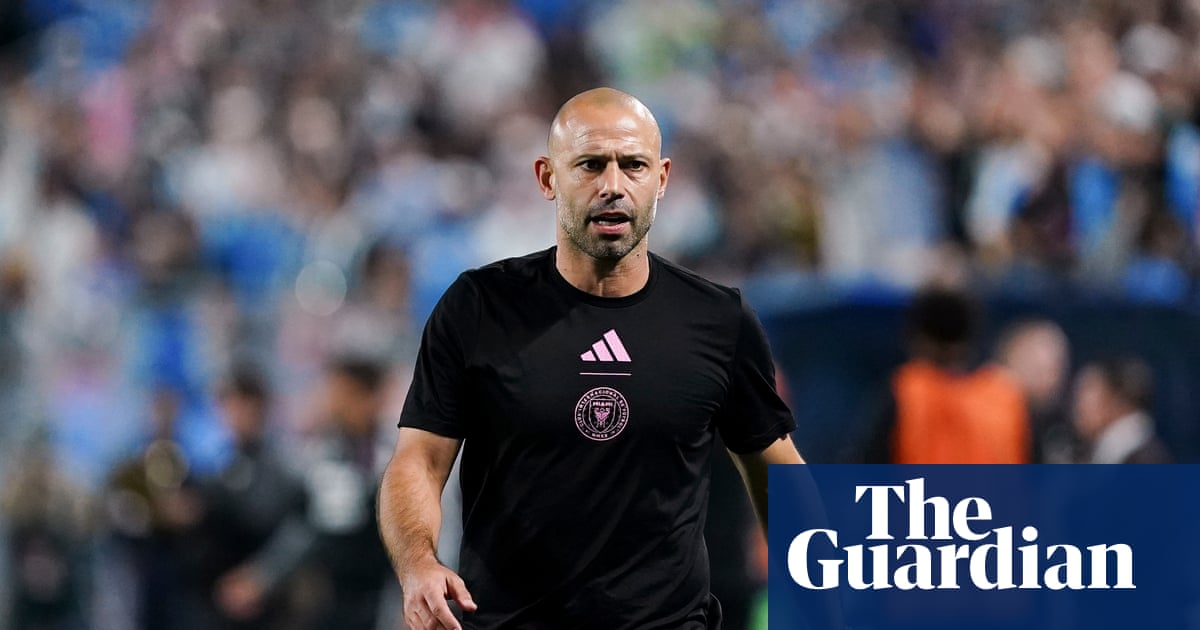
Javier Mascherano walked out on the Messi project and the timing is brutal
1 month, 2 weeks agoInter Miami trying to sign Neymar is a beautiful, disastrous fever dream
1 month, 2 weeks ago
Salah's Liverpool Exit: Euro Giants Make Offers as Egypt Chief Slams MLS
1 month, 4 weeks ago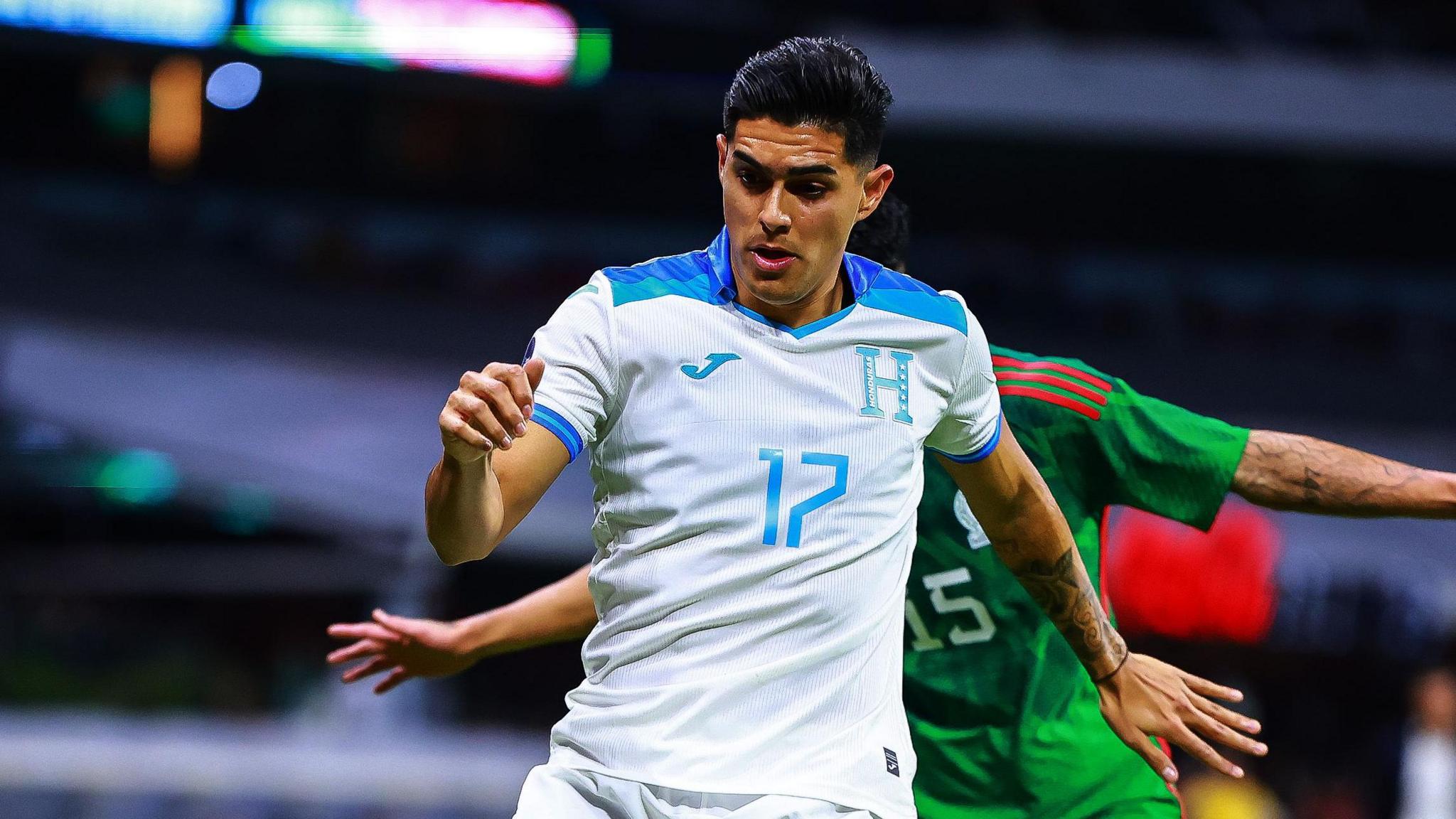
Palma and Elis must carry Honduras out of the wilderness
2 months, 1 week agoMore Analysis

Inter Miami's 2026 CONCACAF Champions Cup run is pure theater
2 months, 1 week ago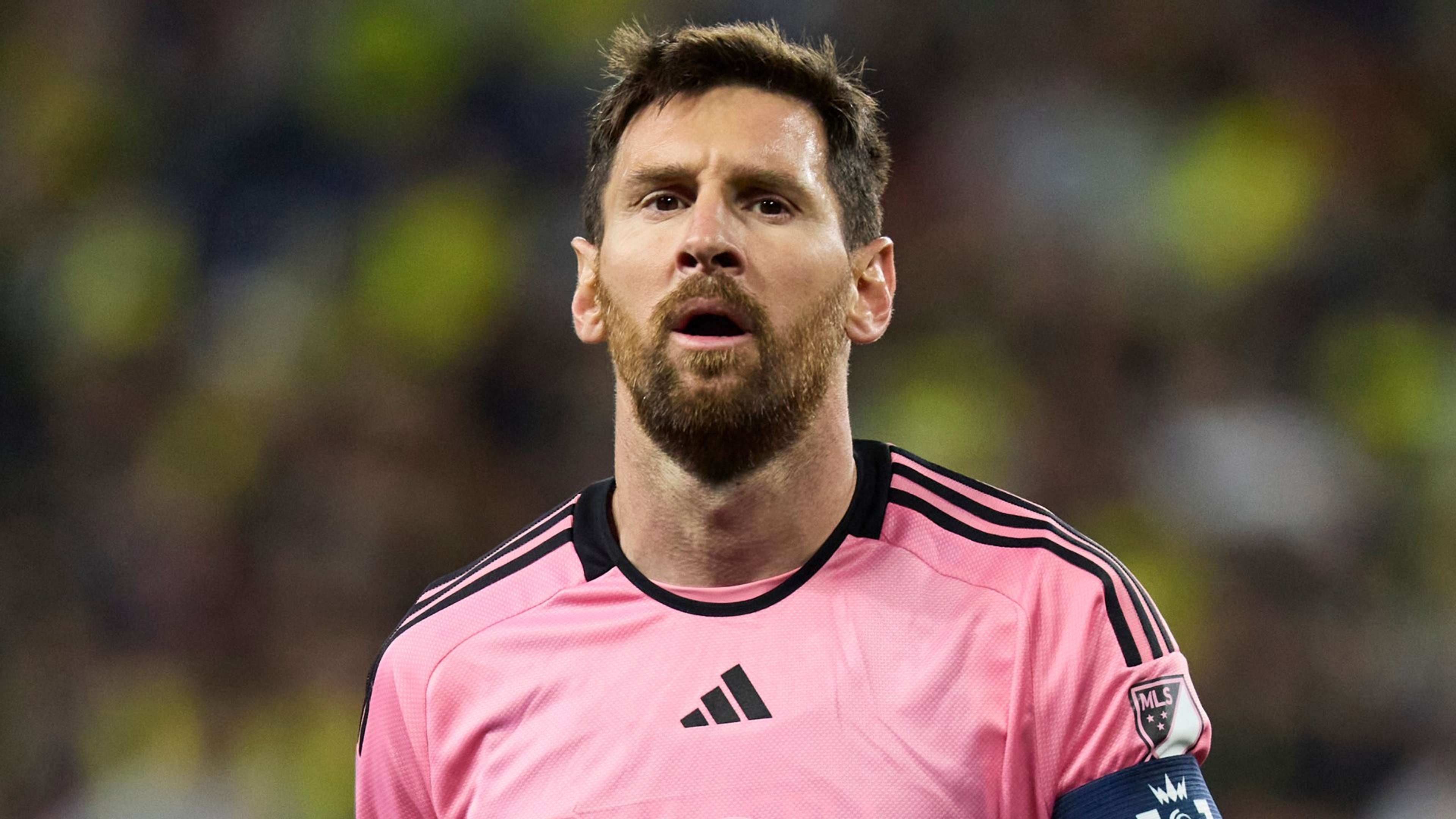
Inter Miami is walking into a tactical nightmare in the 2026 Champions Cup
2 months, 1 week ago
Liga MX is running out of time to stop the MLS takeover
2 months, 1 week ago
Liga MX is running out of time to stop the MLS takeover
2 months, 1 week ago
LAFC and Inter Miami are turning the Champions Cup into a high-stakes vanity project
2 months, 1 week ago