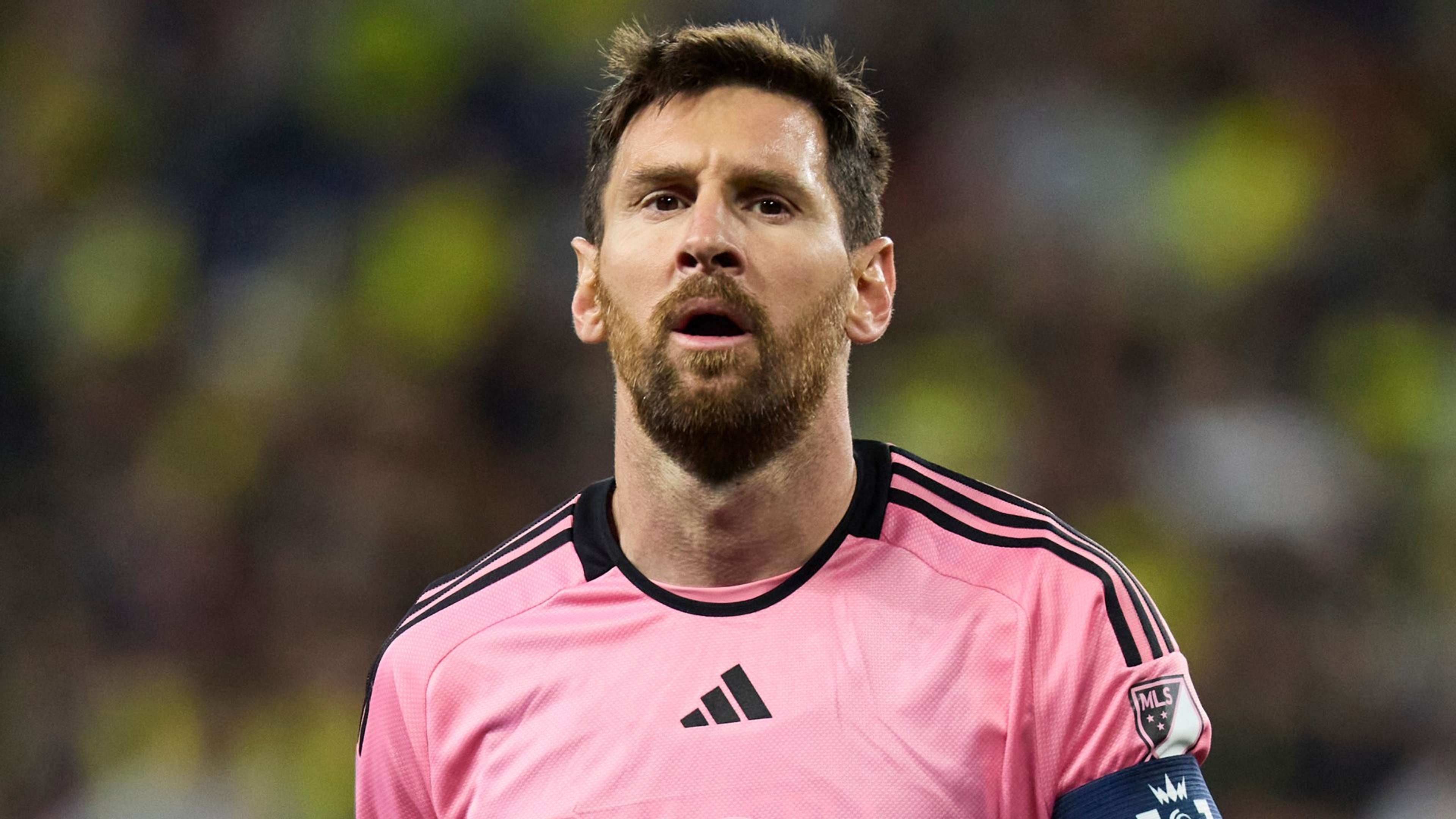
The Clock is Ticking in South Beach
It’s strange to think about Lionel Messi in the twilight, but 2026 feels like the definitive end of an era. The World Cup is coming to North America, the hype machine is in overdrive, and Inter Miami are staring down the barrel of a defining season. They have sold enough pink jerseys to last a lifetime. Now, the singular focus must be securing an MLS Cup before the greatest player of a generation decides to call it quits.
Since his arrival, Messi has turned the league upside down, but regular-season dominance only gets you so far. The playoff format is an unforgiving meat grinder, and Miami’s defense has often looked like a leaky roof in a Florida hurricane. We saw the cracks last year, and ignoring them won't make them disappear. You don't win championships by simply outscoring opponents 4-3 every weekend, especially in the grueling autumn months of MLS.
Opposing coaches have had years to watch the tape now. They know the patterns. They know Jordi Alba is going to overlap, they know Sergio Busquets is going to drop deep to dictate tempo, and they know Messi is going to drift inside to find that killer pass. The shock factor is completely gone. Now, it's about execution against teams that are willing to sit back and dare Miami to break them down.
The Tata Martino Dilemma
Let's talk about the elephant in the room: tactical rigidity. Tata Martino has a squad built for highlight reels, but in knockout football, you need grit. When you have Busquets and Alba pushing up, the transition defense looks agonizingly slow. Opposing coaches aren't starstruck anymore; they’ve figured out that pressing Miami’s backline creates chaos.
There was a moment late last season where Columbus Crew absolutely dismantled them on the counter. It wasn't a fluke. It was a blueprint. If Miami expects to march to the MLS Cup on pure vibes and Messi magic, they're going to get a rude awakening come November. Wilfred Nancy exposed them tactically, pulling their centerbacks wide and exploiting the massive gaps left in the middle of the pitch.
Martino has to find a Plan B. When the slick passing isn't working on a bumpy pitch in the midwest, what is the identity of this team? Do they have the legs to grind out a 1-0 result? History suggests they don't. The reliance on individual brilliance over a cohesive pressing structure is a glaring weakness that smart teams will punish mercilessly.
Can the Supporting Cast Step Up?
Luis Suárez has defied logic with his output, but relying on an aging striker whose knees are held together by hope and medical tape is a massive gamble. The Uruguayan has been clinical, but expecting him to play 90 minutes twice a week in a condensed schedule is managerial malpractice. The real key to 2026 lies with players like Diego Gómez and Tomás Avilés. They need to do the dirty work, the running that the veterans simply cannot do anymore.
Miami’s front office has thrown money at the problem, but roster rules in MLS mean you can't build a Galácticos squad without sacrificing depth. When injuries inevitably hit, the drop-off from the starting XI to the bench is alarming. You can't replace the IQ of a Busquets or the finishing of a Suárez with a minimum-salary academy product and expect the same results.
The midfield engine room desperately needs an upgrade. Someone who can break up play and cover the acres of space left behind by the attacking stars. Without that defensive anchor, every transition opportunity for the opposition feels like a five-alarm fire. You can see the panic in the defenders' eyes when they are isolated 1-on-1 with pacey wingers.
The Pressure of the World Cup Window
The overarching narrative of 2026 is impossible to ignore. The World Cup is looming large, and Messi's every move is being scrutinized globally. There is an undeniable urgency here, a feeling that this is the final ride before international duty takes over completely. Will his focus drift as the summer approaches? It's a valid question for a player who has won everything there is to win at the club level.
Inter Miami ownership went all-in for this specific window. They mortgaged their future draft picks, bent the salary cap rules to their absolute limit, and built a brand that is famous around the world. But brands don't win trophies. Teams do. And right now, Inter Miami feels more like a traveling circus than a robust, tournament-winning football team.
They have the talent, obviously. But talent without structure is just entertainment. The fans showing up to Chase Stadium expect a coronation, but the reality of MLS is far more brutal. The travel is exhausting, the climate variations are extreme, and the parity ensures that no team is ever truly safe.
The Final Verdict
Everybody wants the fairytale ending. A Messi masterclass in the MLS Cup Final in front of a sold-out crowd right before the World Cup. But football rarely scripts perfect endings. The Eastern Conference is a bloodbath, and teams like FC Cincinnati and the Columbus Crew are built specifically to ruin Miami's party. They have the athleticism and tactical discipline to frustrate Martino's side.
If they win it, it’ll be a monumental achievement that cements his legacy in the States. It would validate the grand experiment. But if they fail, questions will rightfully be asked about whether this entire project was just a spectacular, expensive vanity exercise. 2026 is make-or-break, and the pressure is entirely on South Florida. The rest of the league is just waiting for them to slip up.
Read Next
- Inter Miami and LAFC are on a collision course for MLS Cup 2026
- LAFC are staring down a 2026 rebuild they aren't ready for
- MLS isn't ready for the 2026 World Cup spotlight
- The Galaxy's grip, San Diego's sophomore slump, and the chaotic 2026 MLS Western Conference
- 🇦🇷 Argentina World Cup 2026 — Defending Champions Hub
- ⚽ MLS 2026 Season Hub — World Cup Year Guide