The icons that changed the game
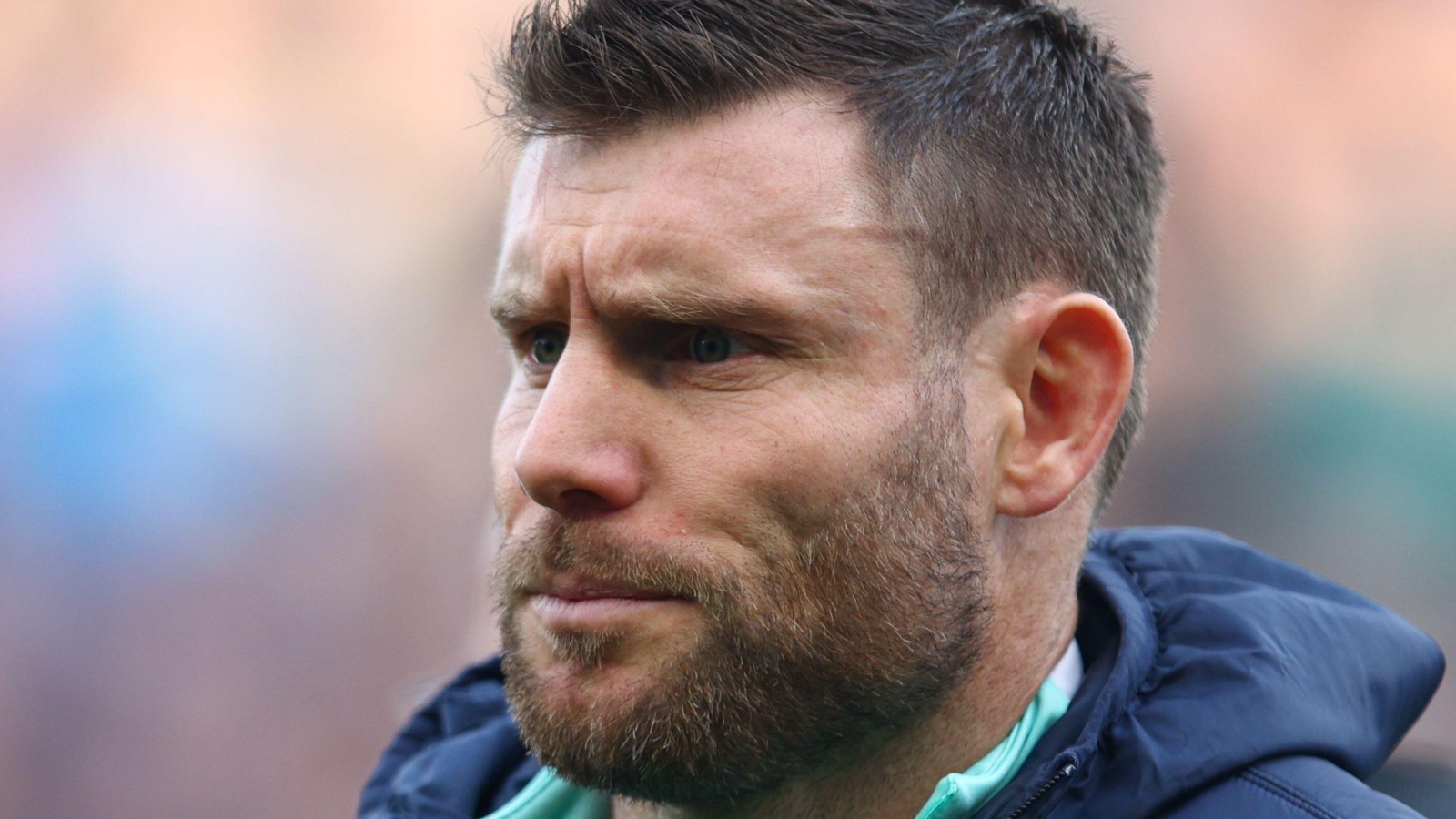
The English game has shifted dramatically over the last two decades, driven by professionals who prioritize longevity and tactical versatility. With James Milner officially hanging up his boots today following a record-setting career at Brighton, we are looking back at the players who truly dictated the flow of this era.
This list identifies the stars who defined their clubs and the league. These are not just names, but players who acted as force multipliers for their managers.
1. James Milner
The undisputed king of longevity. Having just finished his final campaign at Brighton, Milner retires as the Premier League's all-time appearance leader. He started as a raw winger at Leeds, transformed into a technical juggernaut at Manchester City, and became a tactical utility knife under Jurgen Klopp at Liverpool.
His ability to play across every midfield position and even inverted fullback makes him the most versatile player in league history. He leaves the game with 650 appearances, a record that likely stands for decades. His retirement, as reported by Football365, marks the end of a bridge between the old guard and the modern tactical machine.
2. Kevin De Bruyne
De Bruyne is arguably the most efficient playmaker the league has ever seen. His delivery from the half-space is a choreographed weapon that ruins opposing defensive shapes. Since joining Manchester City, he has mastered the art of the 25-yard assist.
He ranks above others because he forces managers to build entire defensive plans around one man. He does have a tendency to go quiet in high-intensity European ties, but his domestic output is statistically unmatched in the modern era.
3. Mohamed Salah
Salah redefined the role of the inverted forward in England. Since moving to Anfield, he has consistently defied expectations of what a winger could provide in terms of goal volume. He is the ultimate wide-threat who operates like a number nine.
His physical durability is his greatest strength, rarely missing time due to injury. He is the primary reason the league transitioned into a high-pressing offensive environment.
4. Virgil van Dijk
Before Van Dijk, the defensive role was about grit and clearance. He turned it into a position of luxury and transition control. His long-range distribution to the flanks acts as Liverpool’s primary outlet in transition.
While his speed has naturally declined since his major knee injury, his positional IQ remains untouchable. He ranks here because he is the rare defender who changes the betting odds just by being on the team sheet.
5. Harry Kane
Kane is the definitive center-forward of his generation. He possesses the vision of a deep-lying playmaker and the clinical finish of a traditional striker. His ability to drop into the #10 space creates unsolvable dilemmas for central defenders.
The criticism? He never secured significant silverware in England, which hampers his legacy relative to the serial winners on this list. However, his individual scoring record is monumental.
6. Ilkay Gundogan
The silent conductor of Pep Guardiola’s most successful sides. Gundogan possessed the rare ability to score a clutch goal at Anfield or carry the ball through a stagnant midfield block with composure. He made those around him play faster.
He is underrated because he lacked the flash of his peers. Yet, his tactical discipline was the reason Manchester City maintained composure during trophy-winning runs.
7. Bernardo Silva
Silva is the most technically gifted ball-carrier in the country. He can operate in a phone booth, weaving out of double teams to restart an attack. His work rate off the ball is what separates him from standard creative midfielders.
He ranks lower only because his goal-scoring output fluctuates year to year. His defensive dedication, however, is a model for younger players.
8. Son Heung-min
Son is the most clinical finisher in rapid-fire transitions. When he picks up the ball on the left, the result is almost always a shot on target. He has carried massive offensive burdens for Tottenham for nearly a decade.
He is limited by playing in volatile squads that rarely compete for the title. Despite the lack of collective trophies, his individual consistency is elite.
9. Bruno Fernandes
Fernandes is a high-risk, high-reward engine who effectively carried Manchester United for several seasons. His passing range is absurd, often attempting the impossible diagonal ball that opens up low blocks.
His major flaw is a reliance on emotion, which occasionally clouds his judgment during losing efforts. He is a polarizing star, but his impact on the scoreboard is undeniable.
10. Trent Alexander-Arnold
He is the first true quarter-back of the modern fullback era. His shift in scope has forced every premier club to rethink the role of their defensive wide players. His cross-field switches are among the best in world football.
He ranks last because his defensive shortcomings are glaring, particularly when isolated in space. He is a glorious offensive asset who remains a liability in static defensive setups.
The Big Picture
Today marks the closing of a chapter as Mirror Football confirms the departure of a true league icon. The list highlights players who prioritized utility and output over branding, an essential trait for sustained success in England's grueling schedule.
Honorable Mentions
It is worth noting the struggle of others, such as Fabio Borini, who was recently released by Salford City following their play-off defeat. Phil Foden and Rodri narrowly missed the cut but will undoubtedly define the next five years of the conversation. These lists are fluid by nature, but the departures of today confirm we are entering a new cycle of talent.