The anatomy of a defensive collapse
Four months. That is exactly how long Liverpool have navigated domestic and European football without their £125 million structural focal point, Alexander Isak. It is also the exact period in which Arne Slot’s tactical framework has degraded from an aggressive, high-pressing machine into a passive, reactive block.
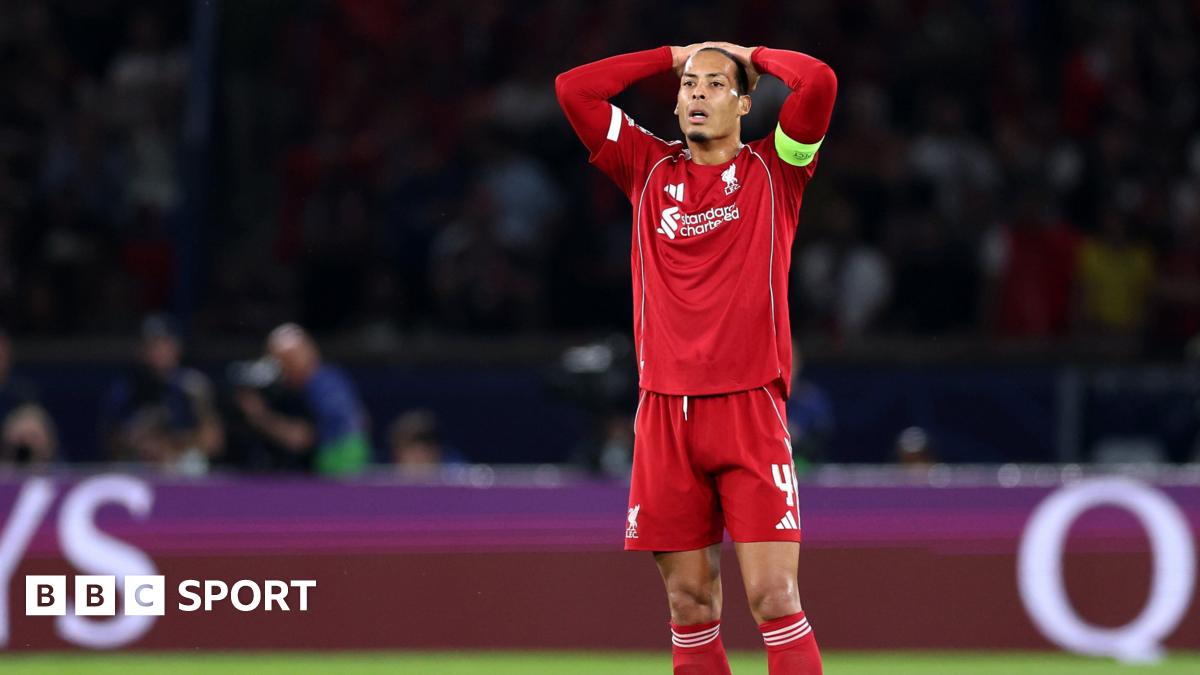
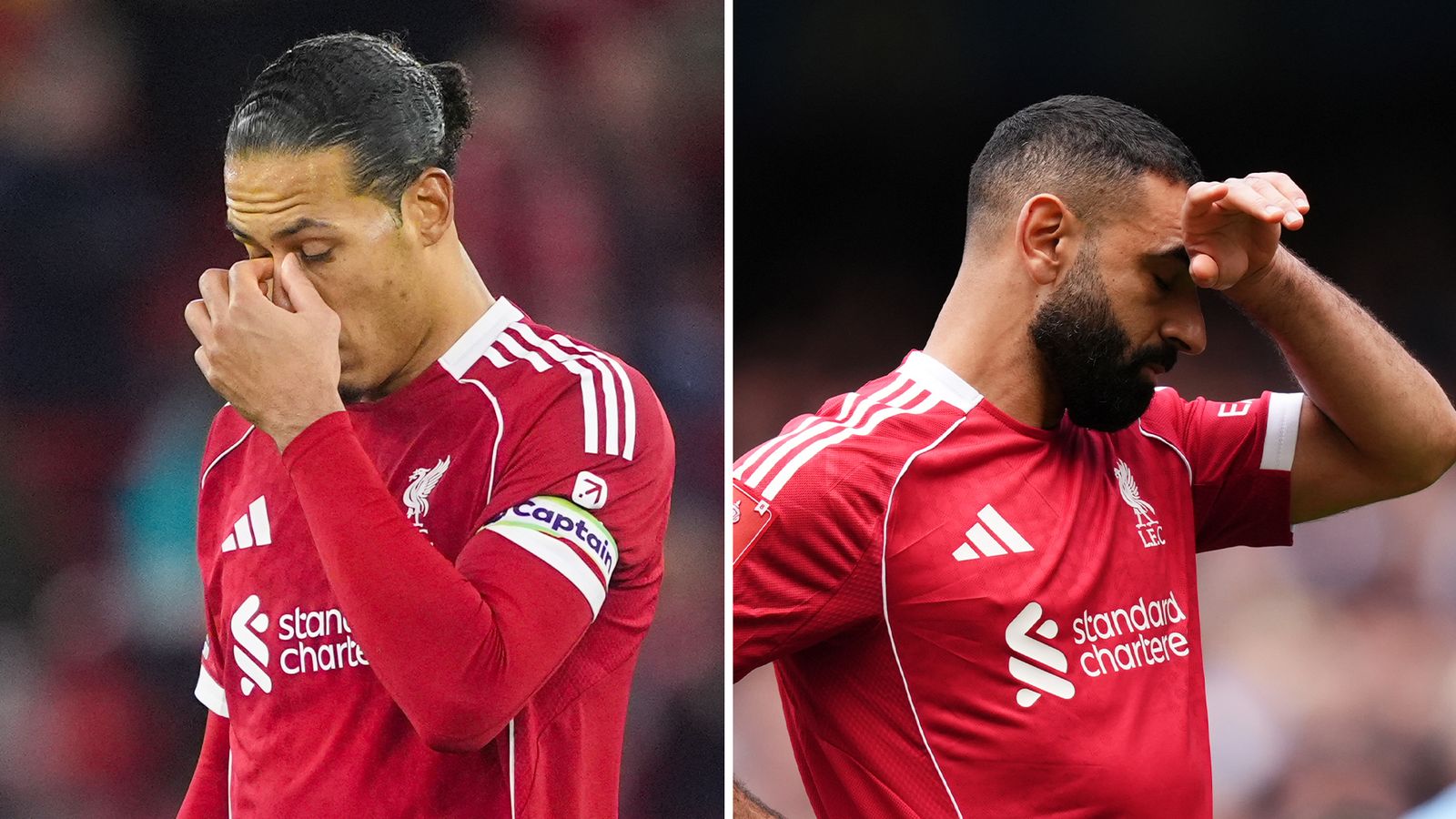
The fallout from their recent domestic humiliation is still dominating the discourse on Merseyside. When Virgil van Dijk publicly stated that his teammates simply "gave up" during their FA Cup defeat to Manchester City, it sent shockwaves through the fanbase. It was a brutal, highly critical assessment of a squad built on high-intensity resistance.
Florian Wirtz quickly attempted to douse the flames. The German playmaker publicly denied the accusation, insisting the dressing room remains entirely behind their under-fire manager. But verbal reassurances mean very little when the defensive tape is this damning.
Slot himself delivered a brutal reality check before the squad flew to Paris. He warned his players that if they repeat the lack of application shown in that FA Cup drubbing, Paris Saint-Germain will easily put another four goals past them. That is not typical managerial deflection. It is an honest assessment of a deeply flawed defensive block.
The missing £125m trigger
You cannot remove a massive structural linchpin and expect the pressing traps to operate at the same velocity. Isak is not just a volume shooter. He is the primary line of engagement in Slot's high-intensity system.
When the Swedish forward initiates the press, he dictates the angle of the opposition's build-up. His absence over the last four months has completely altered how Liverpool defend from the front. The secondary forwards simply do not process the pressing triggers at the exact same speed.
A half-second delay at the top of the pitch is fatal against elite European opposition. It allows defensive midfielders to turn. It forces Liverpool's own midfield line to retreat rather than jump. That creates a massive, exploitable void between the lines, which Manchester City ruthlessly exploited.
An elite investment demands returns in the biggest games. Isak was bought specifically for nights like Wednesday at the Parc des Princes. He possesses the raw pace to stretch a high defensive line and the technical composure to link play under extreme pressure. Without him, Liverpool have been forced to rely on makeshift attacking solutions.
None of those alternatives possess the requisite gravity to occupy two world-class centre-backs simultaneously. The opposition defence can afford to step ten yards higher up the pitch. That exact tactical shift is why Liverpool’s midfield has been overrun so consistently in recent weeks.
Isak is now back in training. Slot confirmed he could return off the bench against the French champions. But expecting a player who has missed a third of a year of high-level football to instantly fix a broken structural foundation is an enormous gamble.
The Parisian blueprint and the Chelsea template
If Slot wants a realistic strategy for surviving the first leg, he needs to swallow his pride. Last year, when these sides met, the Dutch manager was swept up in the emotion of an open, end-to-end contest.
"I hope every fan around the world was hoping this game wouldn’t stop because it was incredible," Slot noted recently.
He openly plans to go toe-to-toe with them again. That approach borders on tactical suicide right now. The defensive numbers simply do not support an open, expansive gameplan against a side possessing PSG's terrifying transitional speed. Instead, Slot should be looking at the defensive masterclass executed in the French capital just last month.
Before travelling, Liverpool's analytics department will have exhaustively reviewed the tape of Liam Rosenior's shock success in Paris. The Chelsea manager provided the exact blueprint for nullifying PSG in their own stadium, leaving Slot with three non-negotiable instructions:
- Abandon the high press and compress the pitch vertically in a rigid mid-block.
- Force the Parisian centre-backs to distribute wide, entirely blocking central passing lanes.
- Refuse to commit full-backs forward in transition, keeping a minimum of four players behind the ball.
Chelsea did not try to press high. They allowed the Parisian defenders to have the ball, executing those exact three principles. It was ugly, cynical, and ruthlessly effective.
Rosenior’s disciplined setup is even more impressive given his current squad building. He is actively retooling the side, having just agreed a controversial six-year deal for a Brighton flop as his very first signing. Yet, he still managed to organise his team well enough to secure a result in Europe's most intimidating arena.
90 minutes of total concentration
Slot’s demands for Wednesday night are singular and absolute. He has explicitly stated that his team has no chance unless they turn up for a full 90 minutes. He knows his team has developed a fatal habit of switching off during critical phases of the game.
"We've become quite experienced in negativity," Slot admitted ahead of the trip to Paris.
The confidence is clearly shot. Going toe-to-toe in this fragile mental state is a recipe for a first-half collapse.
If the full-backs push high and turn the ball over, PSG will isolate Liverpool's centre-backs in wide areas. Van Dijk cannot cover the entire defensive third alone. The midfield has to sit deeper and offer rigid protection.
Slot’s public insistence on an attacking gameplan is either an incredible bluff or a sign of tactical stubbornness. Elite managers know when to adapt. During his tenure, Slot has earned praise for his offensive architecture, but tournament football is decided by defensive solidity.
You do not survive a knockout tie by trading blows with a team that has superior attacking personnel. You survive by denying them space, frustrating their wingers, and punishing them on the counter. If Slot genuinely attempts an open gameplan without his primary forward fully fit, he is inviting a historic humiliation.
The €100m solution for a crumbling midfield
The harsh reality is that this current iteration of Liverpool is reaching the end of its tactical cycle. The midfield engine room requires an aggressive, structural overhaul in the summer. This is precisely why the scouting department is looking toward Germany.
Liverpool and Manchester United are currently locked in a fierce battle to secure Yan Diomande. The numbers attached to the teenager are absolutely staggering. He is a 19-year-old defensive prodigy carrying a massive €100m price tag.
The context of his rapid rise makes that valuation even more absurd. Just three years ago, Diomande was playing fourth-tier amateur football in the United States. He famously slipped entirely through Rangers' grasp before establishing himself in Europe.
Today, he is a Bundesliga record-breaker. He is the exact profile of destructive, high-volume ball-winner that Slot's system is desperately crying out for. Florian Wirtz is an elite creator, but he cannot orchestrate the attack and cover the defensive transitions simultaneously.
Diomande represents the market premium on functional athleticism. When your pressing structure breaks down, you need a recovery monster who can win duals in large open spaces. Liverpool’s current midfielders simply do not have the physical capacity to do that anymore.
Paying a massive premium for a player who was effectively outside the professional pyramid recently is an enormous risk. But the modern market dictates these fees. The gap between elite holding midfielders and average ones is the difference between challenging for the title and suffering humiliating domestic drubbings.
His ability to anchor a midfield would allow players like Wirtz to operate ten yards further up the pitch. It would reduce the immense defensive burden currently placed on Van Dijk. Most importantly, it would give Slot the structural safety net he needs when the initial press is bypassed.
The brutal truth of the away dugout
The pressure is mounting across the English managerial circuit. Ray Parlour recently claimed Frank Lampard "couldn't turn down" a shock return to the Premier League. But nowhere is the heat more intense right now than on Arne Slot in Paris.
The contrast in stability within the top clubs is striking. While Liverpool navigate this crisis of confidence, their domestic rivals are securing results across all fronts. Just this week, Chelsea’s women’s team ground out a late winner against Spurs to set up a massive FA Cup semi-final against Manchester City. That ability to find a way to win, even when the underlying performance is unconvincing, is exactly what Liverpool are currently lacking.
Chelsea’s men mirrored that resilience in Paris last month. Liverpool, conversely, collapse at the first sign of adversity. This first leg is defining Slot's entire season.
A heavy defeat will validate Van Dijk’s brutal assessment that the squad has lost its fight. A disciplined, pragmatic performance will buy him time to integrate Isak back into the starting eleven. But a repeat of the recent disaster will leave Liverpool with an impossible mountain to climb in the second leg.
They cannot afford to play the role of the entertaining losers this time. The stakes are simply too high for tactical purity. The romanticism of last year’s incredible clash must be entirely abandoned.
If Liverpool want to keep their European campaign alive, they have to embrace the suffering. They have to execute for ninety minutes, keep the back door shut, and pray the structural cracks do not splinter under the Parisian lights.
Read Next
- Real Madrid left reeling as Bayern show them who is boss
- The internet is losing its mind over the Champions League quarterfinals
- Arne Slot and Virgil van Dijk are already clashing at Anfield
- Liverpool and United play injury roulette before the Champions League returns
- ⭐ UCL 2026 — Champions League Quarter-Finals Hub