The greatest show on earth arrives in the States
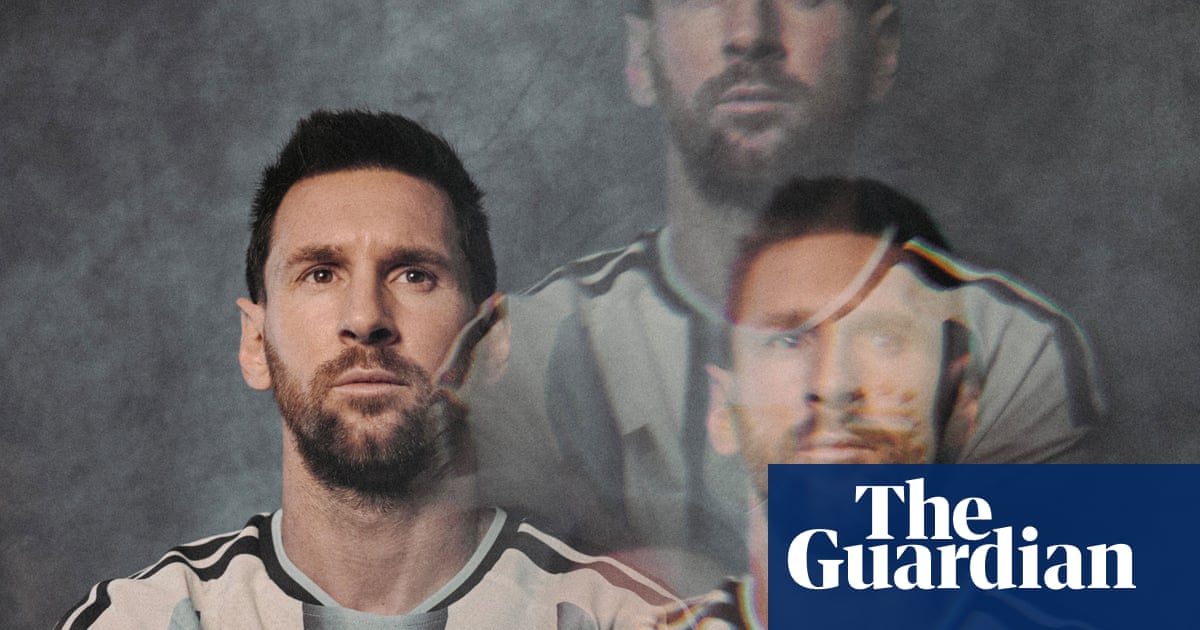
Lionel Messi is back in the United States, and the collective consciousness of American soccer fans just hit a fever pitch. We all knew this day was coming, but seeing the headlines confirm his international curtain call on home soil feels like watching a legend do a victory lap around the stadium. It is not just about the marketing machine kicking into high gear; it is about the genuine, terrifying realization that this is the final boss of footballing history taking his last bow.
As The Guardian reported, this is a gift for a domestic audience that has spent three decades playing catch-up with the rest of the world. You have the purists losing their minds over ticket prices, the MLS diehards trying to act like this doesn't shift the entire focus of the league, and the casuals ready to pay a month's rent for a glimpse of the man who turned football into a religion. It is messy, it is loud, and it is exactly what this sport needs after a decade of slow-burn growth.
The forum divide: Legends vs. Cynics
Head over to any major online football community right now and you will see a war zone. One faction is out here treating this like a religious pilgrimage. You see posts about how the 30 yards distance for his iconic free kicks is a spiritual experience, regardless of whether he actually finds the back of the net or hits the crossbar. These folks are the reason the stadiums will be packed to the rafters on match days.
Then you have the contrarians lurking in the sub-threads. Their argument? We are past the point of peak performance. They will point to his age, the heavy, humid mid-summer scheduling, and the fact that an international tournament return creates a logistical nightmare for club managers. They want to talk about how the hype machine is sucking the oxygen out of the room for rising stars like the ones we saw in the recent Arlington spectacle where Japan nearly gave the Dutch a heart attack.
The skeptics are particularly vocal about the "circus" aspect of it all. One top-rated argument on a major board suggests that prioritizing a farewell tour over roster development is a recipe for a tactical disaster. They aren't wrong that building a team around a single aging superstar—no matter who that superstar is—leaves you vulnerable to a high-pressing side that doesn't care about your historical trophies.
The reality check
Here is the truth: the skeptics are arguing from a position of tactical superiority, but the enthusiasts hold all the cards when it comes to the soul of the sport. You don't bring in a talent like this to run a perfect 4-4-2. You bring him in to fill seats and to show the next generation of American kids what it looks like when a human being interacts with a ball the way Mozart interacted with a piano.
Is the defensive organization going to suffer? Absolutely. You can't have a luxury player without paying the tax, and that tax usually comes in the form of getting toasted on the counter-attack when your legs aren't what they were at age 25. That said, the argument that this is bad for US soccer is an elitist take that ignores the reality of how sports growth actually works. You need the spectacle to get the eyeballs.
Ultimately, the stronger argument lies with those who recognize this as a fleeting moment in time. We see the impact of global stars in major markets time and time again; they change the internal culture of a locker room just by walking through the door. If this ends in a trophy or a spectacular collapse, it really doesn't matter. The fact that the story is being written here, under our lights, is the win.
Whether he's still got the wizardry to break down a low block or if he's relegated to set-piece cameos, the atmosphere of this summer will be dictated by his presence. If you're complaining about the spectacle, you're missing the point. Soccer is theater, and the lead actor just showed up for the final act. Sit back, stop analyzing the defensive transitions for five minutes, and just watch the guy play.
Read Next
- The 4-4-2 resurgence is stalling in this World Cup
- Spain vs Cape Verde is already the weirdest matchup of the World Cup
- Technology in the World Cup is finally moving past the guessing game
- Germany flexes muscle as World Cup tension mounts in Dallas
- 🇦🇷 Argentina World Cup 2026 — Defending Champions Hub