The geometry of a dressing room revolt
The modern football dressing room is less a brotherhood and more a fragile coalition of competing interests. When a manager's tactical system aligns with a star player's physical peak, you get titles. When those lines diverge, you get an Instagram post that effectively acts as a vote of no confidence.
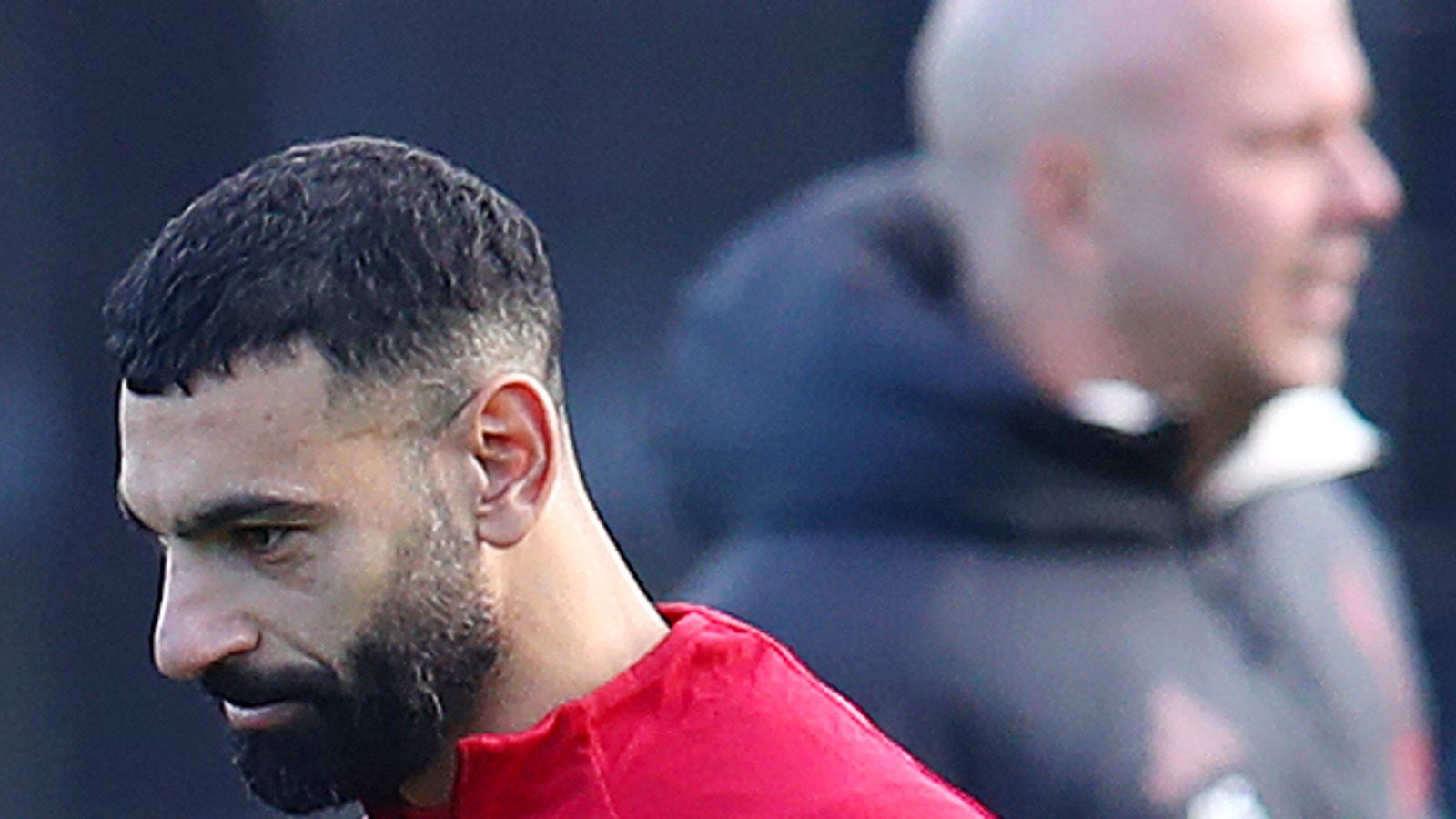
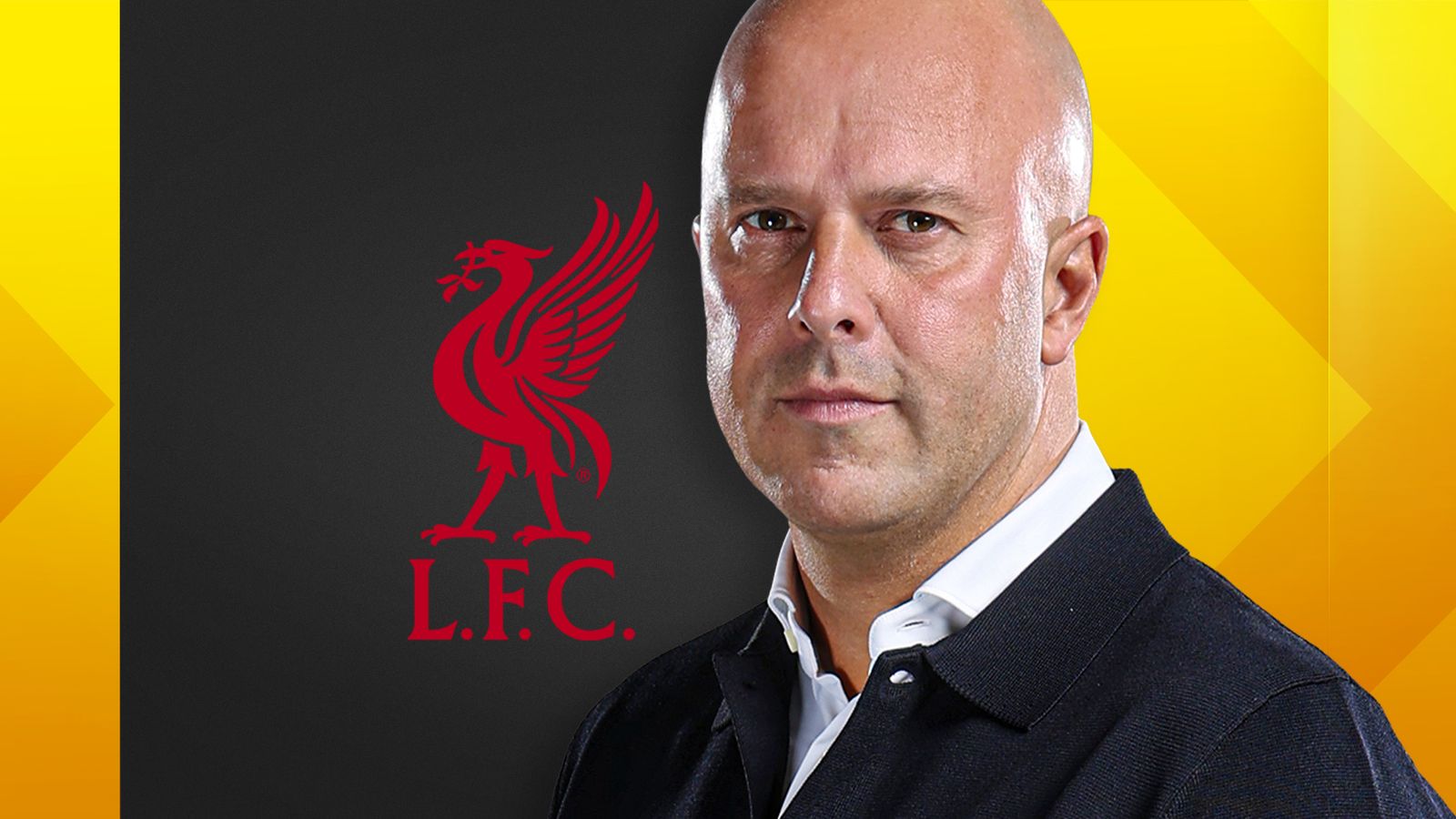
That is exactly where Liverpool find themselves ahead of their season finale against Brentford. The impending departures of Mohamed Salah and Andy Robertson should be occasions for unabashed celebration. Instead, the buildup is dominated by a reported civil war between the club's greatest Premier League goalscorer and its embattled head coach.
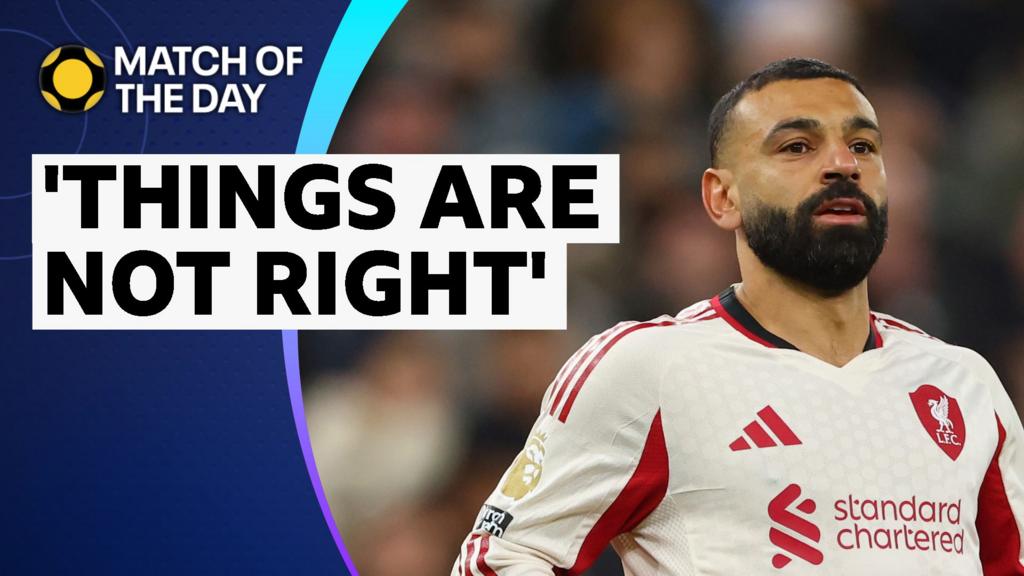
According to The Daily Mail, Salah's recent social media activity questioning Liverpool's style of play under Arne Slot has split the dressing room. Wayne Rooney's assessment on the BBC was brutally direct:
If I was Slot I'd have Salah nowhere near the stadium.
Gary Neville disagreed, but the fact we are debating whether a club legend should be banished on his final day tells you everything about the current mood at Anfield.
Why the metrics explain the misery
To understand why this relationship fractured, you have to look past the personalities and examine the passing networks. Salah is a product of chaos. His peak years under Jurgen Klopp were defined by devastating transitions and vertical passes played early into the channels. He didn't just break the record for goals in a 38-game season with 32 strikes in 2017-18; he redefined the geometry of the right wing.
Slot is a manager who demands total control. His Feyenoord side won the Eredivisie in 2022-23 by suffocating opponents with 62% possession and a methodical build-up structure. He brought those same principles to Merseyside, but tactical copy-and-paste rarely works at the elite level. The problem is that methodical build-up neutralises a 33-year-old forward whose primary weapon has always been explosive, early runs behind a high defensive line.
When a team prioritises keeping the ball over risking it, the wide forwards receive possession to their feet against set defences, rather than in space against retreating ones. For a player accustomed to taking three touches before shooting, being asked to recycle possession 15 times a half is a source of intense frustration. The metrics highlight this shift clearly. Salah's touches in the defensive third have likely increased under Slot, pulling him away from the penalty area where he has scored over 200 goals for the club.
Mark Schwarzer and Dion Dublin noted on the BBC that Salah's statement points to a distinct lack of harmony. It is the frustration of a man who knows his physical window is closing, trapped in a system that doesn't maximise his remaining strengths. You do not survive at the top of the Premier League for nearly a decade without an ego. When a manager asks a prolific scorer to become a high-retention cog in a possession machine, pushback is inevitable.
When systems swallow superstars
Football history is littered with managers who tried to force aging superstars into rigid tactical frameworks. The success rate is shockingly low. You cannot take a forward who has spent nearly a decade operating on instinct and suddenly ask him to become a glorified metronome.
Consider the sheer volume of Salah's output since arriving in 2017. He hasn't just been a goalscorer; he has been an entire attacking system. In his peak seasons, he consistently registered over 130 shots per campaign, with a significant percentage coming from fast breaks. He averaged nearly 10 penalty area touches per 90 minutes.
When you examine Salah's heatmap from his peak years, it glows deep inside the right half-space. He was the ultimate beneficiary of Roberto Firmino's false-nine movements, which dragged centre-backs out of position and created isolated lanes for Salah to attack. Slot's system does not use a false nine. It relies on a traditional focal point to pin the defensive line, forcing the wingers to stay wide and stretch the pitch laterally.
This fundamental shift means Salah is receiving the ball facing multiple defenders, rather than running onto passes behind them. For a forward who built a career on instinct and explosive speed, being asked to become a static playmaker on the touchline is a waste of resources. His shot volume drops. His expected goals per 90 drops. His frustration, inevitably, rises.
A history of dropped points and dropped players
This isn't the first time the tension has bubbled over. The Guardian reports that Slot dropped Salah for a massive Champions League trip to Inter Milan in December following a previous attempt to undermine the coach. That was a massive gamble by the manager, one designed to establish undisputed authority.
It clearly didn't work. If the dressing room was completely bought into Slot's methods, a dissenting voice would be isolated. Instead, reports of a split suggest the manager's tactical compromises have not convinced everyone. When you are fighting just to secure Champions League qualification on the final day of the season, tactical doubts quickly morph into full-blown mutiny.
The underlying numbers for Liverpool's attacking output this spring tell a grim story. The volume of high-quality chances created from quick turnovers has plummeted. They are playing in front of defensive blocks, circulating the ball in a U-shape around the penalty area. This leads to sterile possession. Opponents are comfortable sitting deep, knowing Liverpool lack the central penetration to break them down without relying on moments of individual brilliance. But the system itself actively discourages the risk-taking required to produce that brilliance.
The collapse of the left flank
It is impossible to discuss Salah's struggles without looking at the opposite wing. Andy Robertson's impending exit marks the end of an era for the left flank. For years, Robertson's relentless overlapping runs forced opposition defences to shift horizontally, creating isolated one-on-one matchups for Salah on the right.
As Robertson has aged, his sprint distance and high-intensity running metrics have naturally declined. This has allowed opponents to defend narrower, squeezing the spaces Salah used to exploit. Slot's attempt to fix this by using inverted fullbacks and slower buildup has only compounded the issue. Without the chaotic, stretching runs of a prime Robertson, the pitch becomes significantly smaller for the right winger.
The result is a static attacking line. Defences no longer fear the early switch of play because they know Slot's system prefers a short, safe pass to retain the ball. The tactical evolution that was supposed to make Liverpool more resilient has instead made them entirely predictable.
The final day dilemma against Brentford
Now comes the impossible decision against Brentford. Liverpool have confirmed plans for special Anfield mosaics to honour Salah and Robertson. The club intends to give two foundational pillars of their modern era the send-off they deserve.
But Slot has a football match to win. Liverpool have just 1 game left to guarantee top-tier European football next season. Playing a disgruntled, openly critical forward in a must-win game contradicts every basic rule of man-management. Yet, dropping him risks turning a fractured atmosphere into an actively hostile one.
If Slot benches Salah, he risks the wrath of an Anfield crowd there specifically to say goodbye. If he starts him, he looks weak, effectively endorsing a player who has publicly questioned his competence. It is a tactical and political nightmare.
The fallout is not confined to the pitch. The Mirror noted that the dressing room has started to turn as the season concludes. A split squad is a dead squad in the Premier League. The physical demands of the division require total commitment to the defensive phase. If a manager's pressing triggers are ignored by even one player, the entire structure collapses.
The situation is so dire that FourFourTwo is reporting the Liverpool hierarchy will make a decision on Slot's future following urgent u-turn talks. The manager brought in to provide a smooth transition from the Klopp era might not even survive his first summer.
The math of an aging squad is always brutal. Robertson and Salah have countless miles on their legs. Moving on from them is statistically the right choice for a club trying to rebuild its pressing intensity. Elite clubs cannot afford sentimentality when the physical metrics of their star players begin to dip.
However, the execution of this transition has been disastrous. Liverpool's hierarchy gambled that Slot's structural rigidity could seamlessly replace Klopp's emotional intelligence. They assumed players accustomed to heavy metal football would quietly accept a slower, more restrictive sheet of music.
The resulting friction hasn't just ruined a farewell tour. It threatens to derail their immediate future. If they fail to beat Brentford, the financial and reputational hit of missing the Champions League will linger far longer than any farewell mosaic. Slot arrived with a reputation for tactical clarity, but his first season in England might be remembered solely for the mess he failed to clean up.
Read Next
- Arne Slot must bench Mohamed Salah for his final Anfield farewell
- Salah's frustration exposes Liverpool's tactical identity crisis
- Why Arsenal's clash with Burnley is a terrifying trap
- Michael Carrick is doubling down on Steve Holland’s technical safety net
- 🇪🇬 Egypt World Cup 2026 — Salah's Last Dance