The Etihad Implosion
You can talk about Pep Guardiola's inverted fullbacks all you want. When push comes to shove, Manchester City's Champions League exit was written the moment Ruben Dias mistimed a simple header in the 83rd minute of the second leg.
Real Madrid didn't even play well. Let's be entirely honest here—Carlo Ancelotti set his side up to survive, not to dominate. They sat deep, absorbed pressure like a sponge, and waited for City to get bored. The Spanish side registered a miserable 0.4 expected goals across the entire match. It was anti-football, wrapped in a pristine white shirt.
And bored they got. The decision to pull Rodri for an extra attacker with ten minutes left was a gamble that backfired spectacularly. One long ball from Eder Militao, one slip from Dias, and Vinicius Jr. was in. The finish was inevitable. City had 74% possession and absolutely nothing to show for it but a long summer of introspection. Guardiola overthought it, again, when a simple holding pattern would have forced extra time. You can't just throw forwards on the pitch and expect the opposition to fold.
Arsenal's Naivety Strikes Again
If you're an Arsenal fan, this one stings worse than the others. Bayern Munich wasn't the monster they used to be. Under Vincent Kompany, they've been wildly inconsistent in the Bundesliga, dropping points to mid-table fodder. They were infinitely beatable.
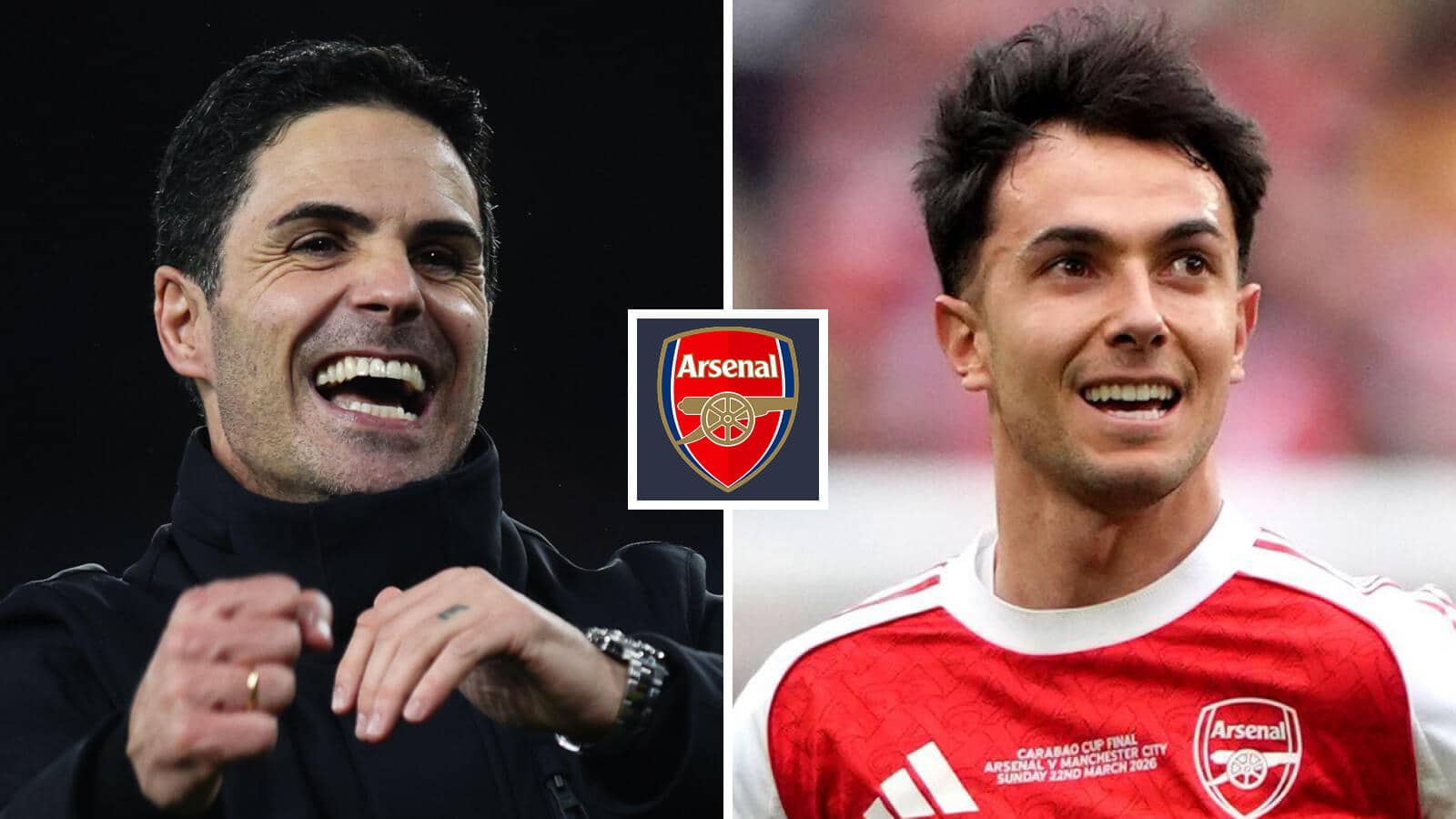
But Mikel Arteta's squad looked terrified of their own shadow in the Allianz Arena. The first leg at the Emirates gave them a false sense of security. Going into Munich with a slender lead meant they needed game management. Instead, they got exposed on the counter repeatedly.
Thomas Muller is 36 years old and runs like he's wading through wet concrete, yet he still found space between William Saliba and Gabriel Magalhaes for the equalizer. It’s indefensible. You cannot switch off for a split second against a team with that much European pedigree. The subsequent penalty shootout was merely a formality. Arsenal’s penalty takers looked defeated before they even stepped up to the spot. Bukayo Saka's tame effort was parried away with ease by Manuel Neuer, who barely had to dive. The mental fragility of this Arsenal side in Europe is a serious problem that Arteta refuses to address.
Inter's Masterclass in the Dark Arts
Everyone wanted the fairy tale. Everyone wanted Xabi Alonso's Bayer Leverkusen to keep the dream alive and march into the semi-finals after their historic domestic runs over the last two seasons.
Inter Milan simply didn't care. Simone Inzaghi engineered a defensive masterclass that would make Jose Mourinho weep tears of joy. They fouled, they wasted time, and they disrupted every single rhythm Leverkusen tried to establish in the midfield.
Was it pretty? Absolutely not. Was it effective? They won 1-0 on aggregate. Hakan Calhanoglu's penalty in the first leg was all they needed. Leverkusen spent 180 minutes banging their heads against a wall of black and blue shirts. Alessandro Bastoni put on a clinic in the dark arts, drawing three yellow cards from frustrated Leverkusen attackers who couldn't handle the physical provocation. It’s awful to watch as a neutral, but you have to respect the absolute cynicism of it. Inter knows exactly what they are, and they make no apologies for ruining your evening.
PSG Finally Learns to Suffer
For years, Paris Saint-Germain has been the punchline of the Champions League. A collection of expensive individuals who inevitably collapse at the first sign of real adversity in the knockout stages. The classic script was ready to be written.
This year, against a resurgent Barcelona, something actually clicked. When Lamine Yamal put Barca ahead early in the second leg at the Parc des Princes, you could almost hear the collective groan from the French capital. Here we go again. The ghosts of past humiliations were swirling.
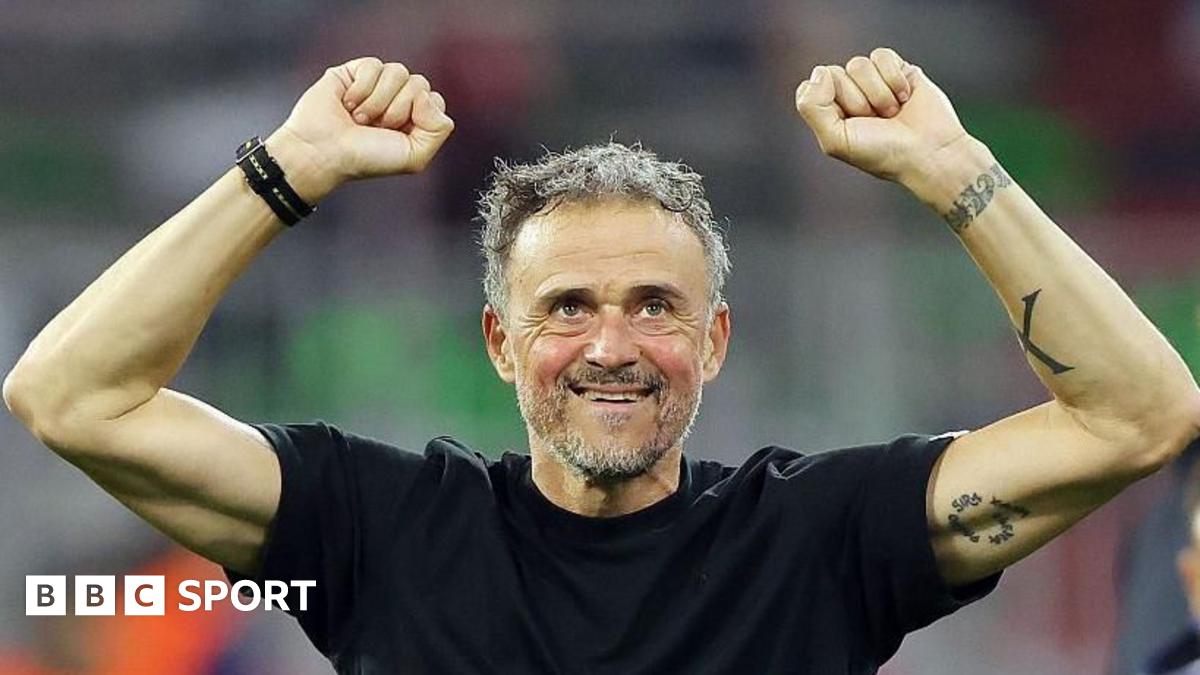
But Luis Enrique didn't panic. He adjusted. He moved Ousmane Dembele central, exposing Barcelona's lack of pace in defensive transitions. The resulting two goals weren't works of art, but they were gritty. Bradley Barcola dragged his defender thirty yards before smashing a low cross into the box for Randal Kolo Muani to tap in. PSG actually fought back, scrapped for loose balls, and held a narrow lead under immense pressure.
Gianluigi Donnarumma made four point-blank saves in the final ten minutes. It’s a terrifying prospect for the rest of the competition if PSG has finally discovered a spine. They aren't just relying on individual brilliance anymore; they are actually functioning as a cohesive, stubborn unit.
The Death of Possession
We are left with a final four that nobody completely predicted. Real Madrid, Bayern Munich, Inter Milan, and PSG. If the quarter-finals taught us anything, it's that sterile possession stats belong in the trash. Manchester City and Arsenal dominated the ball and got absolutely nothing for it.
Ruthlessness is the only currency that matters in April. The teams that advanced were the ones willing to suffer without the ball, willing to defend deep, and capable of striking with lethal precision when the opportunity presented itself. The 2025-26 Champions League isn't rewarding the purest football; it's rewarding the most cynical, street-smart operators left in the game.
Read Next
- Why Manchester City and Real Madrid are destined to ruin the 2026 final
- Arsenal will survive the Bernabéu but Man City are crashing out
- Real Madrid will lift the 2026 Champions League trophy
- Tactical chess or just boring? Why the 2026 UCL semis feel like a slog
- ⚽ La Liga 2025-26 — Title Race Hub
- ⭐ UCL 2026 — Champions League Quarter-Finals Hub