The Calculated Calm
The noise surrounding the Scottish Premiership right now is deafening. With the title race entering its final, chaotic weeks, the media is predictably whipping itself into a frenzy.
Every dropped point is treated like a catastrophe. Every minor injury is debated for hours on radio phone-ins. Yet, as the BBC rightly pointed out this week, everyone is hyping up the conclusion to the title race—except those actually involved.
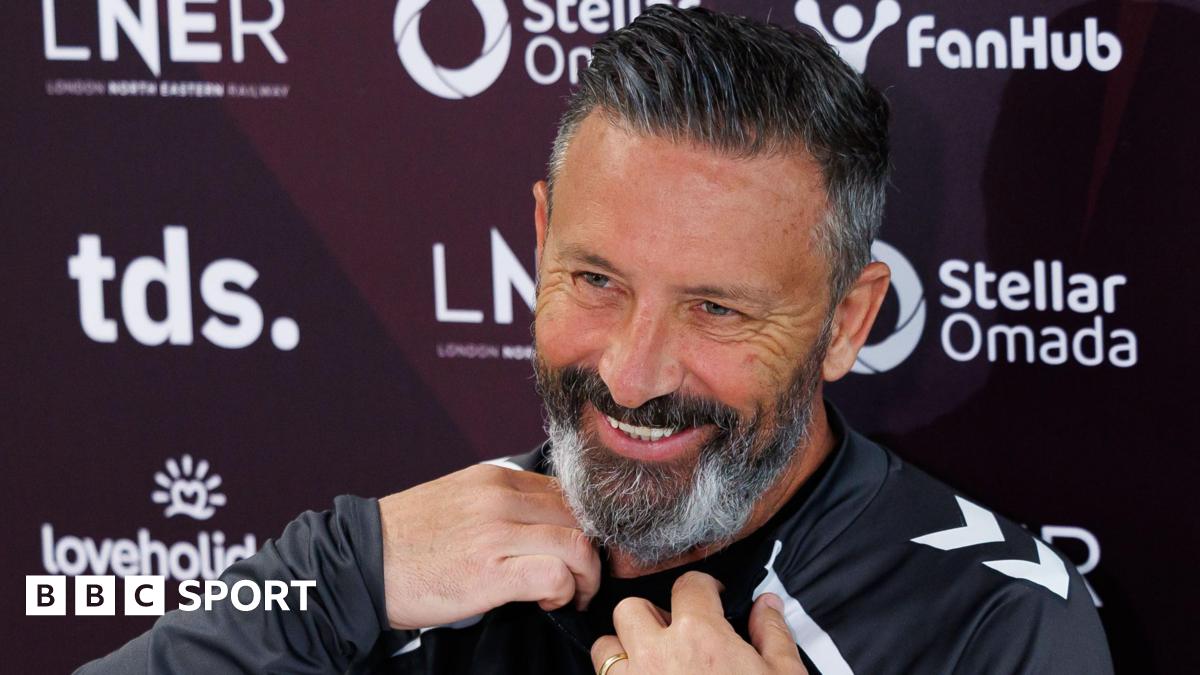
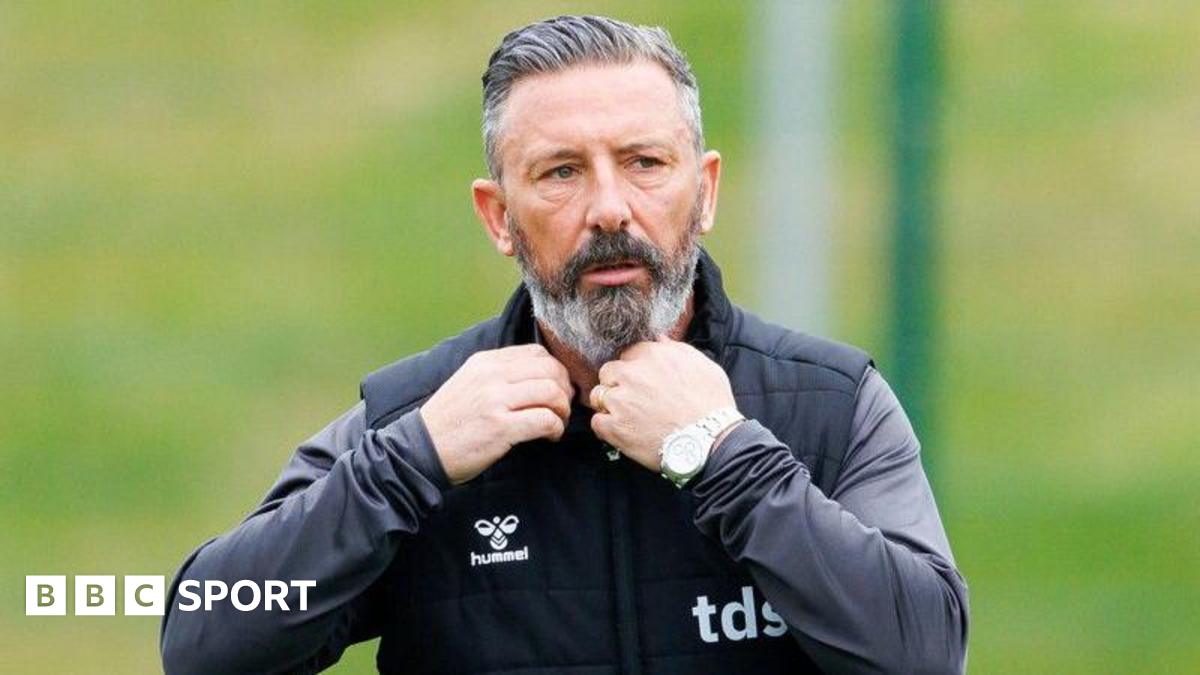
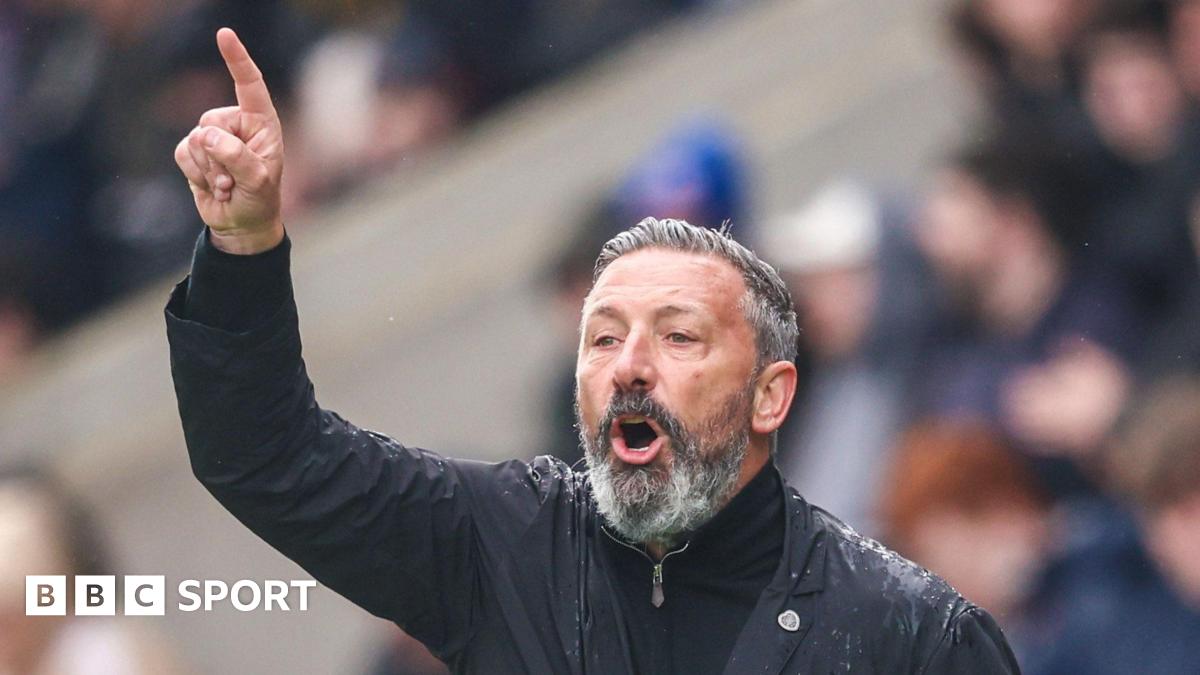
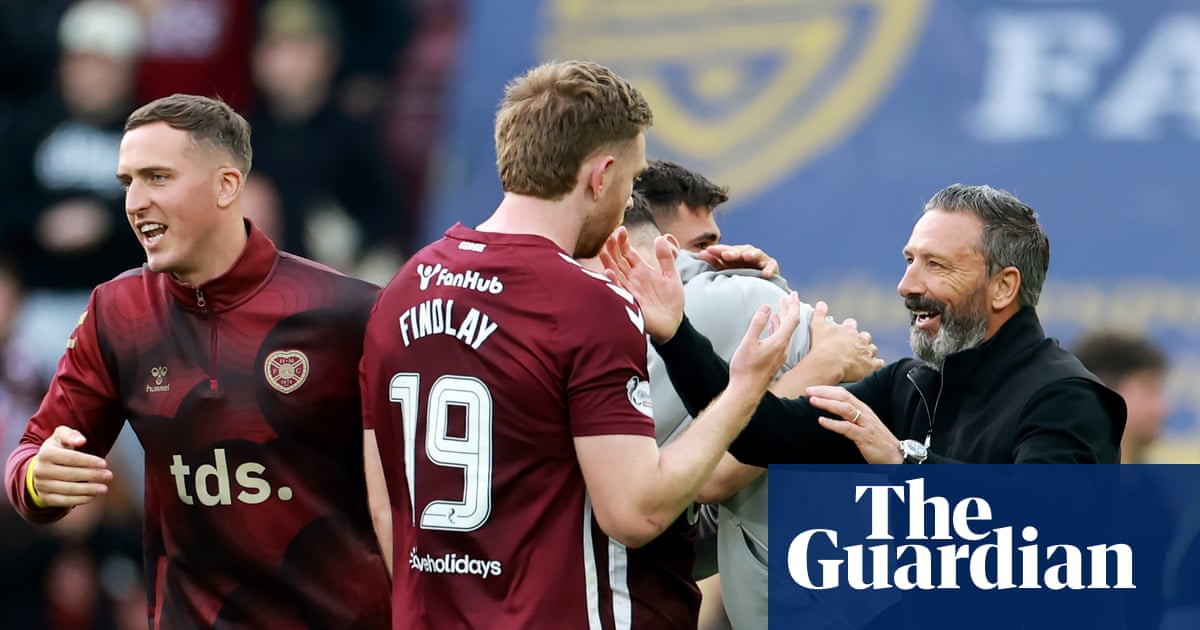
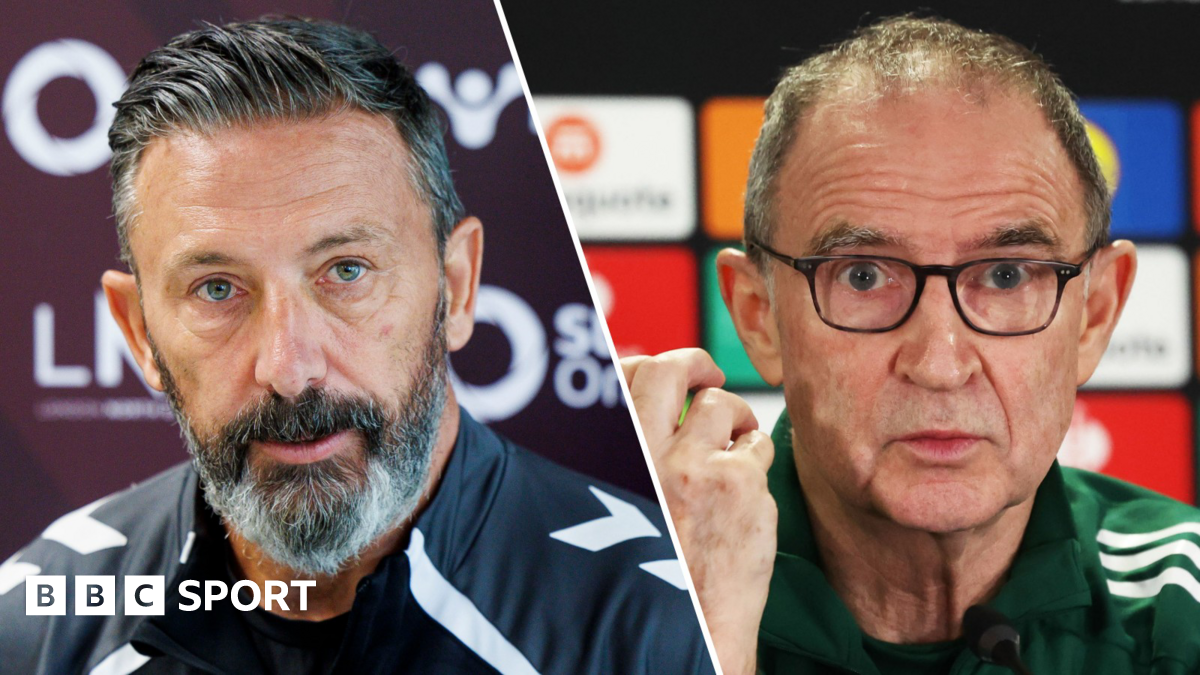
Derek McInnes and his counterpart O'Neill are actively refusing to play the media's game. They are projecting an almost eerie calm, shutting down sensationalism before it can breathe.
It is a fascinating psychological experiment playing out in real time. The press wants fireworks, mind games, and headline-grabbing declarations. They want the classic late-season meltdown.
Instead, they are getting deadpan responses and tactical deflections. This isn't just a lack of charisma; it is a calculated survival mechanism. By lowering the temperature in the press room, they are trying to keep the heat off their players.
The strategy makes sense on paper. You cannot control the external narrative, but you can control the feed you give it. If you feed the media boredom, they have less ammunition to destabilize the dressing room.
A Familiar Blueprint
We have seen this movie before in Scottish football. Managers who lean into the hype often find themselves consumed by it.
When the pressure ramps up, the temptation is to puff out your chest and make guarantees. It rarely ends well. The Scottish Premiership is unforgiving, and a single poor refereeing decision or an untimely red card can derail a season in ninety minutes.
McInnes knows this better than anyone. His longevity in the game is built on pragmatism. He understands that emotion is a liability when you are trying to grind out results in May.
O'Neill is operating from the same playbook. They are treating the biggest games of the season like mid-November trips to Dingwall.
This psychological detachment is mirrored in their tactical setups. When the pressure hits, teams usually default to their most rigid structures. We are seeing a doubling down on defensive solidity.
Neither manager is interested in expansive, high-risk football right now. The focus is entirely on risk mitigation. They are playing the percentages.
It isn't pretty, and it certainly isn't thrilling for the neutral. But aesthetics do not win titles. Points do.
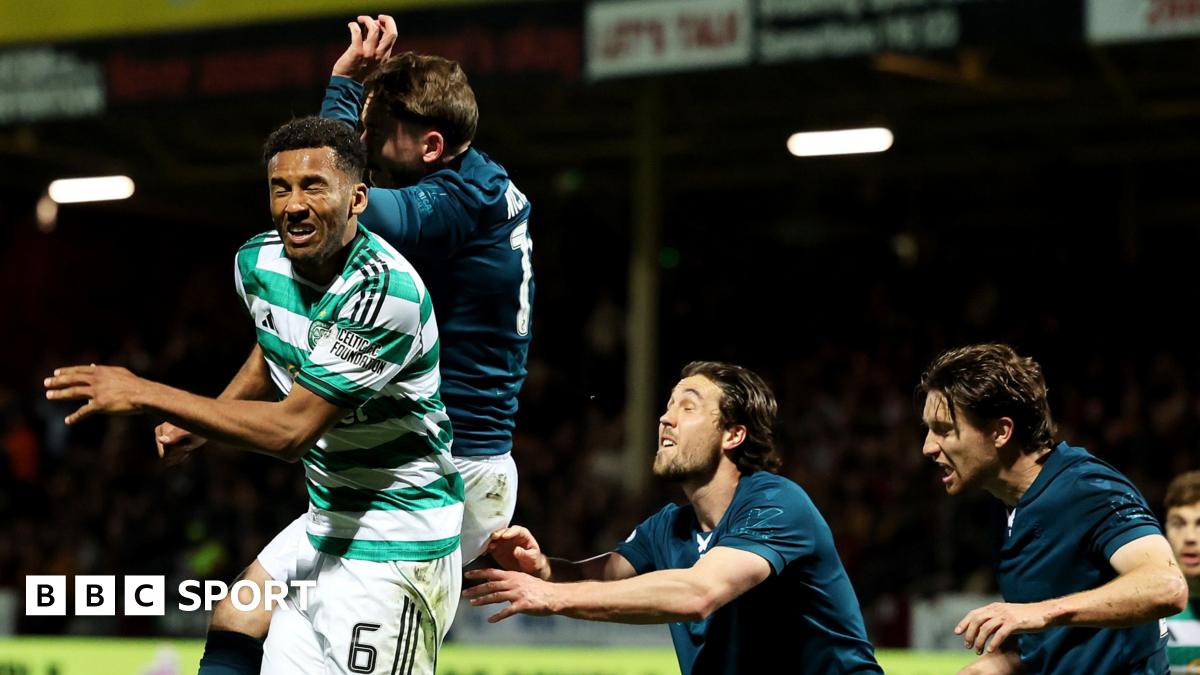
The critique here is obvious. By playing so conservatively, they invite pressure. If you sit deep and try to absorb attacks for 90 minutes, you are entirely reliant on your center-backs playing a flawless game.
A single mistake, and the entire game plan collapses. There is a fine line between keeping your cool and being overly passive.
The Danger of Playing It Safe
Inside the locker room, this calm exterior is meant to breed confidence. Players look to the touchline when things get chaotic. If the manager is panicking, the team panics.
By projecting absolute control, McInnes and O'Neill are trying to artificially manufacture a sense of normalcy. But you have to wonder if it is entirely authentic.
Professional athletes are not stupid. They know what the table looks like. They read the same articles and hear the same noise.
A manager can only insulate a squad so much. Eventually, the players have to cross the white line and deal with the screaming fans.
The cold, calculated press conference demeanor does not always translate to a composed performance on the pitch. Sometimes, a team actually needs a manager to light a fire under them.
This brings us to a major flaw in this approach. Football is fundamentally an emotional sport. The great title-winning sides always had a bit of fire.
They had moments where the mask slipped and the sheer desperation to win took over. Right now, both teams look a bit too mechanical.
They are executing game plans, but they are lacking that visceral intensity that pushes a team over the edge in a tight race. It feels like they are trying to solve a math equation rather than win a fistfight.
You can overthink a title race. You can become so obsessed with remaining calm that you forget to actually attack the game.
The upcoming fixtures will expose whether this calm is genuine or just a coping mechanism. If either team goes a goal down early, we will see how quickly the cool exterior shatters.
Plan A is built on control. But what happens when control is lost?
Beyond the tactical flaws, the mental fatigue is just as significant as the physical exhaustion. These players have been operating under severe stress for months.
You can see it in their body language during the closing stages of matches. The decision-making becomes erratic, clearances are rushed, and players dive into reckless tackles.
This is where the manager's calm facade is supposed to pay dividends. They need to be the anchor when the game becomes frantic.
But an anchor can also weigh you down. If a game requires a chaotic, kitchen-sink approach in the dying minutes to secure a win, a rigidly calm manager might hesitate to make the necessary attacking changes.
The fear of losing overrides the desire to win. A conservative substitution we saw recently in the 82nd minute invited relentless pressure, ultimately costing vital points. It was a clear tactical error driven by an abundance of caution.
The World Cup Distraction
Another unspoken factor is the proximity of the upcoming summer. With the 2026 FIFA World Cup kicking off on June 11, several key players have one eye on international selection.
An injury right now doesn't just derail their club season; it destroys a potential once-in-a-lifetime opportunity to play on the biggest stage.
You can see certain individuals pulling out of 50/50 challenges. They are subconsciously protecting themselves.
This self-preservation instinct is totally understandable, but it is absolute poison in a title race. A manager cannot coach courage.
If a player is worried about his hamstring with a tournament weeks away, he will not commit fully. McInnes and O'Neill are having to navigate this complex dynamic behind closed doors.
The Final Verdict
Ultimately, history will judge this approach based purely on the final standings. If one of them lifts the trophy, their stoicism will be praised as a masterstroke of man-management.
They will be hailed for keeping their heads while everyone else lost theirs. But if they stumble, the knives will be out.
The exact same behavior will be cited as the reason they failed. They will be accused of lacking passion. They will be told they didn't understand the magnitude of the moment.
That is the brutal reality of football management. The narrative is entirely dictated by the result.
Right now, they are holding the line. They are ignoring the noise and focusing on the grass.
It is a bold, almost stubborn strategy. We are about to find out if it is the right one.
Read Next
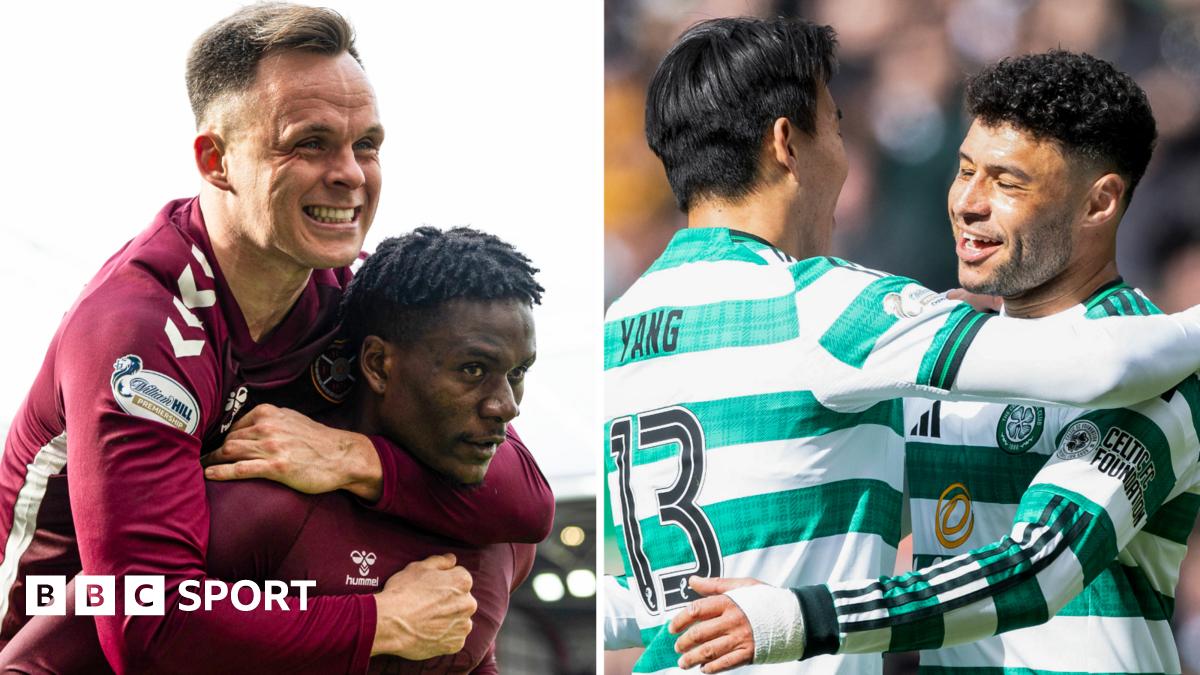
- Hearts and Celtic are one point apart and the title is on the line
- Hearts are about to break a 66-year drought in the Scottish Premiership
- Kilmarnock's Derek McInnes linked with high-profile managerial exit
- Danny Rohl faces a messy Ibrox summer as pressure mounts for answers
- ⚽ Scottish Premiership 2025-26 — Celtic vs Rangers Hub