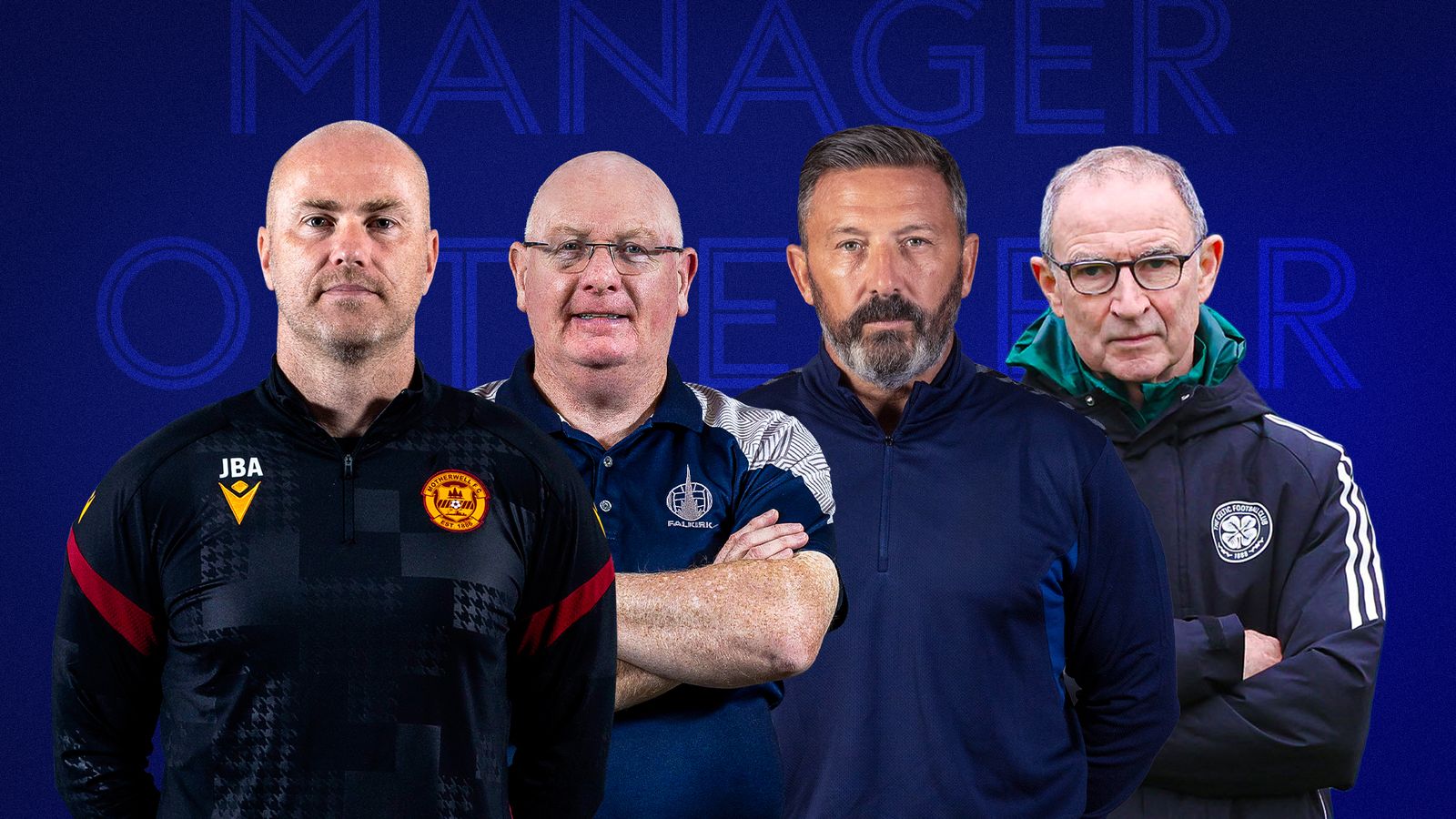
The managerial carousel reaches Scotland
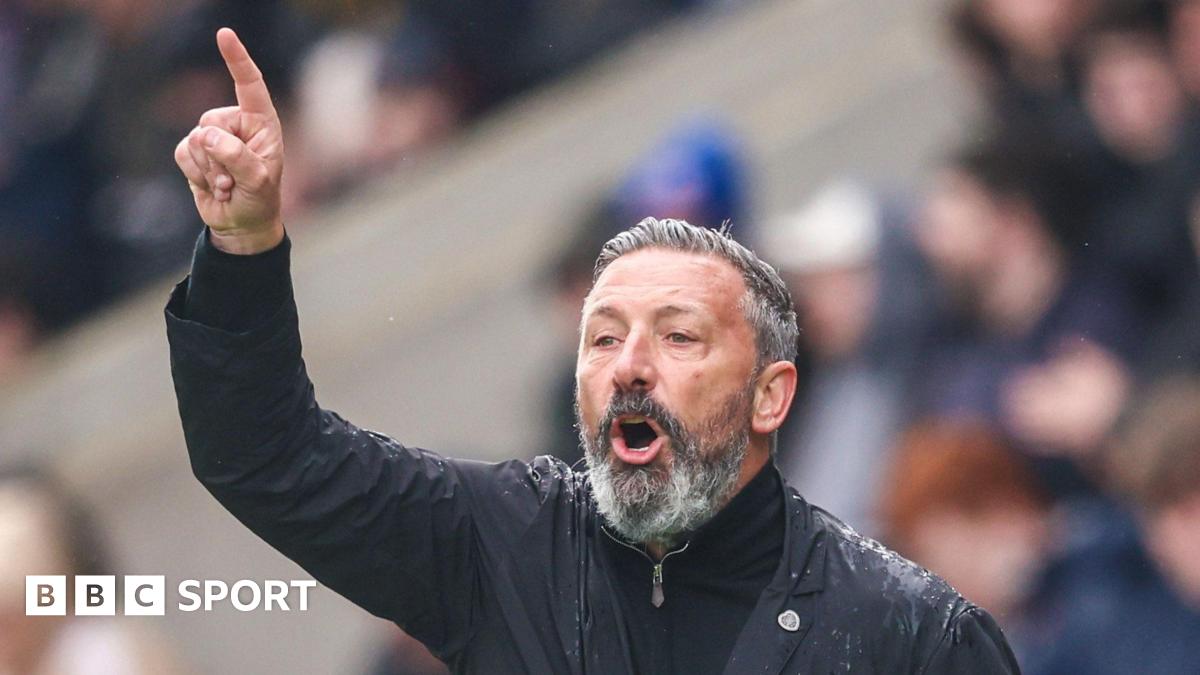
Derek McInnes has emerged as a prime candidate for vacancies south of the border following his tactical masterclass at Kilmarnock this season. Tier 2 sources suggest that several Championship clubs are monitoring his situation as they prepare for a summer restructure. McInnes, who has remained stoic despite intense media pressure surrounding the Scottish Premiership title race, is viewed by scouts as a pragmatic leader capable of building sustainable success on a limited budget.
His profile is distinct. He prioritizes defensive structure and direct transitional play, moves that have kept Kilmarnock competitive against both Celtic and Rangers for significant portions of the 2025/26 campaign. While his teams aren't known for high-possession aesthetics, they are notoriously difficult to break down. This style of play is highly attractive to second-tier English sides struggling with defensive fragility.
Tactical fit and potential hurdles
Any potential suitor would be buying into a defined, if rigid, philosophy. McInnes operates with a 4-4-2 or 4-1-4-1 setup that demands extreme physical intensity from his wide midfielders. It is a system built on outworking the opposition, which can result in games that lack tactical nuance but provide high engagement in terms of ball-winning duels. Critics argue this model is unsustainable in the long run, noting his consistent reliance on a small core group of players who frequently suffer burnout by March.
Financially, the move would be low-risk. Estimates put his current salary package in the modest category for professional managers, meaning a compensation fee to Kilmarnock would likely fall under £1.5 million. This makes him an appealing 'budget' candidate compared to the inflated wages often thrown at former Premier League coaches looking for a rebuild project. However, the lack of experience in the higher leagues of English football remains a significant red flag for bottom-ten Championship clubs.
The reality of the situation
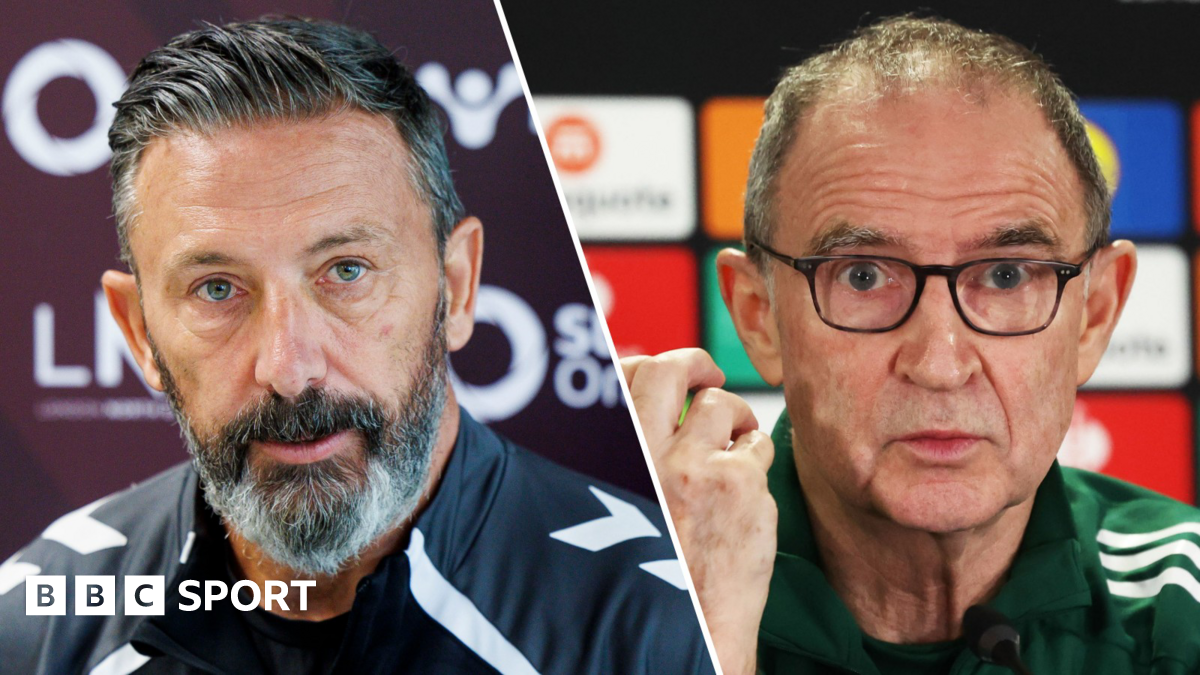
Despite the speculation, the man himself remains focused on the final stretch of the season. As the BBC recently highlighted, McInnes and his counterpart, O'Neill, are keeping their cool as the Premiership title race catches fire. This level-headedness is exactly what club owners prioritize when interviewing candidates, yet it creates a complex timeline for any potential move. McInnes is unlikely to entertain formal talks until the final whistle blows on the Scottish campaign.
The critical observation here lies in his adaptability. Can a coach who thrives in the specific intensity of the Scottish game adjust to the 46-game slog of the Championship? His record suggests discipline, but the tactical evolution required for English football might exceed his standard approach. Recent patterns indicate he prefers control over flair, which might isolate fans expecting more progressive, possession-based football.
Probability and outlook
The probability of a move is currently set at medium. While the interest is genuine, sources indicate that no formal bid has reached the Kilmarnock boardroom. The hierarchy at Rugby Park is rightfully protective of their manager, who has brought unprecedented stability to their ranks. McInnes is unlikely to force an exit for a lateral move, waiting instead for a project that offers a genuine path to the top flight.
Expect movement to accelerate in the first two weeks of June. Once the World Cup fever takes hold, boards across the UK move rapidly to replace outgoing staff. For now, the focus remains entirely on May 28 and the chaos of the final fixtures. Any signature would represent a gamble, but one based on a track record of consistency and domestic success that few others in the market can match. If he leaves, he leaves after defining a specific era for Kilmarnock, potentially altering their trajectory for seasons to come.
Read Next
- The SPFL title race is boiling over, but the managers refuse to panic
- Hearts are about to break a 66-year drought in the Scottish Premiership
- Danny Rohl faces a messy Ibrox summer as pressure mounts for answers
- Danny Rohl is promising stability while Ibrox is burning down
- ⚽ Scottish Premiership 2025-26 — Celtic vs Rangers Hub