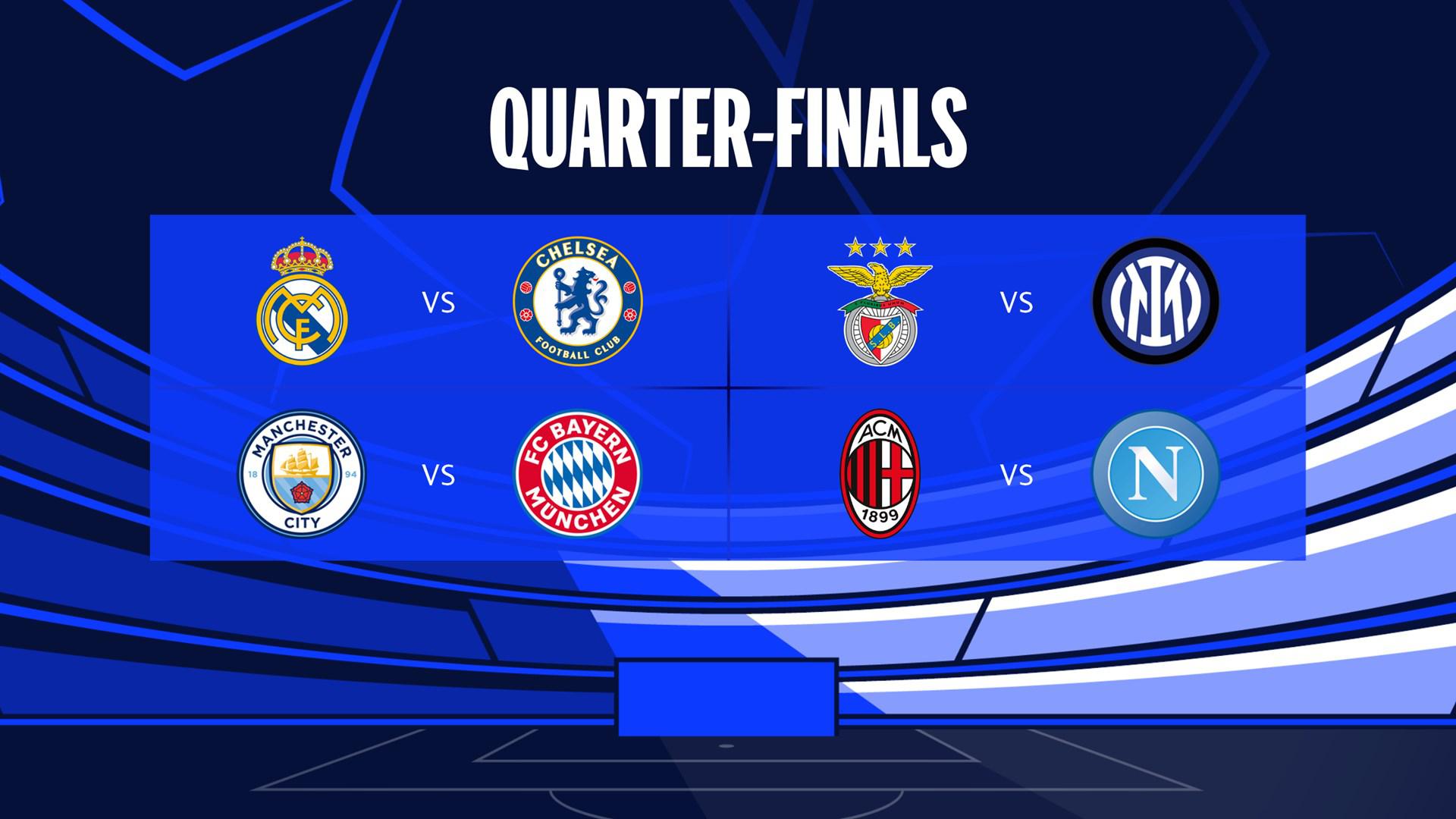
The death of the underdog
Watching the 2025-26 Champions League semi-finals felt like witnessing a slow-motion car crash of modern tactical idealism. Real Madrid and Manchester City arrived at the penultimate stage with the air of inevitability, yet both sides looked like they were terrified of their own shadows. The first legs were defined by a suffocating fear of transition that stripped the competition of its spontaneity.
It was a stark contrast to the chaos of the 2005 Istanbul final or even the wild 2019 semi-final between Tottenham and Ajax. We traded magic for a 0-0 stalemate at the Etihad that felt more like a chess match played by accountants. If you wanted high-pressing intensity, you were left staring at a blank screen for over ninety minutes.
The refereeing disaster in Munich
Bayern Munich versus Liverpool will be remembered for all the wrong reasons. The officiating team managed to turn a high-stakes European tie into a farce by the 62nd minute. When the VAR check dragged on for nearly seven minutes to determine a handball, the momentum of the entire tournament evaporated into the Bavarian night.
As BBC Sport reported, the inconsistency in handball interpretations has reached a breaking point. Bayern played better football, moving the ball with purpose through Musiala, yet they were shackled by a decision that had no business being made in a professional match. It was a miserable way to decide a spot in the final.
The individual brilliance saving a flawed system
Despite the tactical rigidity, we saw glimpses of why we still endure this format. Vinicius Junior provided the only moment of genuine quality across both ties during the second leg at the Bernabeu. His solo run in the 74th minute, weaving through three defenders before slotting home, was a sharp reminder that individual genius still exists outside of a spreadsheet.
However, relying on these moments is a dangerous game. The current tournament structure, which UEFA continues to tweak, forces teams to play so many matches that fatigue looked like a genuine tactical variable. Players were visibly lethargic by the time the second legs kicked off, leading to a drop in technical standards that would have been unacceptable a decade ago.
The verdict on the final four
- Manchester City: Sterile, repetitive, and overly reliant on Haaland's physicality.
- Real Madrid: Gassed, lucky, but still possess the winning mentality that money cannot buy.
- Bayern Munich: Tactically superior but undone by officiating incompetence.
- Liverpool: Looked a shell of their former selves, lacking the verticality that defined the Klopp era.
We are left with a final that feels like a retread of previous years. The 2-1 scoreline in the second leg of the Madrid-City tie saved the semi-finals from being a total disaster, but it didn't hide the cracks. If the semi-finals are supposed to be the pinnacle of club football, we desperately need to stop prioritizing defensive security over the sheer joy of the game.
We are watching the Champions League become a closed shop where results are managed rather than earned. Unless the governing bodies address the way games are refereed and the sheer volume of fixtures, the 2026 final will just be another footnote in a season defined by fatigue and caution.
Read Next
- Erling Haaland is chasing ghosts, not just the Golden Boot
- Haaland or Mbappé: The 2026 UCL Quarter-Finals won't be a fair fight
- Why Manchester City and Real Madrid are destined to ruin the 2026 final
- Real Madrid are vulnerable and the Champions League bracket proves it
- 🏆 UEFA Nations League Final Four 2026 Hub — June 4-8, Lisbon
- 🏆 UCL Final 2026 — Munich May 28 — Full Coverage Hub