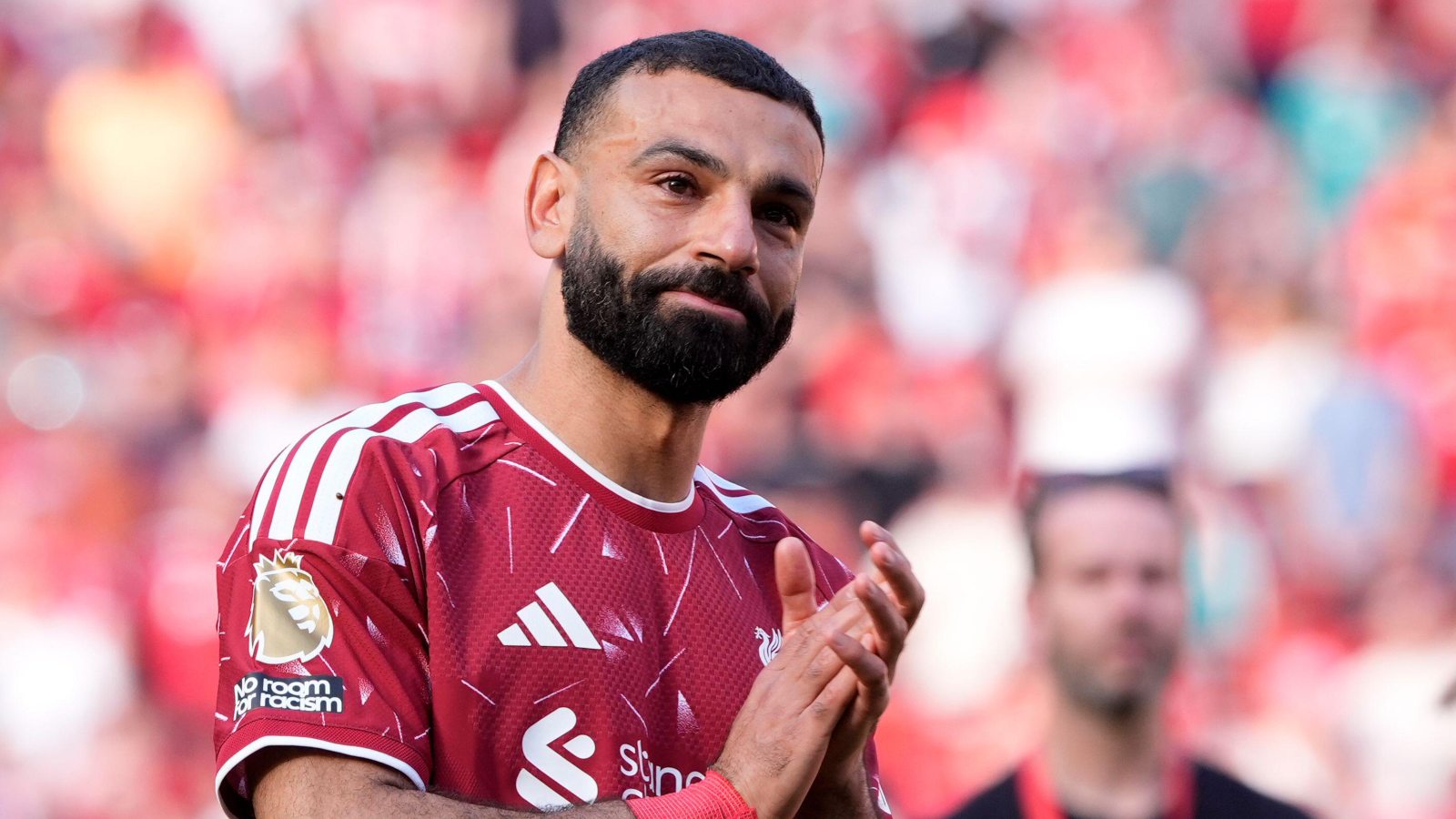
The World Cup's 104-match marathon is a logistical disaster in the making

The cracks beneath the spectacle
The 2026 World Cup has officially arrived, but the joy of the opening matches in Atlanta and beyond is being suffocated by the sheer scale of FIFA’s expansion. With 104 matches scheduled until the final on July 19, the tournament has moved from a sporting event into a logistical exercise in endurance. As the Guardian reported, there is growing resentment toward the format, which critics have labeled a shameless cash grab.
We are watching high-level football compressed into an exhausting window across three massive nations. The travel demands are no longer just for the fans; they are impacting the recovery windows for the players. When you look at the geography of North America, the mileage required for teams to travel between venues often defies the basic principles of performance science.
The paradox of the underdog
Despite the administrative bloat, the pitch at times still delivers the raw narrative we crave. Monday’s result in Atlanta proved that tactical rigidity can be shattered by pure grit. When Roberto Lopes captained the Cape Verde effort against Spain, he didn't just stand in the way of a superior squad; he dictated the defensive line's triggers to stifle a heavy-possession attack.
Lopes played like a man who wasn't intimidated by the pedigree of his opposition. He tracked movements with surgical precision, forcing the Spanish midfield into lateral passing sequences that generated an expected goals (xG) share far below what they would usually produce against minnows. It was a masterclass in low-block discipline, showing that defensive structure, when executed with absolute focus, remains the great leveler.
Defining the defensive ceiling
Yet, let’s be objective about the flaws in these underdog setups. While the defensive performance was remarkable, relying on a 0-0 or a low-scoring draw cannot be a long-term strategy for international success. Even in his peak defensive moments, Lopes relied on a desperate amount of backtracking that exposed his flank multiple times. If the opposing wingers had been more clinical in the final third, the scoreline would have looked significantly different.
The current tactical climate of the tournament suggests a move toward cautious, risk-averse football. Managers are terrified that one misplaced pass in their own final third will result in an immediate concession. This fear is a direct result of the expanded tournament structure, where teams know that a single defeat can often mean an early flight home.
Tactical friction and the England question
This atmosphere of caution isn't limited to the underdog nations. Thomas Tuchel is grappling with the same anxiety regarding his England squad. As Sky Sports reported, the inability to find a cohesive balance for Trent Alexander-Arnold represents a failure in vision. You have one of the most creative full-backs in world football, yet he remains shackled by a system that prioritizes defensive safety over his unique passing range.
The dilemma is statistical, not just philosophical. When Alexander-Arnold drifts into the half-space, his pass completion rate in the final third is statistically superior to the rest of the squad. However, the lack of a reliable defensive pivot behind him creates a vacuum in transition. Tuchel’s reluctance to gamble is understandable, but playing not to lose is rarely a path to lifting a trophy.
The bottom line
By the time we hit the knockout stages on the 29th of June, the strain of these 104 matches will be evident. The tournament is prioritizing volume over intensity. We are seeing more football, but the quality is increasingly fractured by fatigue and a heavy reliance on defensive banks of four and five players. The spectacle of the World Cup remains, but the sport is starting to feel the weight of its own expansion.
Read Next
- England’s Kansas City camp is a strategic gamble that could blow up in Tuchel's face
- Thomas Tuchel has an England right-back headache that won't go away
- Roberto Lopes just defined the World Cup underdog spirit
- Lionel Messi knows his sixth World Cup is a different beast
- 🏆 World Cup 2026 — Full Coverage Hub
adidas Starlancer Club Soccer Ball
A durable, high-visibility training ball for every surface.
Frequently Asked Questions
How many matches are scheduled for the 2026 World Cup?
Why is the 2026 World Cup format being criticized?
How did Roberto Lopes perform against Spain?
What is the primary tactical trend in the 2026 World Cup?
What challenge is Thomas Tuchel facing with his England squad?
More Coverage

Thomas Tuchel has an England right-back headache that won't go away
3 hours ago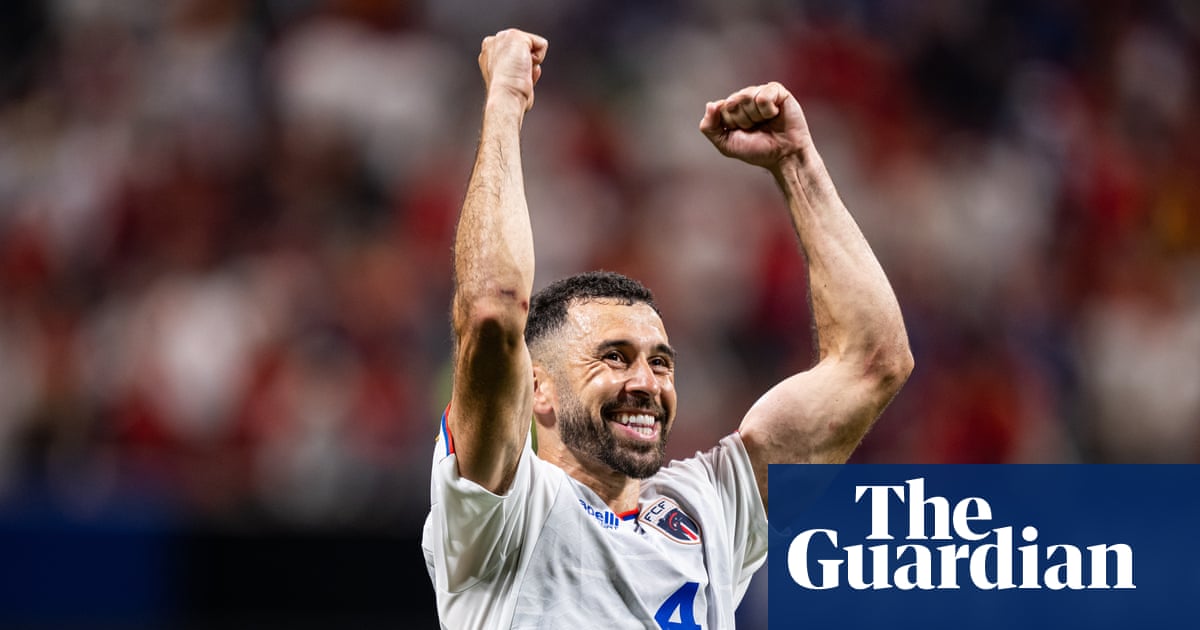
Roberto Lopes just defined the World Cup underdog spirit
3 hours ago
Thomas Tuchel is testing our patience with the Tino Livramento obsession
4 hours ago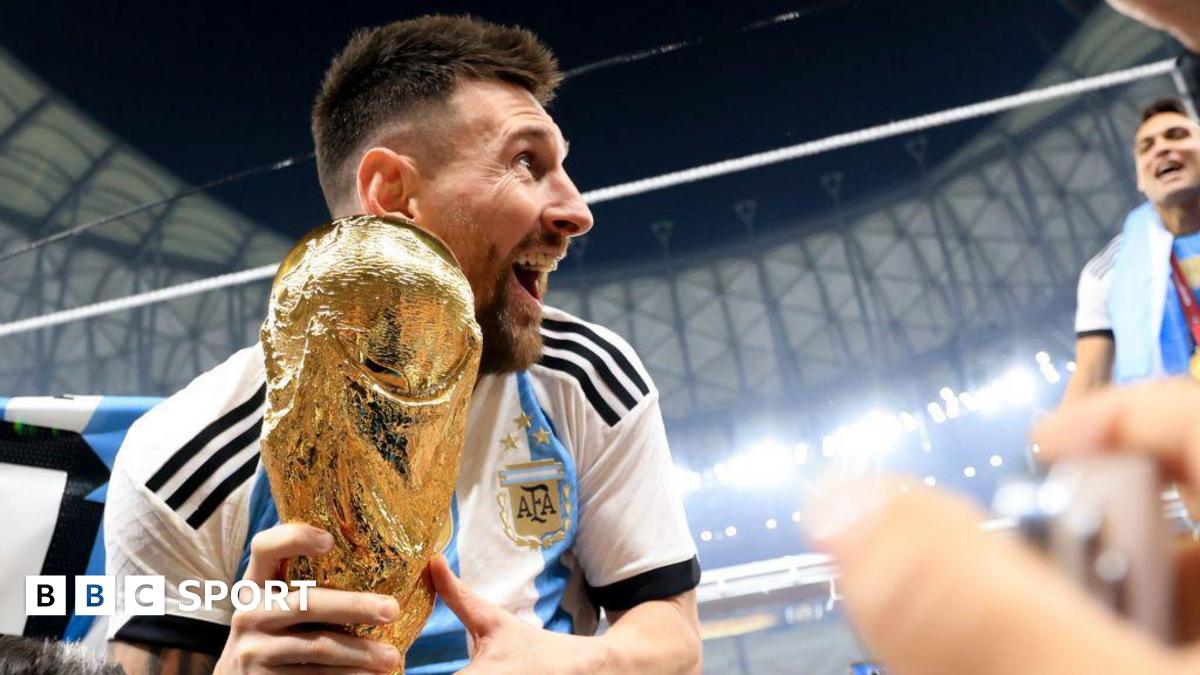
Lionel Messi knows his sixth World Cup is a different beast
4 hours ago
England's World Cup opener against Croatia is a tactical minefield
5 hours ago
Tino Livramento's World Cup status in peril after training ground setback
5 hours agoMore Analysis

Top 10: Defining Moments in Modern Football
an hour ago
Injury crisis looms for Scottish sides ahead of European qualifiers
an hour ago
Harry Maguire's potential exit signals a brutal summer reset at United
an hour ago
Arsenal and Liverpool are playing a high-stakes game of transfer chicken
an hour ago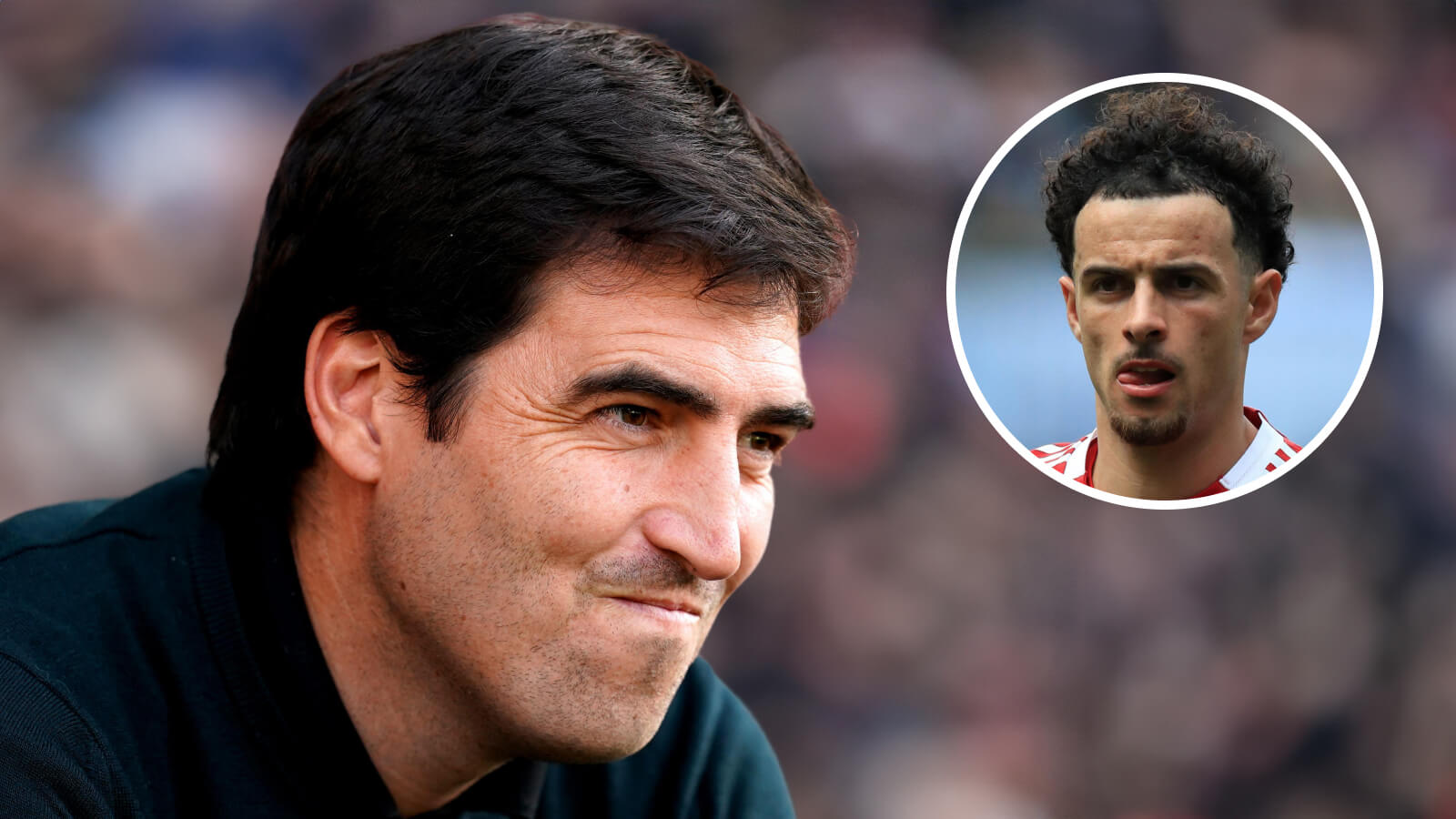
Curtis Jones is ready for an exit as Inter Milan circle Anfield
an hour ago