Measuring Partey's impact beyond the spreadsheet
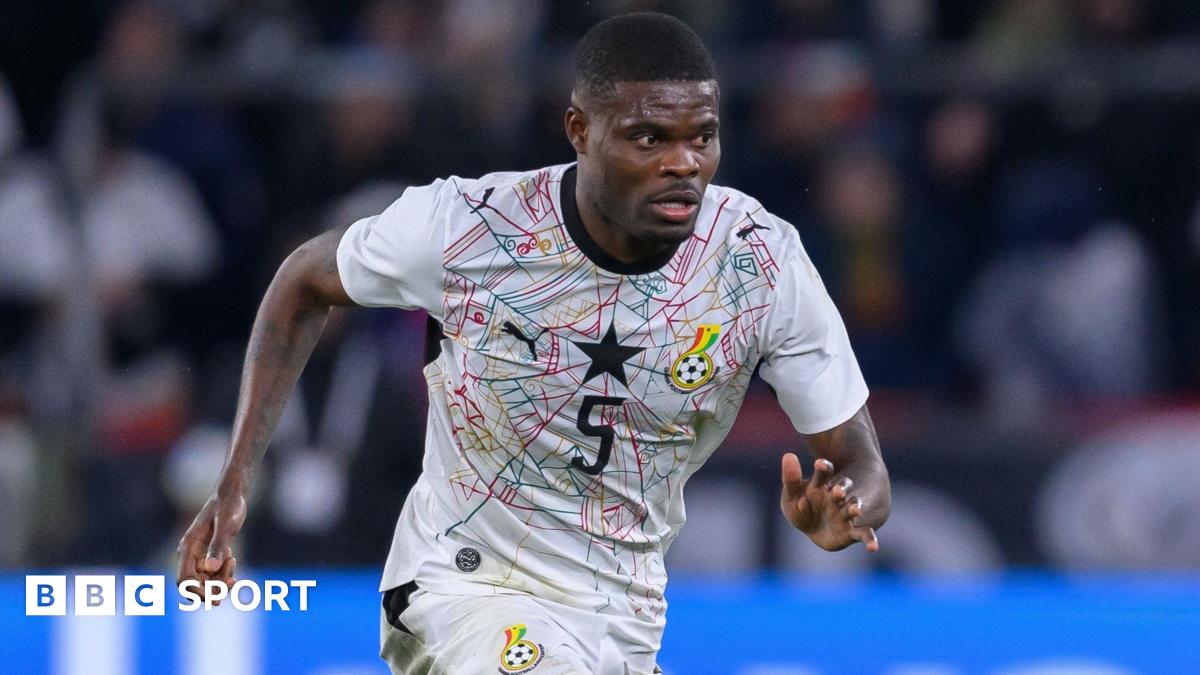
With the 2026 World Cup arriving in just 16 days, Ghana’s preliminary squad announcement carries significant weight. Thomas Partey, the former Arsenal midfield anchor, finds himself back in the frame. His inclusion is not merely a formality; it is an analytical cornerstone for a team needing high-volume progression.
Partey’s passing efficiency has historically served as a defensive shield and a rhythmic regulator. During his peak seasonal output, he maintained an average progressive passing distance exceeding 600 yards per 90 minutes. This is the statistical floor Ghana requires to transition from a defensive shell into a functional attacking unit.
The paradox of the defensive pivot
Critics often point to Partey’s availability as a primary liability. Over his final three seasons at Arsenal, he participated in fewer than 65% of available league minutes. This inconsistency forces national team managers into a precarious tactical gamble. If the game state forces a high-pressing defensive line during the group stage, can Partey cover the 45-meter pockets behind the midfield? His mobility has withered, yet his defensive awareness remains sharp.
The data suggests that when Partey sits in the pivot, his team's expected goals conceded (xGA) drops by 0.32 per match. That variance is statistically significant in a tournament setting. Ghana, as reported by the BBC, enters this cycle with a need for stability. Relying on an aging pivot to anchor a midfield in the sweltering heat of the 2026 tournament creates a clear tactical vulnerability.
The transition risk assessment
The tactical map for Ghana is straightforward: they prefer to absorb pressure and burst through vacated spaces. Partey’s defensive intervention rate stands at 2.4 tackles per 90, a figure that has remained consistent even as his raw pace dips. However, the counter-metric shows he is bypassed by opposing dribblers 1.8 times per game. In modern tournament football, that figure is a red flag.
If the coaching staff opts to pair him with a high-energy partner, they must sacrifice an attacking lane to provide cover. This is a classic zero-sum efficiency game. The benefit of his distribution—his 88% pass completion rate under pressure—might be negated if the team becomes too brittle defensively. Managing his minutes against lower-seeded group opponents will be the real test of the team's pragmatic planning before the knockout rounds.
Read Next
- Vinnie Jones and the evolution of the midfield enforcer
- Lionel Messi limps off as Argentina’s World Cup prep hits a nerve-wracking snag
- Lamine Yamal's race against time for World Cup fitness
- Arsenal's 22-year drought ends with a record-breaking defensive masterclass
- 🏆 World Cup 2026 — Full Coverage Hub
- 🇬🇭 Ghana World Cup 2026 — Black Stars Hub