The Tuchel arrival and the Miami mandate
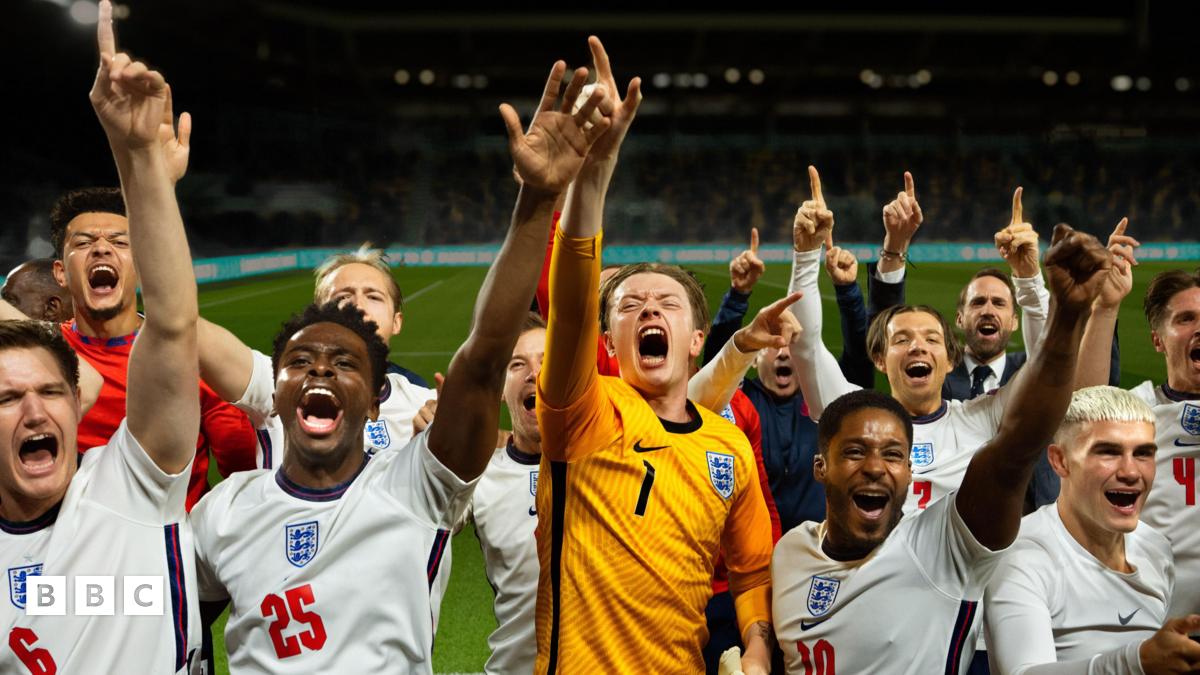
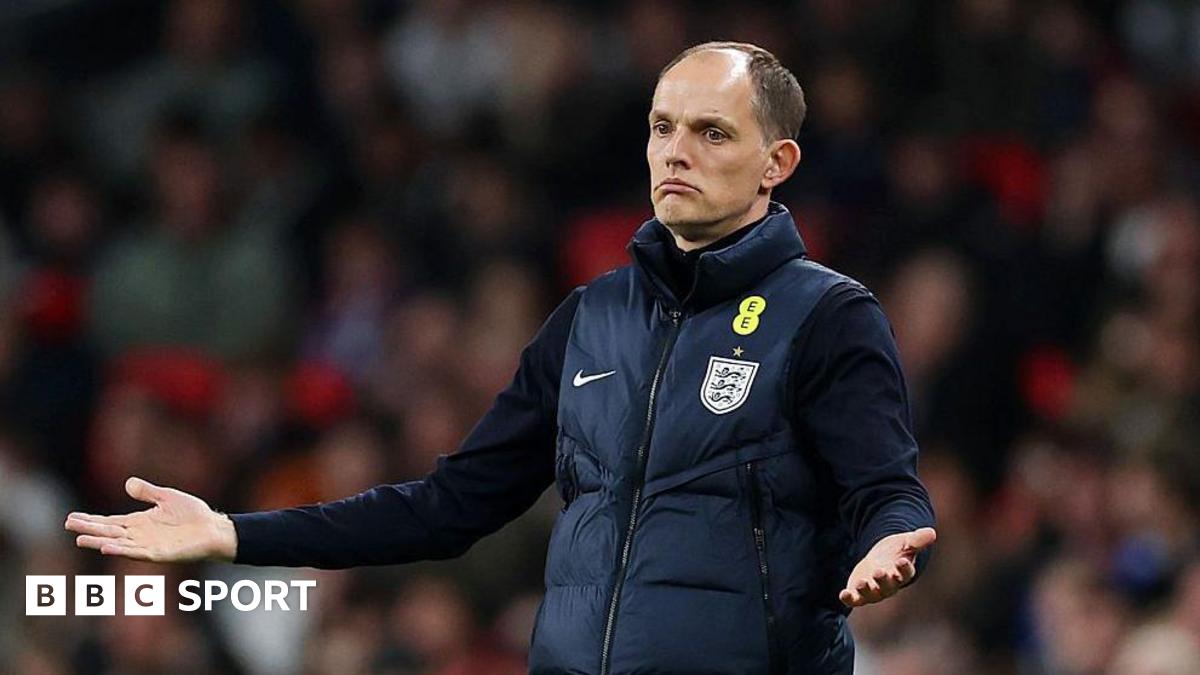
England arrives in Miami trailing a cloud of expectation that feels heavier than the 2022 campaign. Thomas Tuchel has spent the last week gathering his squad, delivering a speech designed, according to reports, to weld a collection of elite individuals into a singular machine. It is a classic manager move: establish the gravity of the mission before the first whistle blows on June 11.
However, the internal atmosphere surrounding the camp ignores a lingering tactical problem. Tuchel is a coach who prioritizes structural integrity over individual flair, a philosophy that often smothers the creative outlets England possesses in the attacking third. While the defensive stability brought by his rigid shape is useful in knockout tournaments, it risks leaving creative sparks isolated in the final third.
The Pickford variable and the penalty obsession
Jordan Pickford has already gone on record stating he is ready to step up and take a penalty if this summer’s tournament requires it. It is a bold statement, but it highlights the lingering anxiety within the Three Lions camp regarding their historical dead-ball performance. As Mirror Football reported, the focus on set-piece preparation is currently occupying a significant portion of training time.
This reliance on secondary contingencies like goalkeeper penalties suggests a lack of confidence in scoring from open play. If England reaches the 120th minute without breaching a defense, Tuchel likely reverts to a defensive shell. That is a dangerous game. In top-tier international football, waiting for the opponent to blink is a high-risk strategy that rarely pays off against high-pressing nations like France or Brazil.
Why the squad composition underperforms
The core of this England squad is built for transitions. Players like Phil Foden and Bukayo Saka thrive when play is stretched and the press is bypassed quickly. Tuchel’s system, conversely, prefers controlled build-up play that allows the opposition to reorganize their back line. This disconnect is the primary reason the squad’s xG per 90 minutes has dipped in recent warm-up fixtures.
There is also the matter of defensive depth. While Tuchel’s system emphasizes ball retention, any disruption in the midfield rhythm leaves the back line exposed. If a primary ball-winner is forced off, the drop-off in defensive output is stark. I expect the team to exit in the quarter-final stage, likely running out of ideas against a more fluid, counter-attacking side that forces them to chase the game.
The emphasis on grit is admirable, but technique wins tournaments. England has talent, but they are currently being coached for 1990s-style grind-outs rather than the high-tempo football their squad is built to execute. Unless Tuchel adapts his core formation to accommodate more pace behind the strikers early in the group stage, they will struggle to convert possession into meaningful shot volume.
Read Next
- Ollie Watkins is playing his way into the England starting XI
- Jude Bellingham gets the No 10 but the real England story is further back
- Thomas Tuchel has eight days to stop England from imploding
- England's World Cup preparation goes sideways before kickoff
- 🏆 World Cup 2026 — Full Coverage Hub
- 🏴 England World Cup 2026 — Three Lions Hub