The end of the emotional project
There is a bitter irony in the BBC airing James Graham's new television adaptation of Dear England right now.
"A story of real hope."
That phrase, drawn from a recent BBC feature on the writer, frames the Gareth Southgate era as a necessary psychological unburdening of the national team. Graham views football through the lens of arts, human connection, and emotional vulnerability.
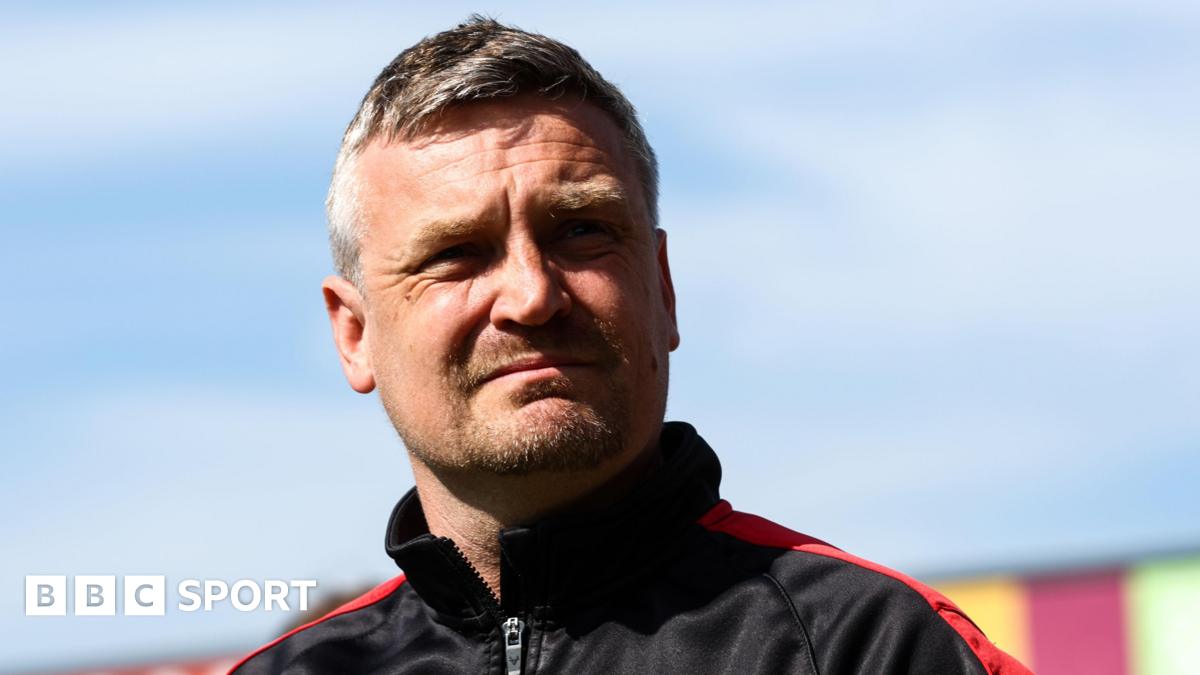
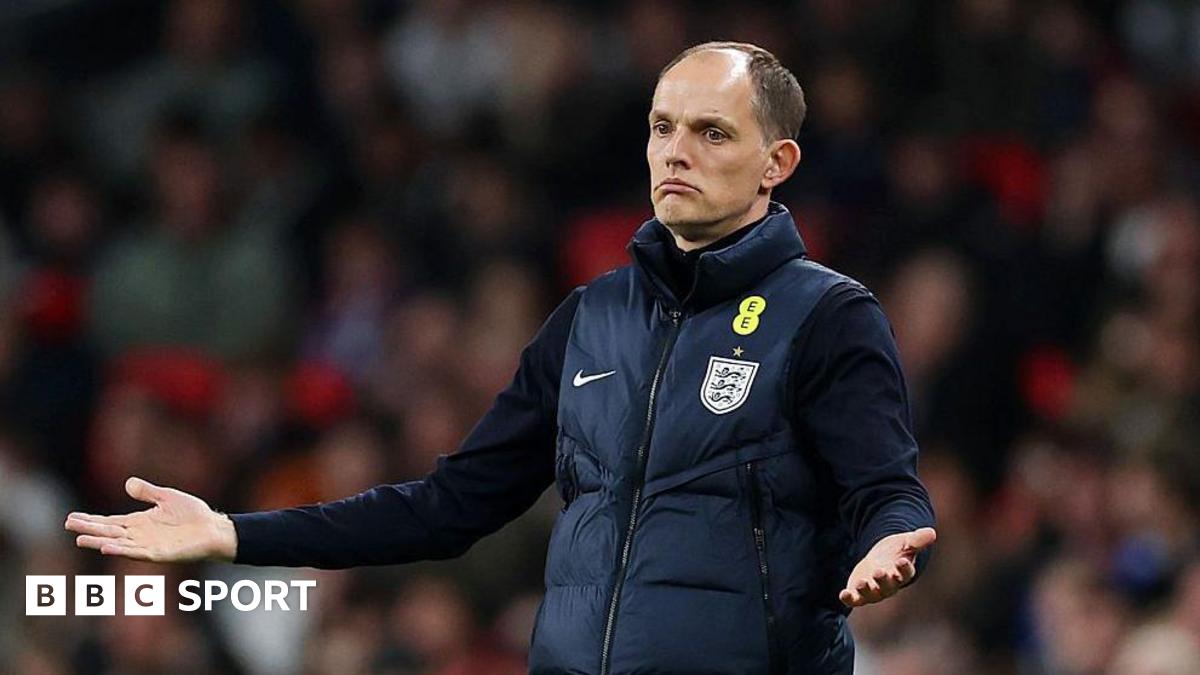
But the men's national team doesn't operate in a theater anymore. The era of emotional intelligence and penalty-shootout healing circles is over. Thomas Tuchel is in charge now, and his focus is entirely on mechanics, transition structures, and winning ugly.
With the 2026 World Cup kicking off in exactly 23 days on June 11, the narrative around England has violently shifted. We are no longer waiting patiently for a group of talented academy boys to mature into men. This is a highly calculated, win-now mandate under a manager who famously burns out locker rooms in record time.
The tactical reality of Tuchel's England
If Southgate was a man-manager desperately trying to keep the tabloids at bay, Tuchel is a cold systematizer. Over the last eighteen months, we have seen the complete dismantling of the vibes-based setups that stumbled to the Euro 2024 final. England are now functionally a rigid 3-4-2-1, designed entirely to protect a slow backline and isolate dangerous wing-backs in space.
The primary defect is the midfield engine room. Declan Rice is an elite ball-winner and destroyer, but he still struggles to dictate tempo when pressed heavily by technically superior teams. Under Tuchel, Rice has been ordered to operate much deeper, essentially dropping between John Stones and Marc Guehi to build from the back.
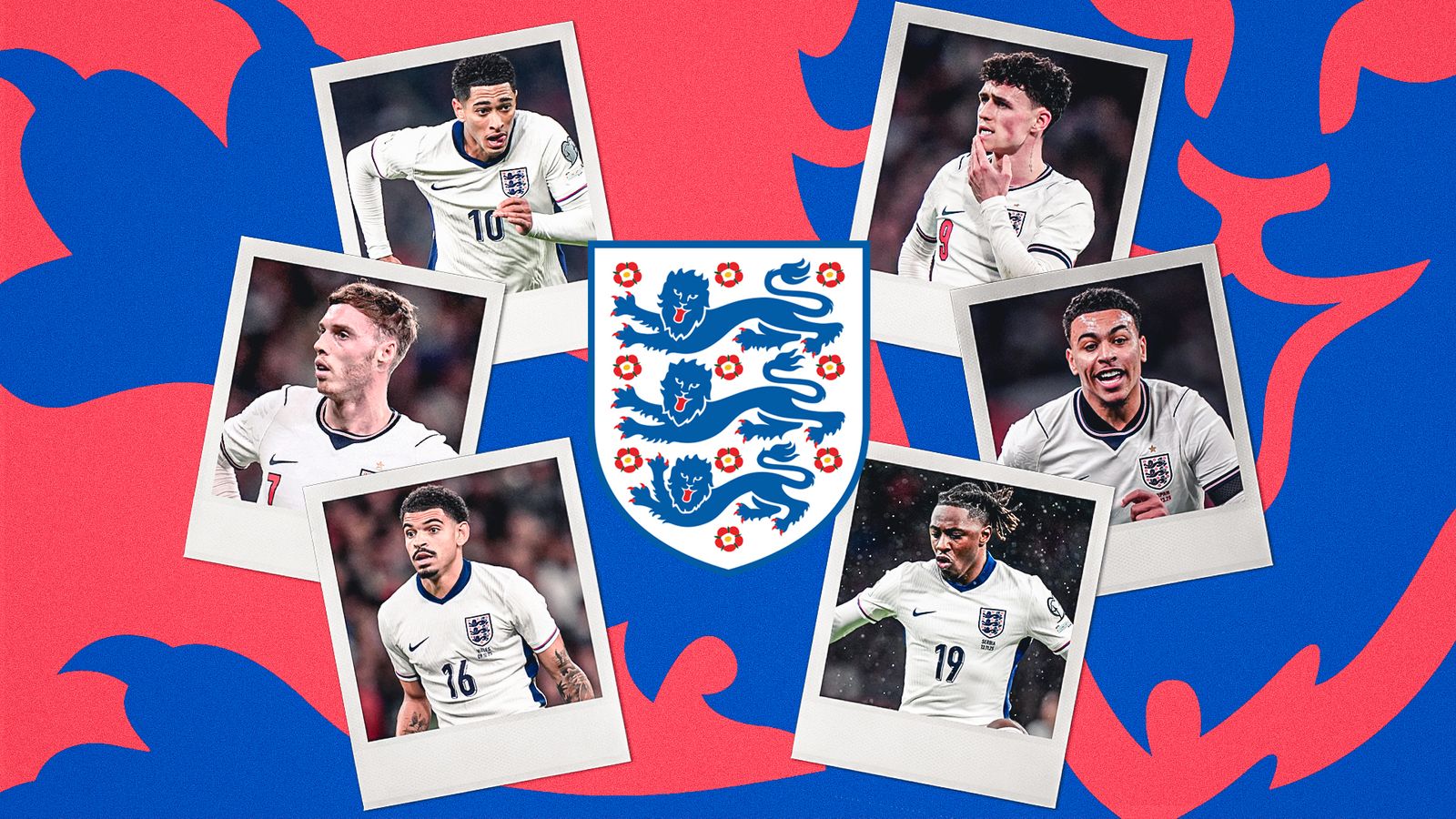
This leaves a massive, glaring hole in the center of the pitch. Jude Bellingham always wants to crash the penalty box and play hero ball, while Phil Foden naturally drifts into the half-spaces. Nobody wants to stay home, recycle possession, and completely control the rhythm of the game.
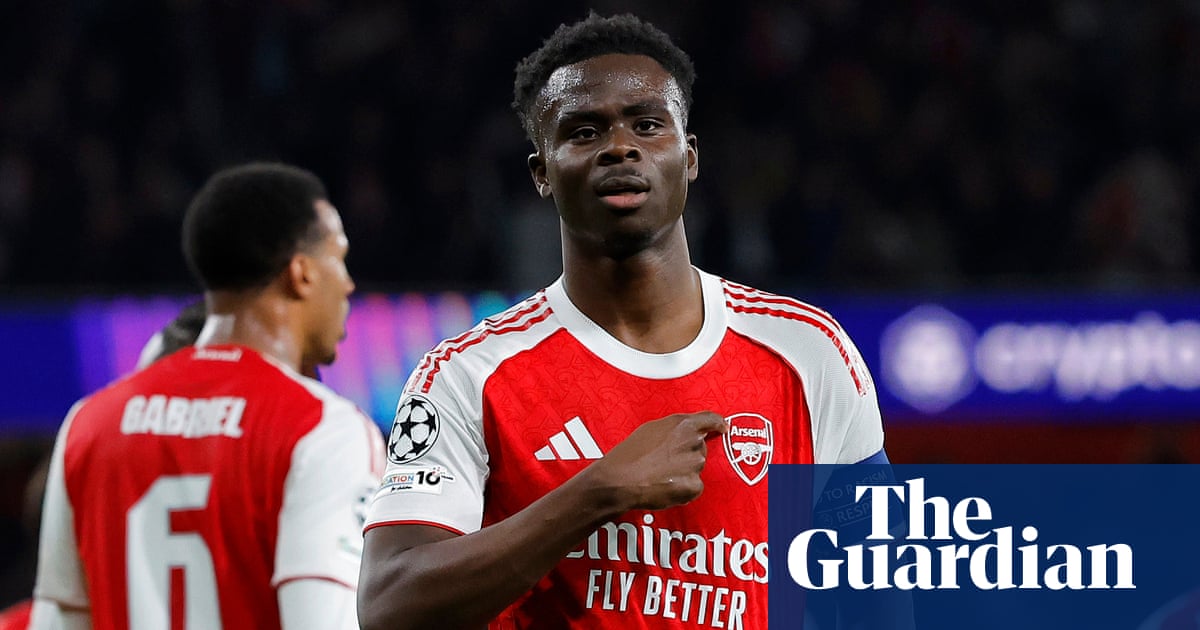
You can easily get away with a disconnected midfield against San Marino or Slovenia in qualifying. You absolutely cannot get away with it against Spain, France, or Argentina. There is also the unresolved question of Trent Alexander-Arnold and where he fits into this specific shape without completely crowding Bukayo Saka out of the match.
The data exposes the regression
Look directly at the underlying numbers from England's recent UEFA Nations League campaign. England's expected goals from open play have actually dropped significantly under Tuchel compared to the final year of the Southgate regime. They are creating far fewer high-quality chances against disciplined low blocks.
What they have undoubtedly improved is their defensive transition. They concede fewer shots on counter-attacks and are significantly harder to play through. But that newly found defensive solidity comes at a steep, noticeable cost to their attacking fluidity.
Harry Kane is another year older and his mobility has noticeably declined. He is dropping deeper than ever just to get a meaningful touch of the ball. We are seeing the classic Tuchel pattern emerge in real-time on the pitch.
He makes the team incredibly hard to beat, relying heavily on individual brilliance and set-piece goals. It is a cynical strategy that works in knockout football until you meet an elite possession side. When forced to chase the ball for long stretches, the defensive structure eventually fractures under the sheer weight of physical fatigue.
The brutal geography of 2026
We must also heavily consider the expanded tournament format itself. A 48-team World Cup introduces an extra knockout round onto an already congested schedule. The physical toll on these players, many coming off grueling sixty-game club seasons, is going to be immense.
The travel logistics across the massive expanses of the United States, Mexico, and Canada are outright brutal. Teams will be flying across multiple time zones between fixtures. A team relying heavily on an aging striker and a precariously thin central midfield rotation is going to hit a physical wall.
England simply do not have the depth profile to seamlessly rotate without a massive drop-off in quality. When Rice needs a rest, putting Conor Gallagher into a pivot fundamentally changes the team's ability to retain the ball. They will burn out long before the final in New Jersey.
The quarter-final ceiling
Here is my definitive prediction, and I am not hedging my bets. England will comfortably top their group without breaking a sweat. They will navigate the new Round of 32 and the Round of 16 against mid-tier European or South American opposition without much drama.
But they will violently crash out in the quarter-finals. Elite knockout football ultimately exposes your biggest structural flaw without mercy. For England, that fatal flaw remains basic ball retention under intense, coordinated pressure.
When they face a team like France, with Aurelien Tchouameni and Eduardo Camavinga effortlessly controlling the middle, England will be pinned back inside their own half. Tuchel will throw on Anthony Gordon's pace or Eberechi Eze's directness and hope to hit them on the break.
But you simply cannot defend perfectly for ninety minutes against elite international opposition. Your own midfield must hold the ball long enough to give your defense a breather. The defensive dam will inevitably break, as it always does for England.
The illusion of progress
There is a massive, collective blind spot in the English football media right now. Because Tuchel won the Champions League with Chelsea in a condensed timeframe, there is a dangerous assumption that he is a guaranteed tournament winner. But international football is an entirely different discipline.
You cannot buy a sixty-million-pound holding midfielder in the January transfer window to fix your squad imbalances. The FA hired Tuchel specifically to be the ruthless closer that Southgate never was. They wanted a tactician who wouldn't hesitate to ruthlessly change a system at halftime.
But tactical ruthlessness cannot artificially compensate for a fundamental, geographic imbalance in player profiles. James Graham is absolutely right to celebrate the emotional growth of the team over the last eight years. The fear of the national shirt has largely been removed.
But emotional growth doesn't help you bypass a perfectly executed high press in the 82nd minute of a World Cup quarter-final in sweltering heat. Tactics do. Technique does. And right now, England's midfield simply doesn't possess the technical security to dominate the absolute best teams.
Mapping out the failure
Let's map out the failure state right now so we aren't surprised when it happens. The quarter-final starts with England lining up in a compact, conservative formation. The opponent sits deep, brilliantly inviting England to try and break them down.
Bellingham gets visibly frustrated and drops way too deep to demand the ball, vacating the attacking zones. Kane gets completely isolated against two bruising center-backs. The attack inevitably stalls and breaks down.
The opponent wins the ball back, bypasses the disjointed England press with two quick vertical passes, and exploits the massive space left behind the wing-backs. A low cross comes in, a momentary lapse in concentration occurs in the box, and suddenly it's 1-0.
Tuchel responds with frantic, chaotic substitutions. England predictably pump desperate long balls into the penalty area, but the opponent's low block easily heads them away. The final whistle blows, and the inevitable, toxic post-mortem begins immediately.
The harsh reality of tournament football
The BBC can broadcast all the uplifting, beautifully written dramas they want. Dear England is a fantastic piece of theater that perfectly captured a unique moment in time. The national team briefly felt incredibly relatable, painfully vulnerable, and distinctly human.
But the World Cup isn't a West End play. It doesn't neatly follow a three-act narrative structure where the flawed protagonist dramatically overcomes their deep-seated trauma in the final uplifting scene. It is a brutal, randomized, unforgiving knockout tournament.
The team with the most balanced midfield structure almost always lifts the trophy. England simply do not have that perfectly balanced midfield, and they lack the defensive structure to mask that deficiency against top-tier opponents in sudden-death scenarios.
The optimism that James Graham writes about is genuine, but it is ultimately misplaced on the football pitch. Hope doesn't win World Cups in modern football. Midfield control does. And England fundamentally do not have control.
Read Next
- Why Thomas Tuchel and Mauricio Pochettino are having a terrible week
- Reece James faces World Cup heartbreak after devastating hamstring setback
- World Cup 2026 squad reveals: 1,248 players and zero margin for error
- Milan are winning but the tactical cracks are still wide open
- 🏆 World Cup 2026 — Full Coverage Hub
- 🏴 England World Cup 2026 — Three Lions Hub
- 🏆 Europa League Final 2026 — Full Coverage Hub