A Preemptive Flinch by the Premier League
The news dropped quietly, but its impact is deafening. The Mirror's revelation that the Premier League has actively banned three officials from Sunday's Merseyside derby is a startling admission of administrative failure. This is not standard rotation. This is a targeted, panicked removal by a governing body that has lost control of its own officiating standards.
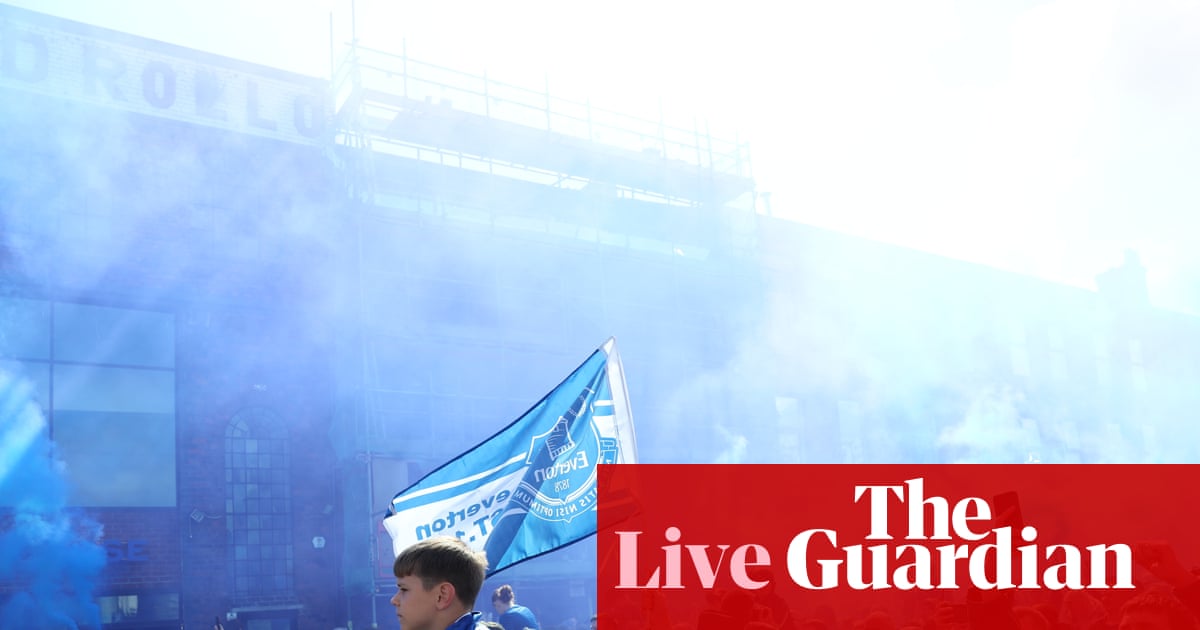
The Professional Game Match Officials Limited (PGMOL) has effectively looked at its roster, looked at the fixture list, and decided three of its employees simply cannot handle the heat of Goodison Park or Anfield. It is an unprecedented move. It fundamentally alters the build-up to what is already the most volatile fixture in English football. When the governing body preemptively flinches, you know the internal pressure has reached a boiling point.
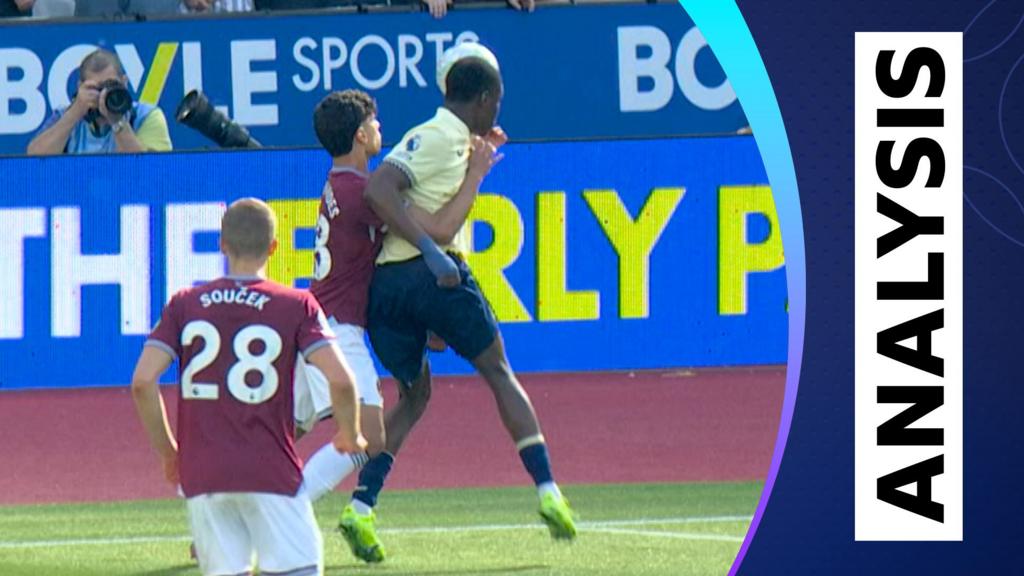
Let us break down exactly what this means for the game itself. The Merseyside derby operates on a different frequency than normal league matches. The speed of thought and execution is violently accelerated by the raw aggression in the stands. Players do not just tackle; they leave a mark. Every aerial duel is contested with a bit of extra malice. In this environment, the referee is not just an arbiter of the rules. They are an active participant in crowd control.
By removing these officials from contention, the league has placed an unbelievable psychological burden on whoever actually takes the whistle on Sunday. That official steps onto the pitch knowing they are the designated safe pair of hands. That knowledge changes human behavior. A referee trying to prove they belong in this high-stakes environment is far more likely to over-officiate. They will want to establish absolute dominance early.
The Tactical Weight of the Whistle
Tactically, both managers have to factor this bizarre dynamic into their game plans. Everton’s entire defensive strategy usually relies on physical intimidation. They want to disrupt Liverpool’s buildup play by leaving a foot in, by dragging shirts, by making the middle third a miserable place to operate. If the referee comes out looking to throw cards around to justify his appointment, Everton’s plan could backfire spectacularly within the opening ten minutes.
A red card inside the first half-hour completely destroys Everton's ability to contain Liverpool's overlapping full-backs. Conversely, Liverpool has to be wary of the counter-reaction. If the referee decides to let the game flow to avoid early controversy, Liverpool’s technical players will get kicked off the park. Their attacking transitions require precise, rapid passing. That execution is impossible when your central midfielders are constantly picking themselves up off the turf.
We have seen this exact dynamic destroy derbies before. The history of this fixture is littered with awful challenges and refereeing decisions that are still debated a decade later. This is where the Premier League's strategy deserves the harshest possible criticism. Banning these referees is an act of cowardice dressed up as pragmatism. It solves absolutely nothing long-term.
If an official is heavily influenced by the Anfield crowd, or intimidated by the hostility at Goodison, why are they refereeing at this elite level at all? The Premier League is implicitly admitting that they run a two-tier system of referees. Some are fit for the big occasions. Some are only fit to officiate when the stakes are artificially lower.
That is a disastrous message to send to the rest of the league. It tells every other club that the standard of officiating is entirely dependent on the perceived commercial or emotional weight of the match. It completely undermines the integrity of every other game those three individuals are allowed to referee for the rest of the season.
Institutional Incompetence in April
We are sitting in late April. The domestic schedule is an absolute gauntlet right now. In just ten days, the Champions League semi-finals kick off. Every single point dropped in the league is magnified. Every injury sustained in a bad tackle is a potential season-ender. Entering this meat grinder, the last thing any club needs is institutional incompetence.
Think about the psychological damage to those banned referees. Their authority has been publicly completely gutted. How does a manager in a mid-table clash next week respect a decision made by an official who was explicitly deemed too fragile to handle the Merseyside derby? It destroys their credibility on the pitch. Players talk. Captains will absolutely use this against them in future matches to pressure decisions.
Let us pull focus back to the tactical battle on the pitch. The midfield transition is where Sunday's game is won or lost. Everton cannot afford to get caught in possession. If they lose the ball in the central channels, Liverpool’s counter-press will smother them within four seconds. Everton has to bypass the press entirely. Expect long, vertical passes aimed directly at the center-forwards.
They need to secure the second balls. That requires immense physical exertion from their central midfielders to push high up the pitch instantly. Liverpool's response to this direct play will dictate the tempo. Will their center-backs step up to contest the initial header aggressively, or will they drop off to sweep up the flick-ons? If they step up and miss the header, Everton is through on goal.
The margins are razor-thin. This is exactly why the refereeing context is so vital to the actual football. A single yellow card for a late challenge on a center-back changes that defensive dynamic entirely. If a defender is on a booking, they cannot afford to be aggressive in those aerial duels. They have to back off and concede space.
Everton will target anyone carrying a yellow card mercilessly. They will isolate them, run at them, and dare the official to produce a second yellow. It is dark arts football, but it wins points in April. Liverpool has to maintain absolute emotional control. The worst thing they can do is get drawn into a physical confrontation.
Breaking the Block
Liverpool needs to let the ball do the work. Move it quickly, switch the play constantly, and force Everton’s defensive block to shift side to side until gaps appear in the half-spaces. If Liverpool falls into the trap of arguing with the official over every isolated tackle, they lose focus. They lose their shape. They lose the rhythm that makes them dangerous.
Set pieces will be another massive tactical battleground. Everton is brutally effective from dead-ball situations. They flood the six-yard box and challenge the goalkeeper physically. If the referee is hesitant to call fouls in the penalty area, Everton will feast on those corners. Liverpool’s defense has looked vulnerable to direct, physical play recently when teams refuse to play out from the back.
Expect a highly structured, low-block approach from the blue side. They will challenge Liverpool to break them down with pure technical ability. It will require patience, something that is historically in incredibly short supply during a high-stakes derby. The crowd will demand urgency, which often leads to forced passes and easy turnovers.
The VAR room will undoubtedly be working overtime. Every minor collision will be scrutinized under a microscope. The referee on the pitch will likely defer to the monitors at the first sign of genuine controversy, terrified of making a game-defining error that ruins their career progression. This leads to massive delays and kills the momentum of the attacking team.
This is the grim reality of modern Premier League football. The administration of the game has completely overshadowed the sport itself. We are spending vastly more time discussing the officials, their assignments, and their failures than the actual elite athletes on the pitch. The product is suffering because the administration governing it is collapsing under the weight of its own mismanagement.
The football purists will absolutely hate the first sixty minutes of this game. The ball will spend an inordinate amount of time in the air or out of play. Stoppages will dictate the rhythm. Managers will be screaming at the fourth official before the clock hits ten minutes.
The Verdict
Prediction time. I have zero faith in the officials to manage this game cleanly. Liverpool has the undeniably superior squad. They have the massive tactical edge in open play. But the chaotic build-up and the inevitable hyper-focus on every officiating decision will drag this match down into the absolute mud.
Everton will succeed in making it ugly. They will break up the play, frustrate Liverpool’s attackers, and use the crowd to aggressively pressure the referee. Liverpool will dominate possession stats but struggle to create clear-cut chances against a packed, cynical defense that knows the official is terrified to make a major call.
The match will hinge on a single, highly debatable decision in the final twenty minutes. Liverpool will edge it. A scrappy goal, likely bundled over the line following a set-piece scramble where a foul is ignored. Let's call it 1-0 to the red half of Merseyside.
But nobody will be talking about the goal or the tactical setup on Monday morning. The post-match discourse will be entirely dominated by the referee. The Premier League tried to avoid a controversy by banning three officials, but they have only guaranteed that the spotlight on the man in the middle will burn hotter than ever.