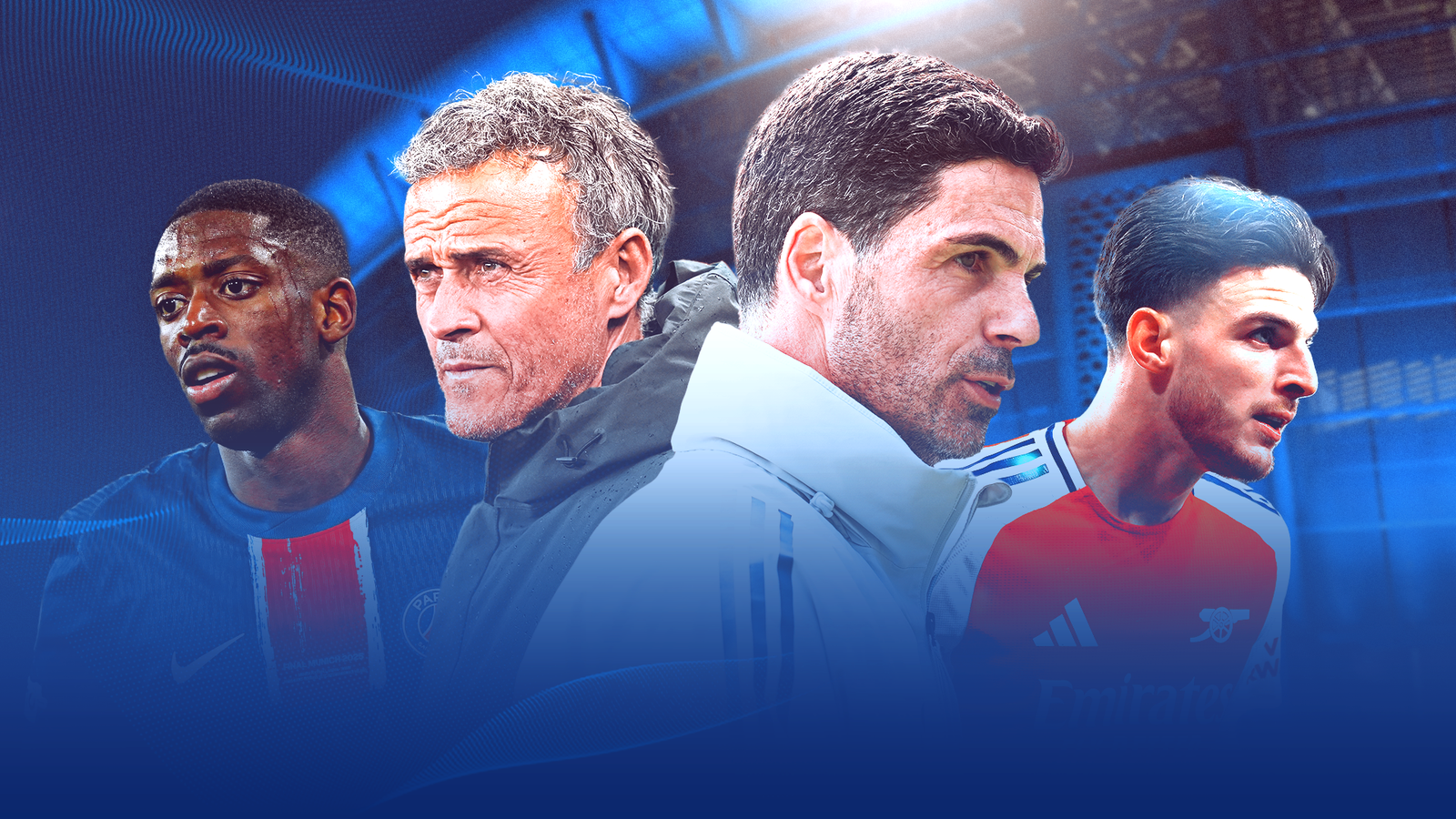
The Champions League final finally arrives
Tonight in Munich, we witness the culmination of the 2025-26 season. It is May 28, 2026, and the European throne is vacant. The stadium lights will illuminate a match that feels larger than just silverware; it represents the closing chapter of a specific vintage of continental football before the industry pivots toward the 2026 World Cup.
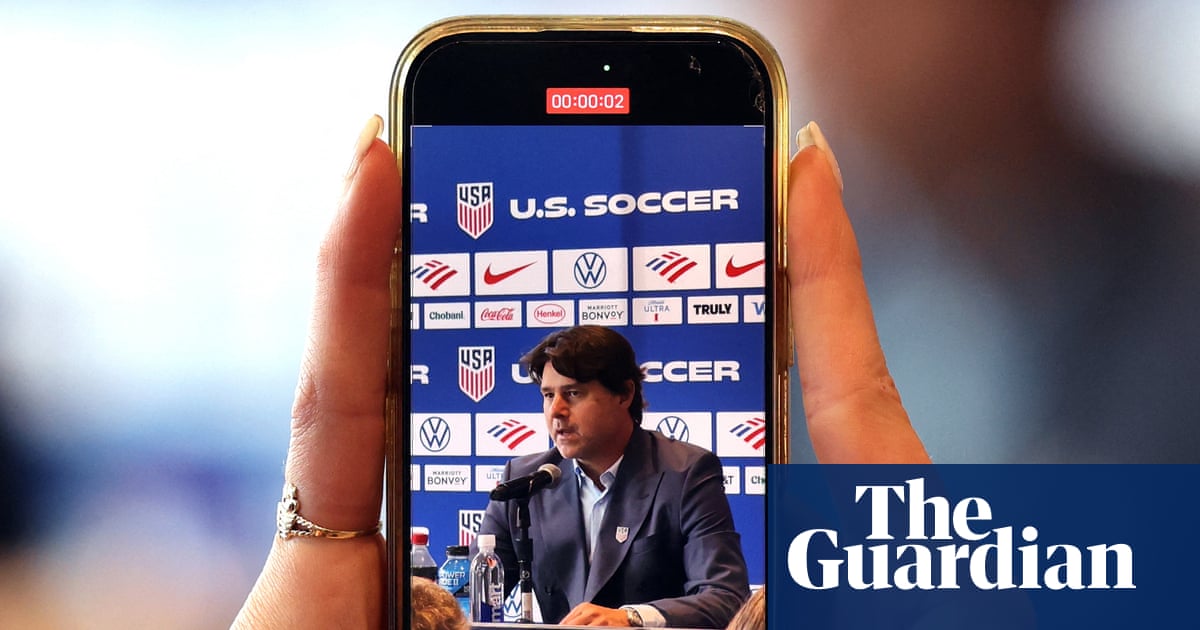
Tactically, the modern game has trended toward high-intensity pressing and asymmetrical wide play. We have seen this across the board, from the Mauricio Pochettino approach to squad management to the growing interest in niche formats like World Sevens football. However, tonight requires a different brand of pragmatism.
Midfield control dictates the outcome
The key battle resides in the half-spaces. Both finalists have prioritized defensive stability throughout their knockout runs, yielding an average of only 1.2 xG against them per 90 minutes. Whoever forces the opposing defensive midfielder to drop into a back three first will win the battle of attrition. If you notice the number six drifting too wide in the 15th minute, expect the pendulum to swing rapidly.
There is a glaring flaw in both sides: their reliance on transition speed over sustained possession in the final third. When the game slows down, creativity often evaporates. If the scoreline remains deadlocked at 0-0 by halftime, watch for the tactical substitution of a direct winger to disrupt the organized shape. Static attacks have been the undoing of many favorites this season.
The weight of the 2026 awards
The player who lifts the trophy tonight will likely cement their place at the top of the 2026 BBC Football Awards voting. Individual brilliance is often discounted in tactical analysis, but the pressure here is immense. We are looking at a stage where a single misplaced pass in the 82nd minute can derail an entire season's labor.
Critics point to the lack of rotation in the defensive lines of both finalists. By playing the same core eleven for the duration of the tournament, the managers have traded freshness for rhythm. Fatigue will show, likely appearing as poor touch or sluggish recovery runs near the final whistle. This is not the clean, surgical football of mid-season; this is an endurance test.
The final verdict
My eyes are on the transition phases. One team possesses superior defensive transitions, moving from a 4-3-3 attacking shape to a 4-5-1 block in under four seconds. This specific mechanical discipline is what wins titles.
I expect caution until the hour mark, followed by a frantic push from the underdog. However, the experience of the favorites should prevail in a narrow 1-0 result. It won't be a classic for the ages, but it will be a display of disciplined, high-stakes football that rewards the manager who keeps his head when the space begins to close.
Read Next
- Arsenal and City dominated the stats, but individual anomalies defined 2026
- Arsenal have finally reconciled their identity with top-flight dominance
- Crystal Palace are staring at European history in the Conference League final
- Arsenal have the tactical edge to settle their Champions League demons
- ⭐ UCL 2026 — Champions League Quarter-Finals Hub