The Moments That Defined the '26 Campaign
The 2026 football season trajectory shifted sharply toward North American dominance and tactical resets long before the World Cup fever began. These ten moments represent the inflection points where form guides, league standings, and career narratives were rewritten.
1. Kai Havertz nets the opener in the Champions League Final
Havertz proved his big-game pedigree once again on the biggest stage. By tucking away a precise finish in the first half of the final, he validated the transfer expenditure that once drew heavy scrutiny. This moment signaled Arsenal’s intent to move past recent European heartbreak.
It sits at the top because it altered the psychological makeup of the squad. While other results were statistical outliers, this goal fundamentally changed the club's trophy pedigree. A lead established in the 14th minute set the defensive tone for the remainder of the fixture.
2. Manchester City’s defensive restructuring in March
Pep Guardiola famously moved away from his inverted fullback setup during the late winter slump. The transition to a classic back four stabilized a leaking unit that had conceded too many cheap transitions. It was a rare admission that the system needed a mechanical update.
This ranks high because of the sheer tactical courage involved. Most managers would stubbornly stick to a rigid philosophy, but this modification saved the league campaign. It proved that even elite schemes have expiration dates.
3. The officiating controversy at Anfield in February
The VAR intervention that disallowed a stoppage-time equalizer remains the most divisive incident of the year. Officials failed to communicate the specific frame used to determine offside, leading to a cascade of protests from the technical area. The game ended 2-1 to the visitors, a scoreline that changed the title race math instantly.
Critics point to this as the clearest failure of current review protocols. It highlighted the lack of transparency in officiating bodies. The decision forced a change in how league officials brief managers post-match.
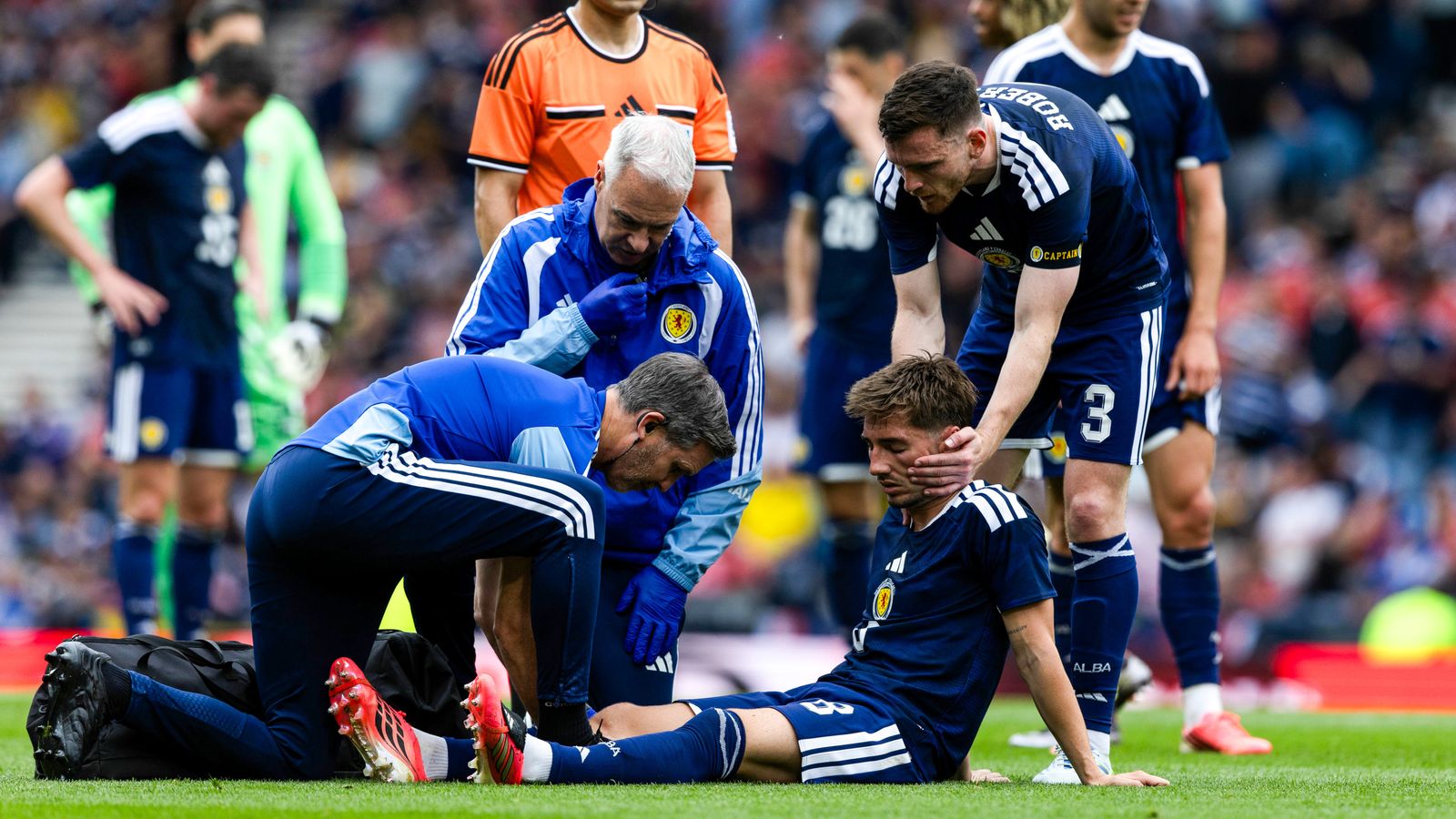
4. Jude Bellingham’s injury sidelining during the title push
Real Madrid lost their engine room for a critical stretch in April. The drop-off in output was immediate, showing how heavily the side relied on his transitional play. Without his coverage, the transition defense became porous.
His absence proved that Madrid lacks true depth in the pivot position. The team failed to adapt to his absence for three consecutive draws. It serves as a reminder that star reliance is a dangerous game.
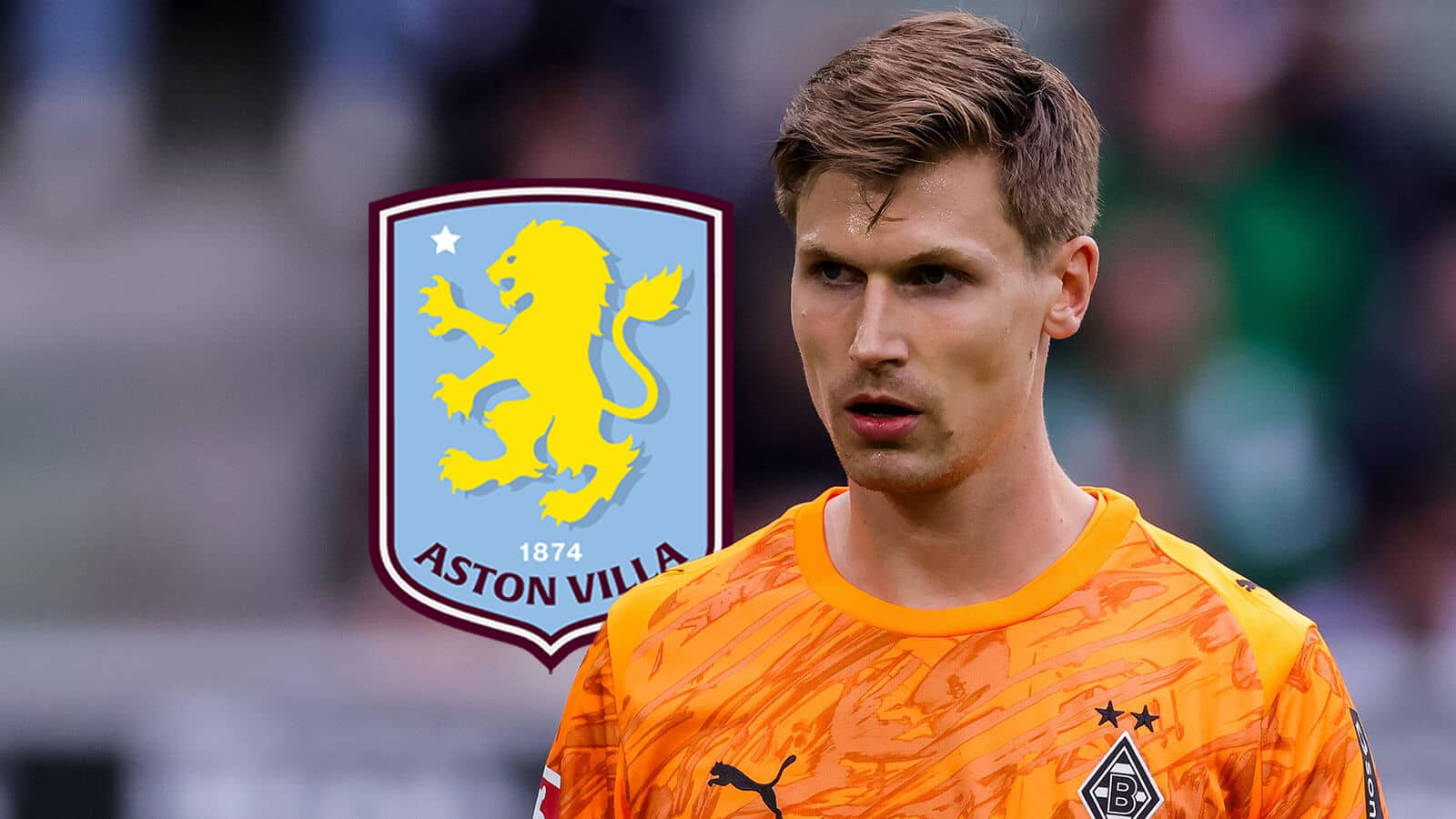
5. Aston Villa sustaining a top-four challenge until Matchday 35
Villa’s run defied every financial metric in the league. Their high-line trap effectively neutralized high-possession opponents throughout the spring months. They secured a 3-0 win against a top-six side that shook the table rankings.
They eventually faded physically, but the sustainability of their press requires credit. It remains the most impressive tactical achievement of the year despite the late-season drop. Only a wafer-thin squad kept them from silverware.
6. Bayer Leverkusen’s unbeaten league record falling
The historic streak finally broke in a chaotic 4-3 thriller. The pressure of maintaining perfection seemed to hang over the players for weeks before the collapse. While the result was a loss, the performance levels leading up to it were generational.
This lands here because it ended the best narrative arc in European football. It forced the manager to change his approach to squad rotation. The loss was a reality check that even invincible sides eventually succumb to fatigue.
7. PSG’s defensive capitulation against Arsenal
As Sky Sports confirmed during their live coverage, the PSG backline struggled to track runners in the Champions League cycle. The collapse was not a lack of talent but a lack of organization. The tactical discipline simply evaporated under pressure.
It highlights a deeper systemic rot within the Parisian recruitment structure. You cannot buy cohesion, regardless of the transfer budget size. This game was a masterclass in how to exploit a fractured squad.
8. The emergence of tactical youth in Serie A
Several mid-table clubs abandoned the traditional Italian defensive posture for aggressive pressing. Teams started engaging opponents in their own third regularly, leading to chaotic and high-scoring affairs. This shift generated the highest goal-per-game average in a decade.
The move matters because it forces traditional powerhouses to evolve. It made for a more entertaining product for the average viewer. The gamble paid off with higher ticket sales across the board.
9. Wrexham’s rise to the second tier
The Hollywood-backed project officially reached the Championship level. While some scoff at the commercial aspects, the footballing operations were sound. They invested in a reliable core that mastered the physical demands of lower-league play.
It ranks here due to the sheer velocity of the ascent. Converting a League One side into a promotion contender required genuine scouting excellence. Skeptics originally predicted a mid-table finish, but they wrong-footed the experts.
10. The pre-World Cup squad rotation protocols
Every major European club adopted a rigorous monitoring system for players ahead of the June kickoff. This resulted in dozens of late-season withdrawals that weakened the quality of the final league rounds. It was a frustrating, albeit necessary, compromise for the international calendar.
It serves as a stark reminder of the tension between clubs and countries. Fans paid full price to watch under-strength lineups in May. It remains the most negative trend of the 2026 season.
Honorable Mentions
The late-season managerial changes in the Bundesliga shook the standings, while the development of personalized fitness data for strikers marked a significant technological step forward for the clubs involved.