The Big Picture
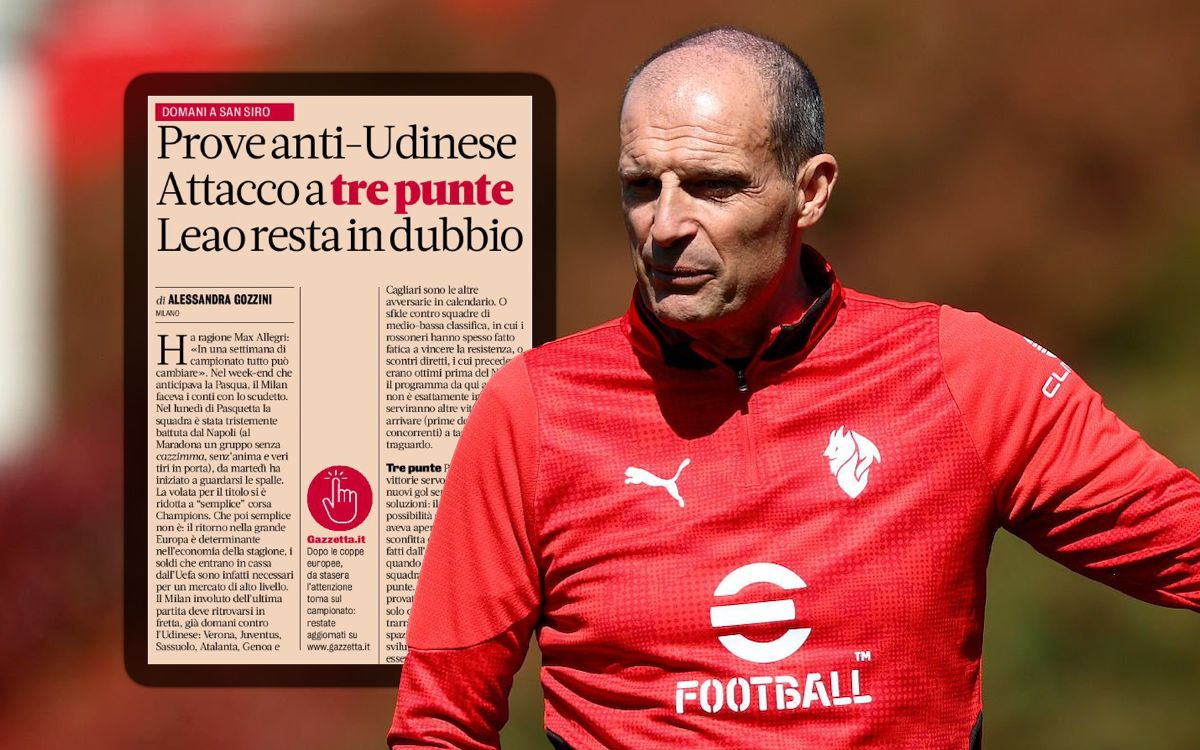
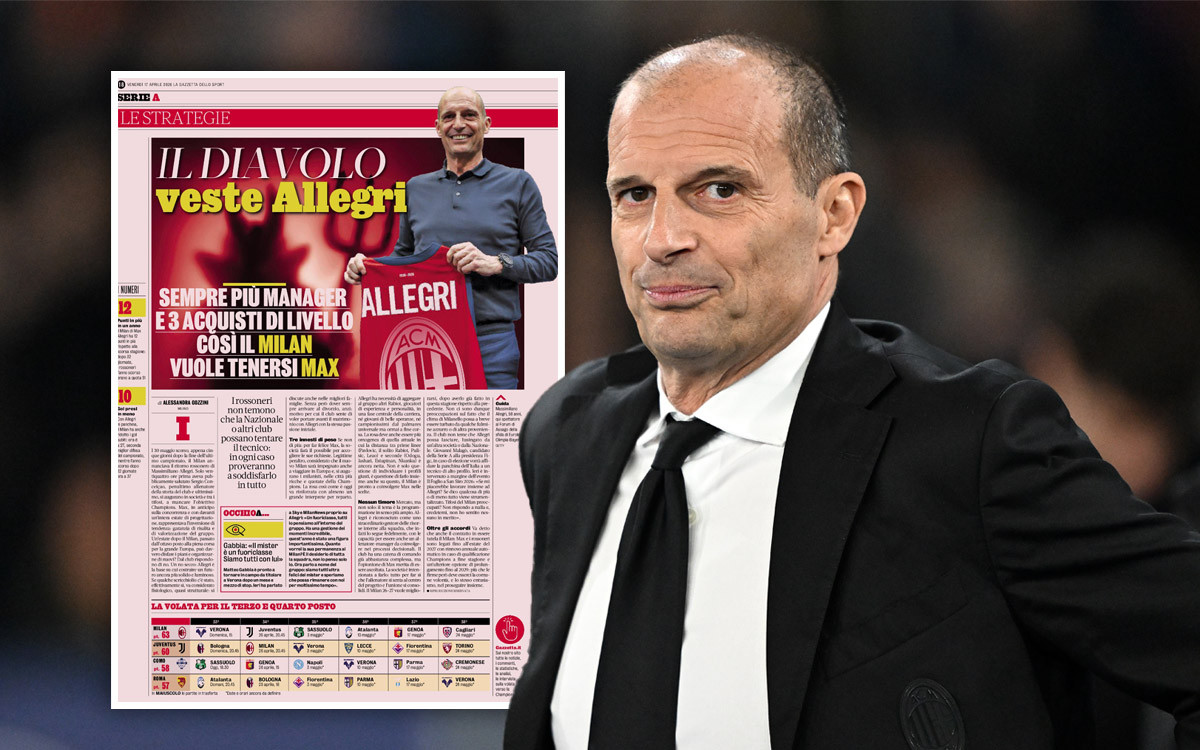
Massimiliano Allegri is currently operating in the most polarized environment in Italian football. While the AC Milan management remains publicly tethered to his results-first doctrine, the distance between the coach’s tactical rigidity and the club’s massive summer investment has reached a breaking point. As of April 16, 2026, the San Siro is a pressure cooker where every 1-0 win feels like a temporary stay of execution rather than a step toward a new era.
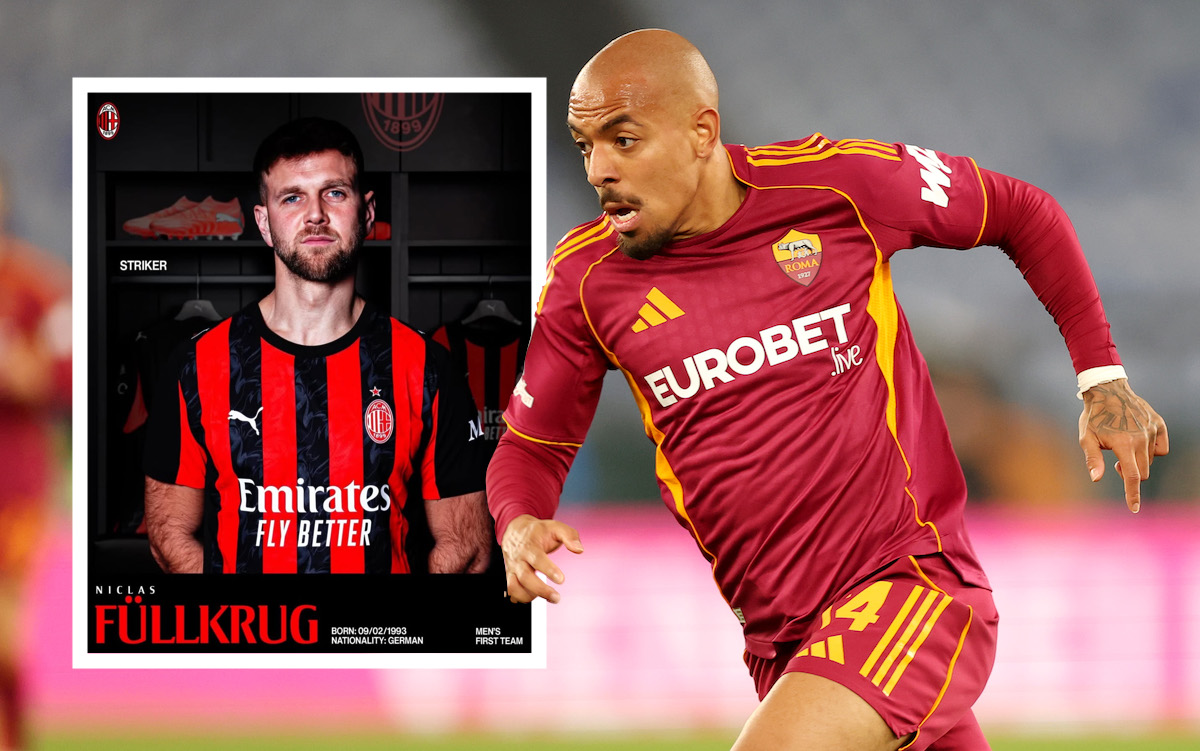
10. The Midfield Loan Disaster
The return of Yunus Musah and Ismael Bennacer represents a massive logistical and financial failure for the current project. With roughly 40 million euros in combined value effectively sitting in limbo, Allegri has shown zero interest in integrating these returning assets into his current rigid system. It is a damning indictment of the lack of alignment between the scouting department and the coaching staff. This situation creates a bottleneck that prevents Milan from moving for fresh targets in the upcoming summer window. Allegri’s refusal to adapt his midfield rotation to accommodate these profiles is a primary reason for the current stagnation. It forces the club to sell at a loss or keep disgruntled players on a high-wage bill.
9. The Santiago Castro Agreement
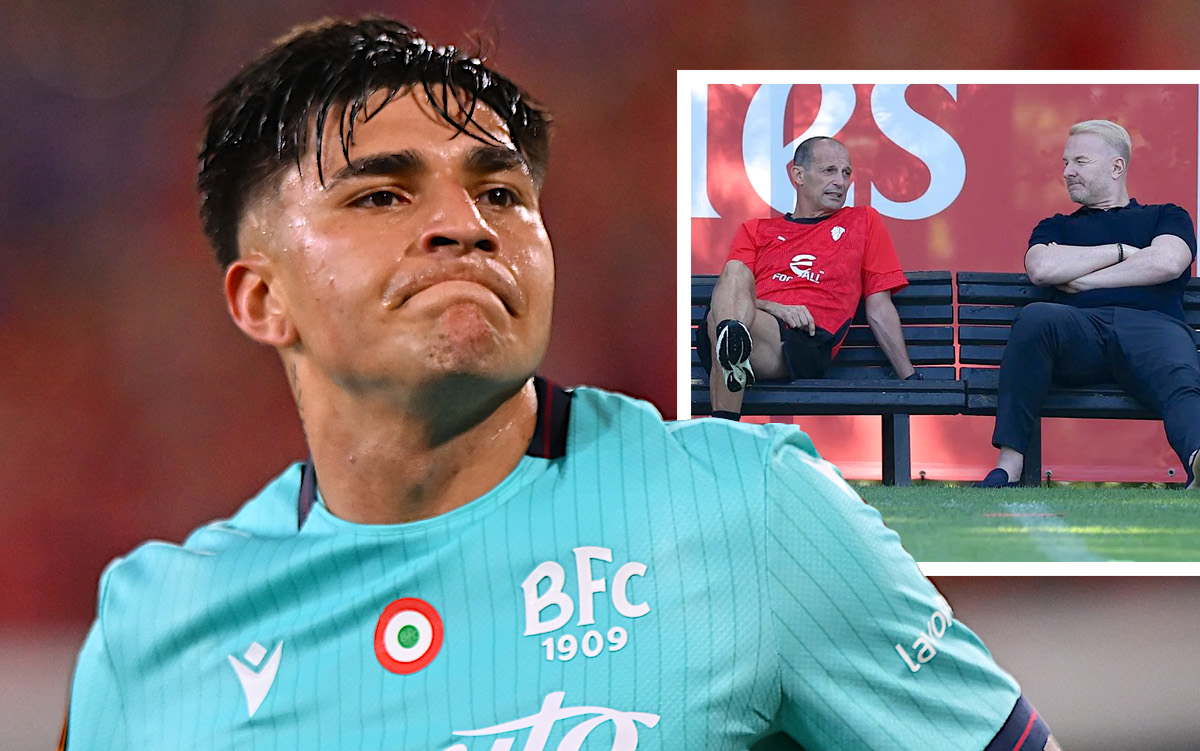
Securing a verbal agreement for Bologna striker Santiago Castro is a rare moment of synergy between Allegri and the Milan board. The Argentine forward fits the physical profile Allegri demands: a selfless runner who can hold the ball under pressure and allow the wingers to join the attack. Reports suggest that Tuttosport has confirmed both management and coach see Castro as the ideal rotational piece. Unlike the expensive gambles of the previous summer, this move feels tailored to the coach’s specific needs. However, the move also signals a departure from the high-flair attacking style fans were promised when RedBird first took control. It is a pragmatic signing for a pragmatic manager who cares more about defensive triggers than goal-scoring charts.
8. The 3-5-2 Tactical Pivot
Allegri recently reverted to his most trusted defensive formula during the trip to Verona, and the results were as predictable as they were dull. By deploying a 3-5-2 formation, he effectively sacrificed Milan’s wide threat to ensure central solidity. This move was a direct response to a string of defensive lapses that saw the Rossoneri leaking goals to bottom-half opposition. While it stabilized the backline, it also marginalized several high-priced creative players who have no natural home in a five-man midfield. It is the ultimate Allegri move: burning the furniture to keep the house warm for one night. He would rather win 1-0 with three center-backs than risk a 3-2 shootout that showcases the team's individual talent.
7. The Gabbia-Tomori-Fofana Foundation
The trio of Matteo Gabbia, Fikayo Tomori, and Youssouf Fofana has become the only untouchable part of Allegri’s setup. These three players represent the physical floor that Allegri refuses to lower, regardless of the opponent. Gabbia has emerged as the surprise leader of this group, providing the vocal organization that Tomori often lacks during high-pressure moments. Fofana acts as the human shield in front of them, covering an absurd amount of ground to mask the lack of mobility in the rest of the midfield. This structural choice is the only reason Milan is currently fighting for a Champions League spot. Without this specific defensive shield, the lack of a cohesive attacking plan would have likely seen Allegri sacked before the spring began.
6. The Internal Replacement Shadow
The names of Vincenzo Italiano and D’Amico are now regularly whispered in the corridors of Casa Milan. As Corriere dello Sport reported, the management is already vetting candidates who could bring a more modern, proactive philosophy to the dugout. Allegri is fully aware that his successor is likely already being profiled by the data team. This creates a strange atmosphere where every press conference feels like a defensive monologue aimed at protecting his legacy. The club is clearly preparing for a post-Allegri world, even while Furlani publicly backs the current coach. It is a classic Serie A standoff where the board is waiting for the right moment to pivot without causing a total collapse of the season's goals.
5. The FIGC and Italy Job Lure
The looming vacancy at the Italian National Team is the biggest threat to Allegri’s continuity at Milan. FIGC president-elect Malagò has remained coy about the links, but the gravitational pull of the Azzurri job for a coach of Allegri’s age is undeniable. Milan management is reportedly worried that the temptation of a lighter schedule and national prestige will lead Allegri to walk away in June. This uncertainty makes it difficult for the club to commit to his requested transfer targets for the 2026/27 season. If Allegri is looking at the exit door, the club cannot afford to buy players like Castro specifically for his system. It is a stalemate that hurts the club’s ability to plan for the long term.
4. The 150-Million-Euro Trust Deficit
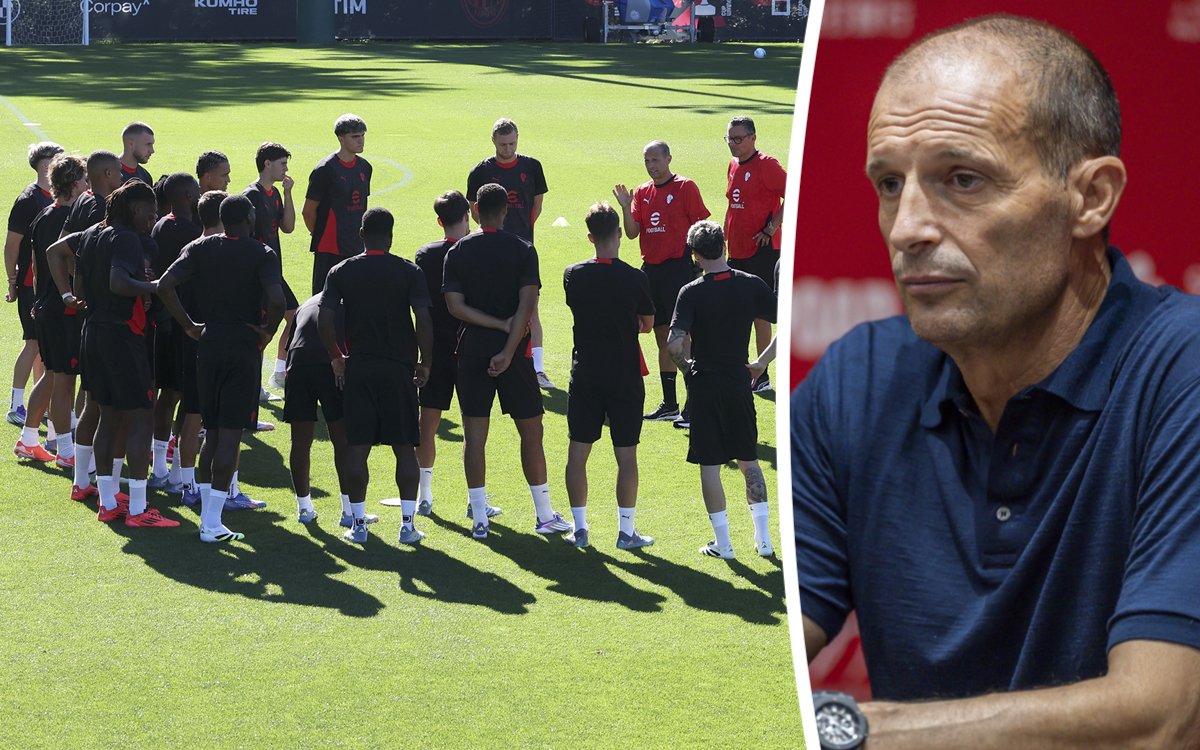
The most scathing criticism of Allegri’s current tenure is his refusal to trust the players the club spent 150 million euros to acquire. Six major signings from the last two windows have seen their minutes dry up as Allegri retreats into his circle of veterans. This is not just a tactical choice; it is a massive financial risk for a club that operates on tight margins. When a coach gives zero minutes to a 30-million-euro winger in a crucial match, he is essentially burning the club’s equity. This disconnect between the sporting director’s vision and the coach’s selection is the primary source of friction within the building. It suggests that Allegri believes the current squad is poorly constructed for his brand of football.
3. The Vlahovic Reunion Dream
Rumors of a reunion with Dusan Vlahovic have dominated the headlines as Milan looks for a way to unlock their scoring woes. According to Gazzetta dello Sport, the club is exploring how to bridge the gap with Juventus to bring the Serbian to the San Siro. Allegri remains the coach who got the best out of Vlahovic during their time together in Turin, and he views the striker as the missing piece of the puzzle. Adding a world-class focal point would theoretically justify Allegri’s defensive-first approach. If you have a striker who scores on his only half-chance, the 1-0 win becomes a sustainable strategy rather than a fluke. However, the financial hurdles for this deal are immense, likely requiring the sale of a key pillar like Mike Maignan.
2. The Furlani Alliance
Despite the fan backlash and the stagnant style of play, Giorgio Furlani remains Allegri’s strongest ally. The two met recently to reaffirm their commitment to the current project, emphasizing stability over the volatility of a mid-season change. Allegri knows how to manage up, and his ability to convince the board that he is the safest pair of hands is his greatest skill. This alliance is built on the cold logic of the balance sheet: Allegri guarantees Champions League revenue, even if it isn't pretty. As long as the top-four finish remains likely, Furlani is hesitant to pay the severance package required to terminate Allegri’s contract early. It is a marriage of convenience that frustrates the fanbase but satisfies the investors.
1. The Corto Muso Doctrine
The defining element of Allegri’s Milan is the "Corto Muso" philosophy—the idea that winning by a nose is just as good as a blowout. In his mind, a match where his team has 80 percent of the ball is a match out of control. He prefers the disciplined, suffering-heavy performances that end in narrow victories. This ranks at number one because it dictates every other decision on this list, from the 3-5-2 formation to the distrust of creative youth. It is the hill Allegri is prepared to die on. While the rest of Europe moves toward high-pressing, expansive football, Allegri is doubling down on a vintage Italian style. It is either a masterclass in pragmatism or a stubborn refusal to evolve, and the final month of the 2025/26 season will decide which legacy he leaves behind.
Honorable Mentions
The development of Kevin Zeroli and Francesco Camarda remains a side-story that Allegri has largely ignored, much to the chagrin of the youth academy directors. Additionally, the constant speculation surrounding Theo Hernandez’s defensive positioning continues to be a point of tactical contention during every film session. Finally, the rumors of a potential return for Zlatan Ibrahimovic in a non-playing capacity have added another layer of complexity to the locker room dynamics Allegri must navigate daily.