The Anatomy of Greatness
Becoming a champion requires more than talent; it demands the mental fortitude to survive the high-stakes pressure of European nights. These ten squads are defined by their ability to execute when the margins for error shrink to nothing.
The Ranking
- Real Madrid 2017: This squad perfected the art of the Champions League knockout stage under Zinedine Zidane. They became the first team to successfully defend the trophy in the modern era, showing ruthless efficiency in the final against Juventus. Their ability to switch gears in the second half of matches separated them from every other contender that decade.
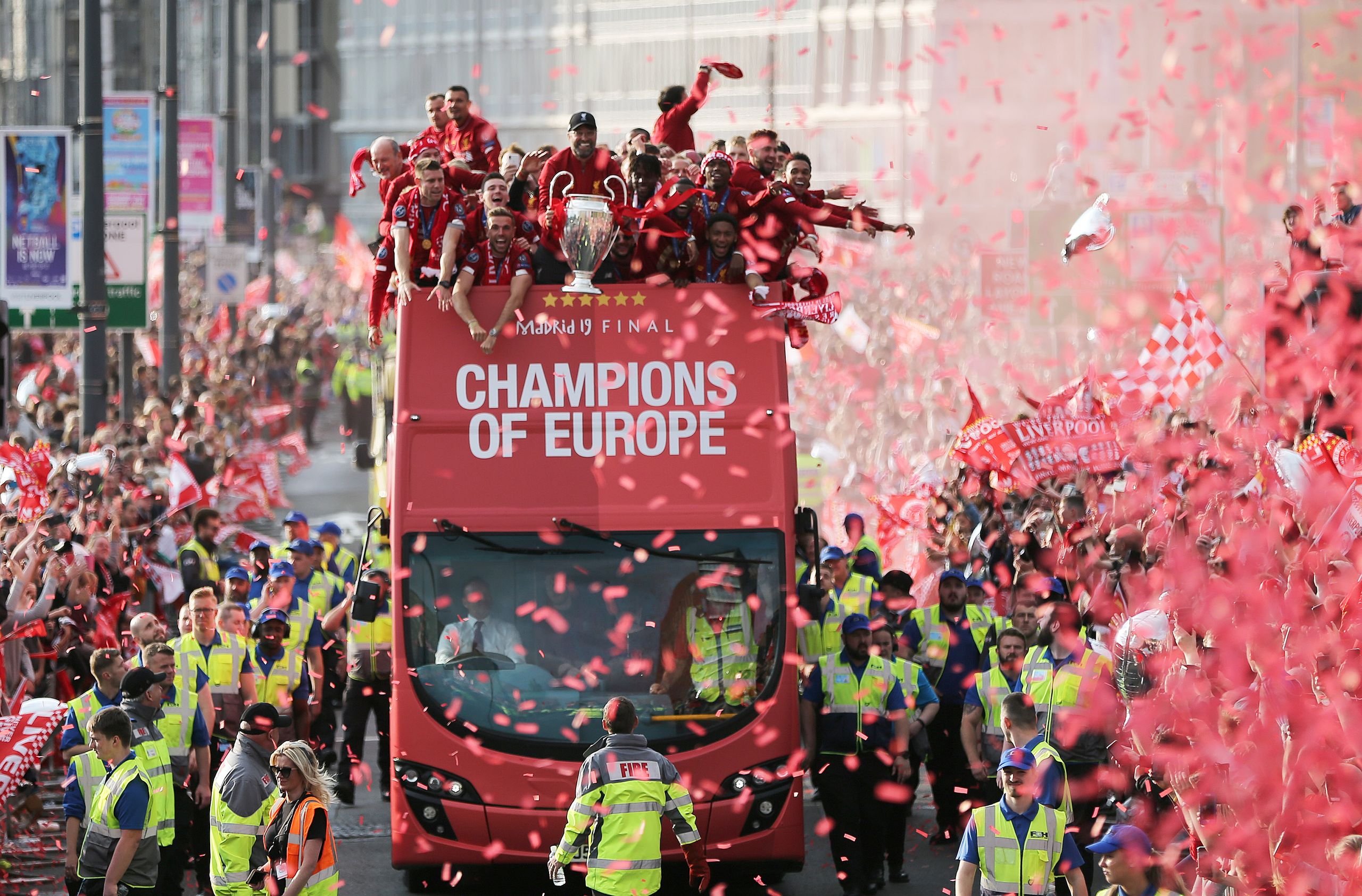
- Liverpool 2019: As Fabinho recently recalled, the scale of this achievement was only felt once the players hit the city streets. They overcame a 3-0 deficit against Barcelona with a level of intensity rarely seen in professional sports. This remains the gold standard for pure managerial tactical discipline.
- Barcelona 2011: Pep Guardiola’s side played a version of football that made opponents look like bystanders. They dismantled Manchester United at Wembley with a clinical precision that bordered on cruel. Critics argue their reliance on a single system was a flaw, but it was an unstoppable one.
- AC Milan 2007: Never bet against Carlo Ancelotti when he has a midfield of veterans. This team was an ode to defensive structure and clever transitional play, avenging their 2005 collapse against Liverpool. Their discipline in the final minutes of the tournament finals is unmatched in history.
- Bayern Munich 2013: Jupp Heynckes created a machine that physically dominated every side in its path. By crushing Barcelona 7-0 on aggregate, they sent a clear message about the new hierarchy of European football. Their efficiency in wide areas allowed them to bypass even the most stubborn low-block defenses.
- Manchester United 1999: They were not the best team in Europe for most of the season, but they were the hungriest. Two goals in stoppage time against Bayern Munich defined the club’s legendary resilience. They prove that luck is a factor, but preparedness is the primary variable.
- Inter Milan 2010: Jose Mourinho mastered the art of the tactical shutdown during this campaign. They eliminated the favorites through sheer defensive willpower and quick counter-attacking bursts. It was not pretty, but it was profoundly effective in a sport obsessed with aesthetics over results.
- Chelsea 2012: This team fought through every possible adversity on their path to Munich, including a reduced squad against Barcelona. They survived by playing a heavy defensive line and praying for a moment of transition. It is the most improbable title run in the history of the competition.
- Ajax 1995: Louis van Gaal introduced a youth-led movement that revolutionized how we think about space on the pitch. They beat an experienced Milan side by trusting their academy graduates over big-money signings. The reliance on young players created volatility, yet it remains the most beautiful campaign on this list.
- Liverpool 2026 Candidates: The current squad is actively navigating a transition period, evidenced by the recent injury drama surrounding Mohamed Salah. While they spent 241m on recruits like Florian Wirtz and Alexander Isak, their reliance on a departing star creates a fragile dependency. Failing to secure the future while pushing for a title is a massive tactical gamble by the front office.
The Big Picture
History favors those who can adapt during the final ninety minutes of a season. While spending remains a factor, the tactical decisions made in the boardroom and on the training pitch ultimately dictate who hoists the trophy.
Honorable Mentions
The 2004 winners Porto deserve notice for proving that an outsider can disrupt the hierarchy. Additionally, Spurs' recent attempts to find consistency—highlighted by recent support for players like Antonin Kinsky—show how difficult it is to move from a mid-table fight to a true European contender. Watching AC Milan struggle in current fixtures—even in women's matches against teams like Napoli—confirms that name recognition does not guarantee success in the current climate.
Read Next
- Arsenal's Champions League semi-final optimism is fading fast
- Salah’s final act at Liverpool is turning into a race against the clock
- Arsenal's Champions League semi-final optimism is fading fast
- Top 10: The Live Coverage Moments Defining the 2026 Spring
- ⭐ UCL 2026 — Champions League Quarter-Finals Hub