The Moments That Built the Game
Football is defined by hyper-specific flashes of brilliance, chaos, and institutional arrogance. These ten moments represent the inflection points where the sport shifted gears, dragging fans and clubs into new, often volatile realities.
10. Leicester City win the Premier League (2016)
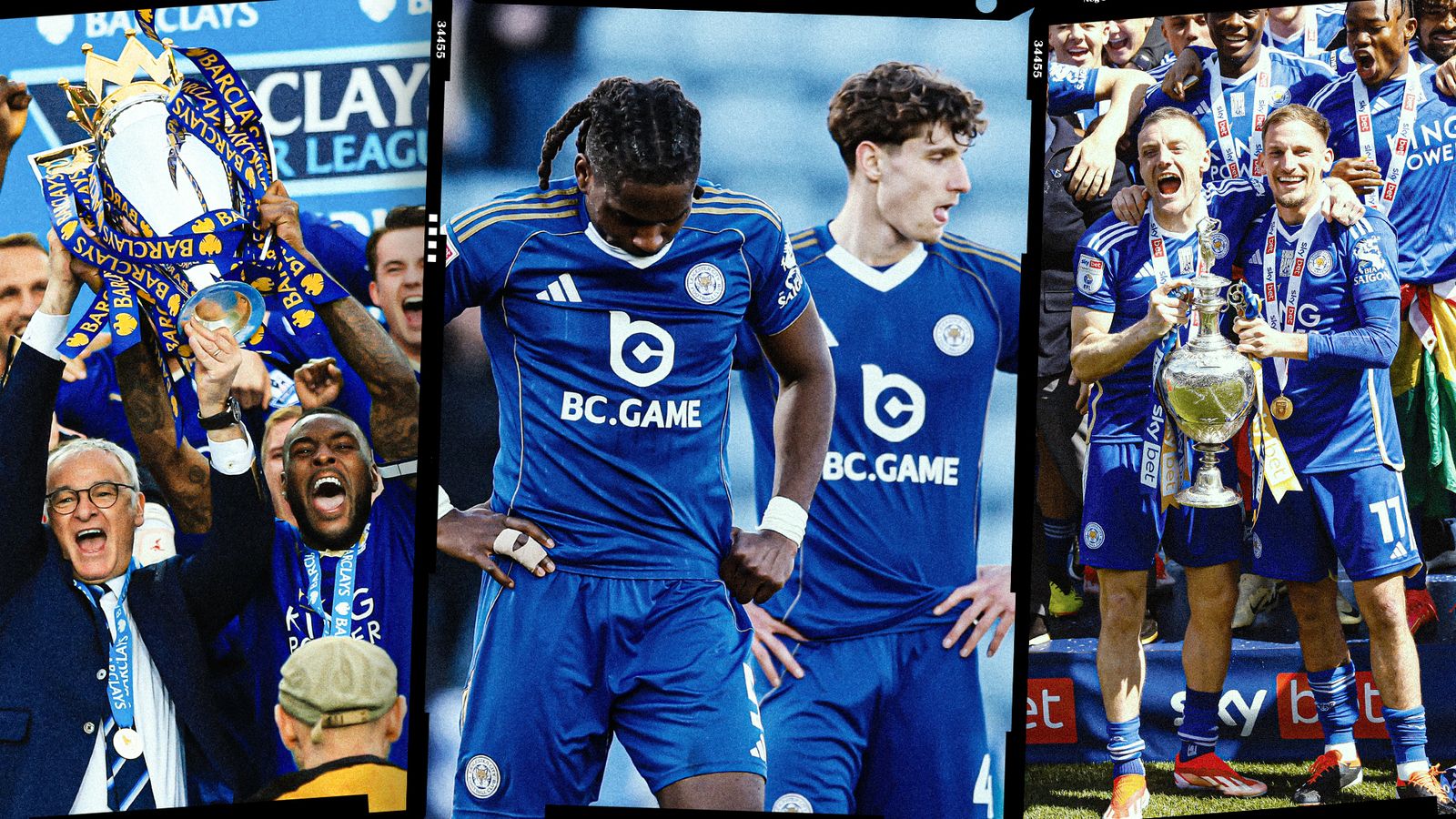
Claudio Ranieri took a club with 5000-1 odds and created a tactical anomaly that destroyed the established hierarchy of English football. They relied on Jamie Vardy’s pace and N'Golo Kante’s endless engine to expose the lack of intensity in the traditional big six. It wasn't just a fairy tale; it was a systemic failure of the league’s wealthiest clubs to account for a counter-attacking machine. While legendary, the speed of their subsequent decline is a bitter coda to the achievement.
9. The 1999 Champions League Final
Manchester United trailed Bayern Munich for 85 minutes, stuck in a tactical deadlock that favored the Germans’ rigid discipline. Then, Teddy Sheringham and Ole Gunnar Solskjaer scored in the 91st and 93rd minutes. It proved that concentration is the only currency that matters in knockout finals. Every manager since has used these three minutes as a warning against premature celebration.
8. Zinedine Zidane’s Headbutt (2006)
The greatest player of a generation ended his career with a red card in the World Cup final. After Marco Materazzi provoked him, Zidane erupted, signaling the messy, human reality behind the superstar facade. It remains the most jarring exit in sporting history. France lost the penalty shootout, and the image of Zidane walking past the trophy remains the sport's ultimate haunting visual.
7. The Hand of God (1986)
Diego Maradona proved that rules are merely suggestions if you are talented enough to outrun the officiating. By punching the ball past Peter Shilton, he didn't just score; he institutionalized dark arts as a legitimate path to victory. England players still complain about the lack of VAR, but the sheer audacity remains a masterclass in psychological warfare.
6. Brazil 1-7 Germany (2014)
This match destroyed the psyche of an entire nation in 90 minutes. Brazil’s defensive setup was non-existent after Thiago Silva’s suspension, allowing Germany to score 5 goals in the first 29 minutes. It was tactical humiliation taken to a professional level. Many argue this loss fractured Brazilian football's internal development process permanently.
5. The Bosman Ruling (1995)
Jean-Marc Bosman turned football into a truly global labor market by ending restrictions on out-of-contract players. Before this, clubs owned players like property even when their terms expired. The ruling incentivized the massive wage inflation we see today. As Sky Sports noted regarding Leicester's later struggles, financial sustainability is now a tightrope walk for most. The ruling shifted power from institutions to the individuals who actually play the game.
4. Andres Iniesta’s 2010 World Cup Winner
Spain played a brand of possession football that bored opponents into submission before finally carving them open. Iniesta’s 116th minute strike in the final against the Netherlands was the culmination of the tiki-taka philosophy. It established Spain as the most dominant international side of the 21st century. The grit they displayed in that physical match arguably saved the reputation of their technical style.
3. The Formation of the Premier League (1992)
The English top flight abandoned its traditional roots to embrace Sky Television money. This was the moment football stopped being a local pastime and became a vehicle for global content syndication. It forced clubs to become corporations, prioritizing commercial growth over community connection. The result is the richest league in the world, albeit one with significantly less character.
2. Lionel Messi’s 2022 World Cup Title
After a career of chasing shadows, Messi finally anchored himself to the top of the history books in Qatar. He dragged an average group of players through a gauntlet of tactical battles, culminating in a final against France that redefined elite competition. With a final score of 3-3, the game was a direct reflection of his own chaotic, beautiful longevity. It wasn't just a trophy; it was the final period on a sentence written over two decades.
1. The 1958 Munich Air Disaster
Nothing shaped the modern structure of top-tier English football like the rebuilding of the Busby Babes. The loss of eight players forced Manchester United to construct an identity around youth development, which birthed George Best, Bobby Charlton, and Denis Law. It is the darkest moment in the history of the sport, yet it formed the backbone of the club’s institutional resilience. Without this tragedy, the mythology of the modern game would look entirely different.
Honorable Mentions
Ronaldo Nazario’s return in 2002, Liverpool’s comeback in Istanbul, and the 1970 World Cup final. Each shifted the needle, but lacked the sheer institutional or historical weight of the top ten list.