Measuring the defining shifts on the pitch
Modern football history is carved out by tactical gambles and singular moments of execution. Distilling the top ten requires moving past sentiment to focus on the points where the trajectory of clubs and international programs shifted permanently.
Defining the modern standard
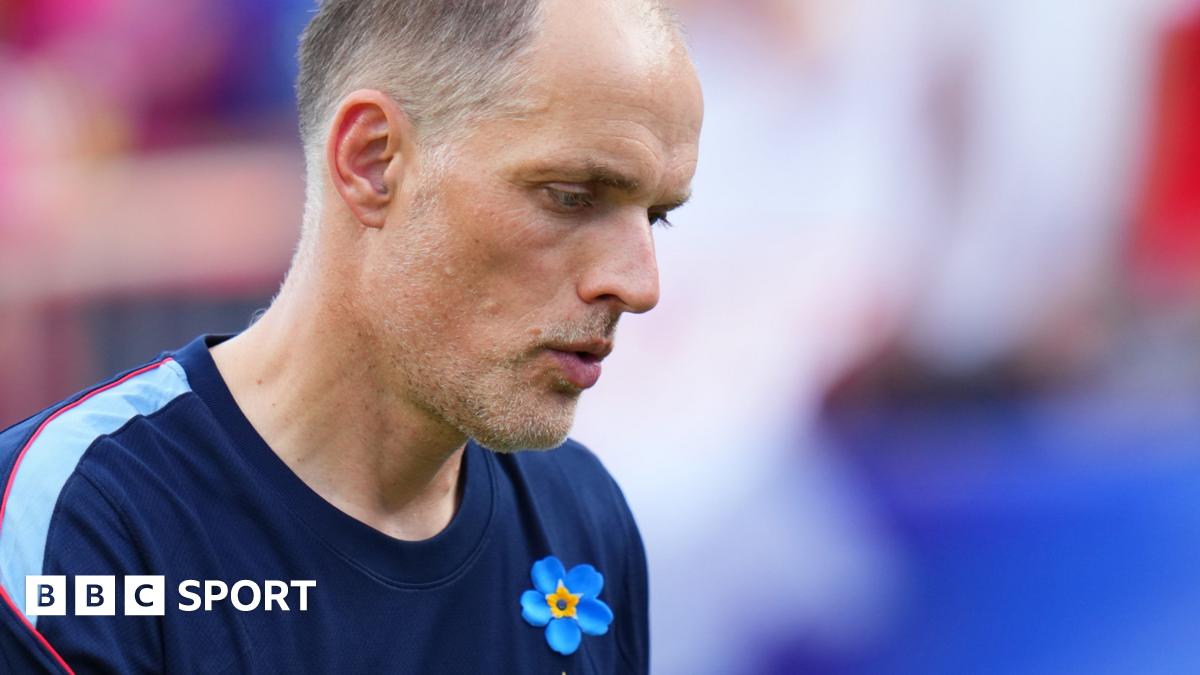
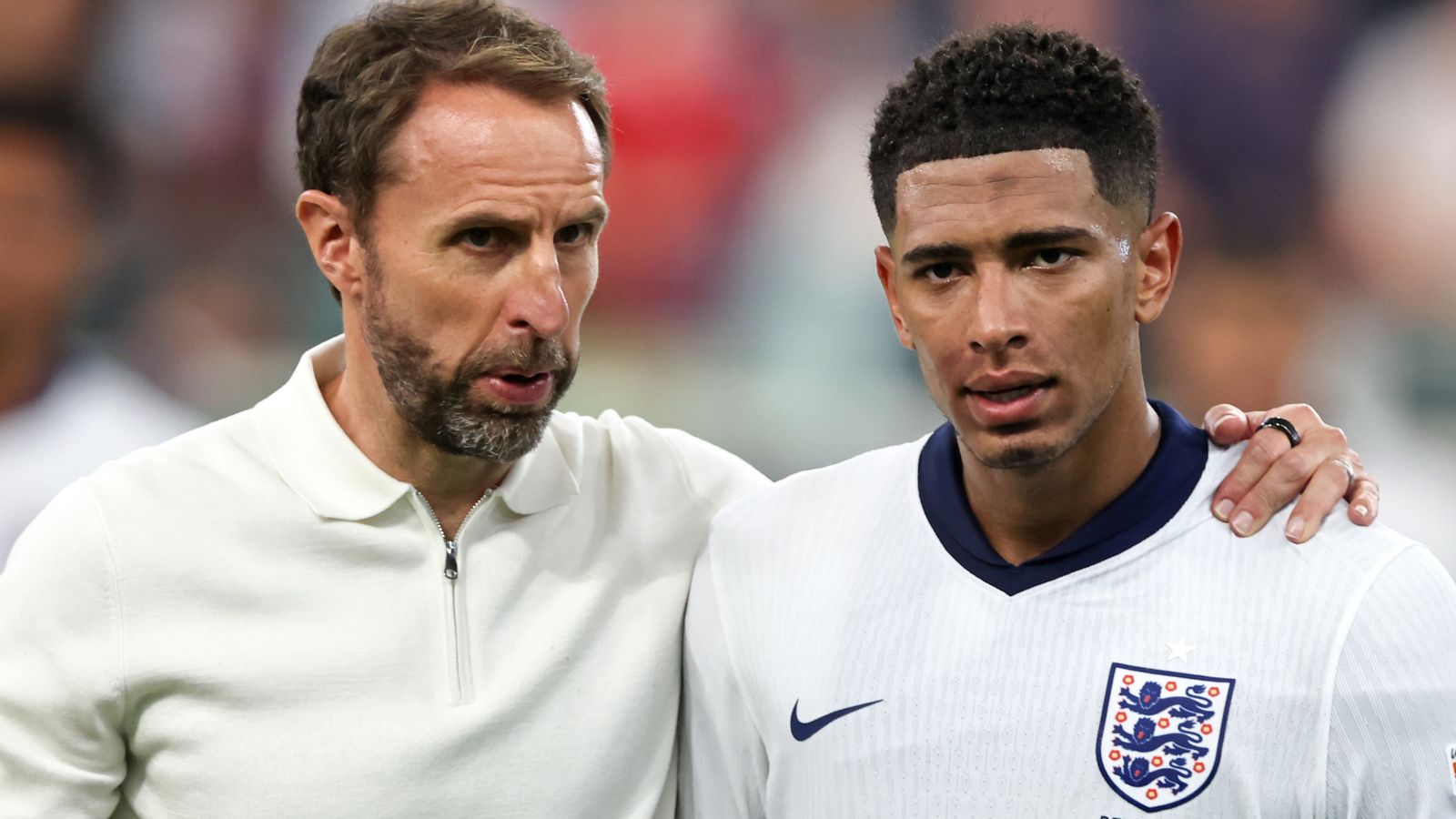
1. Thomas Tuchel taking the England managerial job. This appointment fundamentally changes the expectations for the Three Lions heading into the next cycle. Tuchel carries a reputation for winning immediate trophies, and his arrival marks a departure from the previous internal coaching philosophy.
2. The controversial exclusion of Cole Palmer from the current England squad. As noted by Emma Hayes, this decision is a classic example of Tuchel dying on his sword. Dropping a player of Palmer's current form is a high-risk gamble that defines the manager's uncompromising nature.
3. Manchester City's transition under Pep Guardiola after the 2023 treble. Many expected a drop-off, yet the tactical evolution into more structured defensive patterns kept them dominant. It proved that sustained success requires discarding successful blueprints before they become predictable.
4. Lionel Messi moving to Inter Miami in 2023. This move effectively legitimized Major League Soccer for global audiences in a single season. The influx of revenue and visibility created a clear spike in institutional value across all league franchises.
5. Real Madrid’s 2022 Champions League run. The string of comebacks against Paris Saint-Germain, Chelsea, and Manchester City defied every analytical model. It remains the most illogical sequence of play in the history of the competition.
6. Arsenal’s late defensive collapse against Aston Villa in April 2023. That specific period of dropped points surrendered the Premier League title race to City. It highlighted how fragile a title push becomes when squad depth is not rotated effectively.
7. The implementation of semi-automated offside technology at the 2022 World Cup. While frustrating for pure traditionalists, it removed the human error variable that defined decades of officiating debates. The technology, which tracks 29 data points per player, turned subjective calls into 100% objective data.
8. Gareth Bale’s final touch for Los Angeles FC in the 2022 MLS Cup. His header in the 128th minute forced the penalty shootout that gave LAFC the title. It is the single most important individual impact moment in American league history.
9. The collapse of the European Super League in April 2021. Within 48 hours, the project imploded due to fan backlash and internal dissent among the 'Big Six' English clubs. It served as a hard lesson on the limits of corporate ambition in sport.
10. Liverpool's 4-0 turnaround against Barcelona in the 2019 Champions League. Down 3-0 from the first leg, the efficiency of their press at Anfield forced a masterclass in tactical humiliation. It demonstrated that no lead is safe against highly organized high-pressing systems.
Critical observations
While these moments define the era, the management of modern football often feels disconnected from the fan base. The refusal to address fixture congestion remains a glaring failure of leadership across the governing bodies. Too many matches lead to fatigue-induced injuries, which lowers the quality of the product for the sake of broadcast revenue. Constant expansion of tournament formats serves the balance sheet, not the quality of the competition. The sport needs to pivot back to quality over quantity before the players physically break down.
Honorable Mentions
The 2024 hiring of Arne Slot at Liverpool stands out as a test of managerial continuity. Leverkusen’s undefeated 2023-2024 domestic league campaign was a outlier that deserves credit for breaking the Bayern Munich stranglehold. Lastly, the continued debate over the utility of VAR keeps every refereeing decision in the spotlight for the wrong reasons.