Defining the Modern Era
Football history is not a static record. It is a series of tectonic shifts that move the game from one generation to the next. These ten moments represent the points where the sport changed its trajectory.
We judge these by their long-term impact on the business, the tactics, and the collective psyche of the global fanbase. Some entries highlight tactical innovation while others mark profound human failure.
The Ranking of Significance
10. The 2011 Champions League Final dominance. Pep Guardiola’s Barcelona dismantled Manchester United with clinical precision. It forced every manager in Europe to rethink their defensive structure and reliance on traditional strikers.
9. The Leicester City title win in 2016. At 5000-to-1 odds, Claudio Ranieri led an unknown squad to the Premier League crown. It remains a historical anomaly that proved deep analytical scouting could defeat limitless sovereign wealth.
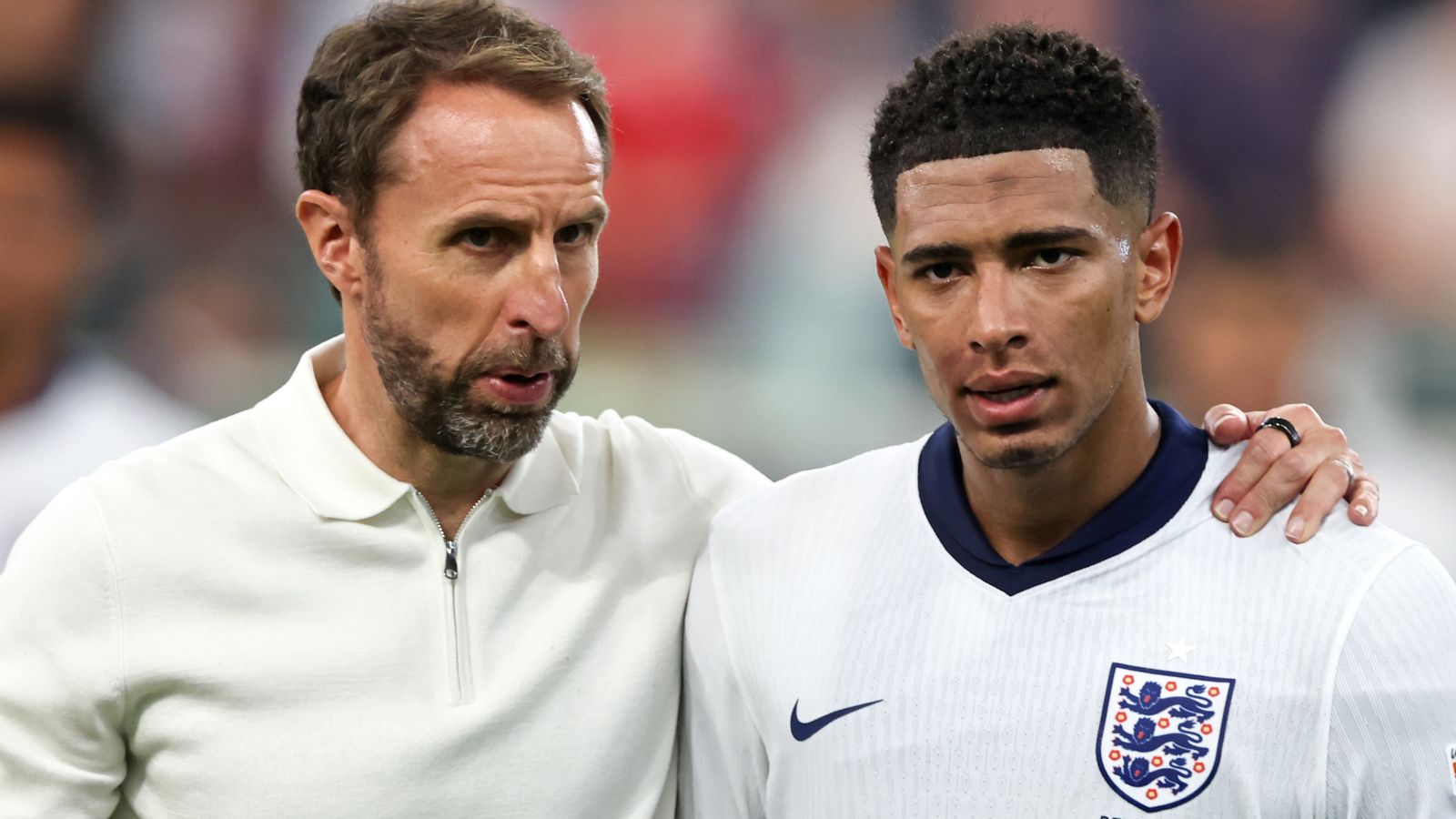
8. Jude Bellingham’s 2024 Euro experience. Bellingham recently confirmed that organizational failures plagued England during the tournament. This public admission highlights the dysfunction inside modern elite camps despite elite player talent.
7. The 2014 World Cup semi-final. Germany’s 7-1 thrashing of Brazil in Belo Horizonte silenced a nation. It was a tactical masterpiece that exposed the tactical obsolescence of the Brazilian domestic defensive setup.
6. The 2008 Manchester United Champions League victory. Edwin van der Sar’s save on Nicolas Anelka defined an era of English dominance. It validated the Premier League as the primary financial destination for elite football talent.
5. Sergio Aguero’s goal in 2012. The strike at 93:20 changed the identity of Manchester City permanently. It shifted the power balance in Manchester and signaled the start of an unrelenting domestic monarchy.
4. The 2017 Neymar transfer to Paris Saint-Germain. The move decimated the transfer market valuation of elite attacking players. By triggering a release clause of 222 million euros, PSG rendered previous economic logic irrelevant to top-tier recruiting.
3. The 2005 Champions League final in Istanbul. Liverpool clawing back a three-goal deficit against AC Milan remains the ultimate proof of variance in sport. The tactical collapse of Milan’s defense in the second half remains a point of deep scrutiny for those who believe in technical rigor over emotional momentum.
2. The 2010 World Cup final. Andres Iniesta’s goal in the 116th minute solidified the reign of Spain’s possession-heavy tiki-taka. It caused a decade of managers to sacrifice verticality for the sake of ball retention, a trend that stagnated scoring rates globally for years.
1. The 2022 World Cup Final. Lionel Messi and Kylian Mbappé provided the highest quality individual duel in the history of international play. It checked every box for legacy, drama, and technical excellence over 120 minutes.
Critical Oversight and Honorable Mentions
Not every moment was positive. The 2010 World Cup final, while historic, featured some of the most cynical tactical fouling seen in FIFA history. The refereeing decisions were largely criticized for being far too lenient, allowing chaos to overtake technical play.
Honorable mentions include Zinedine Zidane’s headbutt in 2006, the rise of the VAR system, and the formation of the failed Super League project in 2021. Each of these moments left scars on the sport that are still visible in league rules and disciplinary panels.
The Super League effort specifically showed that even the wealthiest clubs can completely misread their own consumer base. History moves fast. These moments are merely the ones we haven't forgotten yet.