The Big Picture
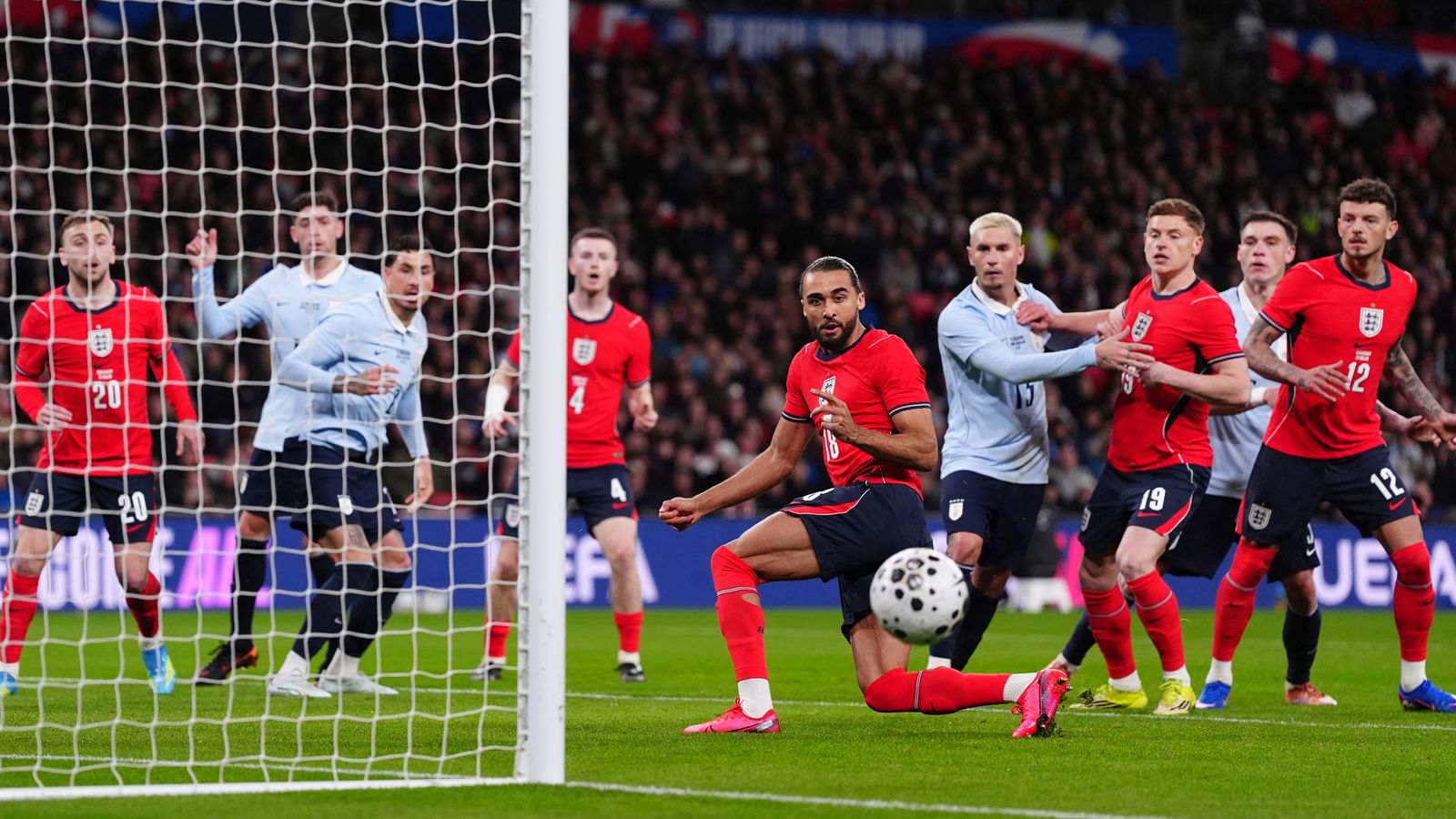
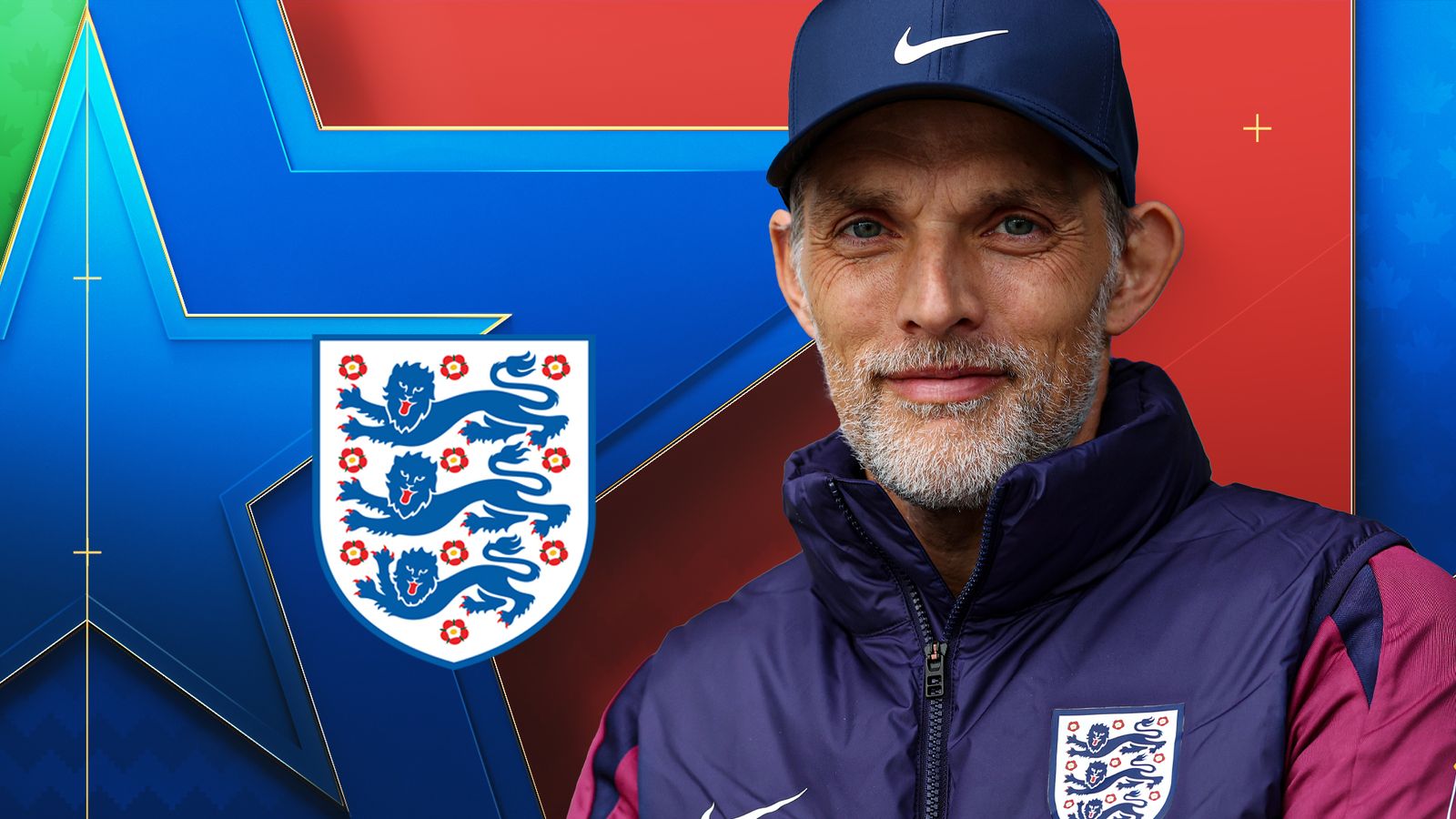
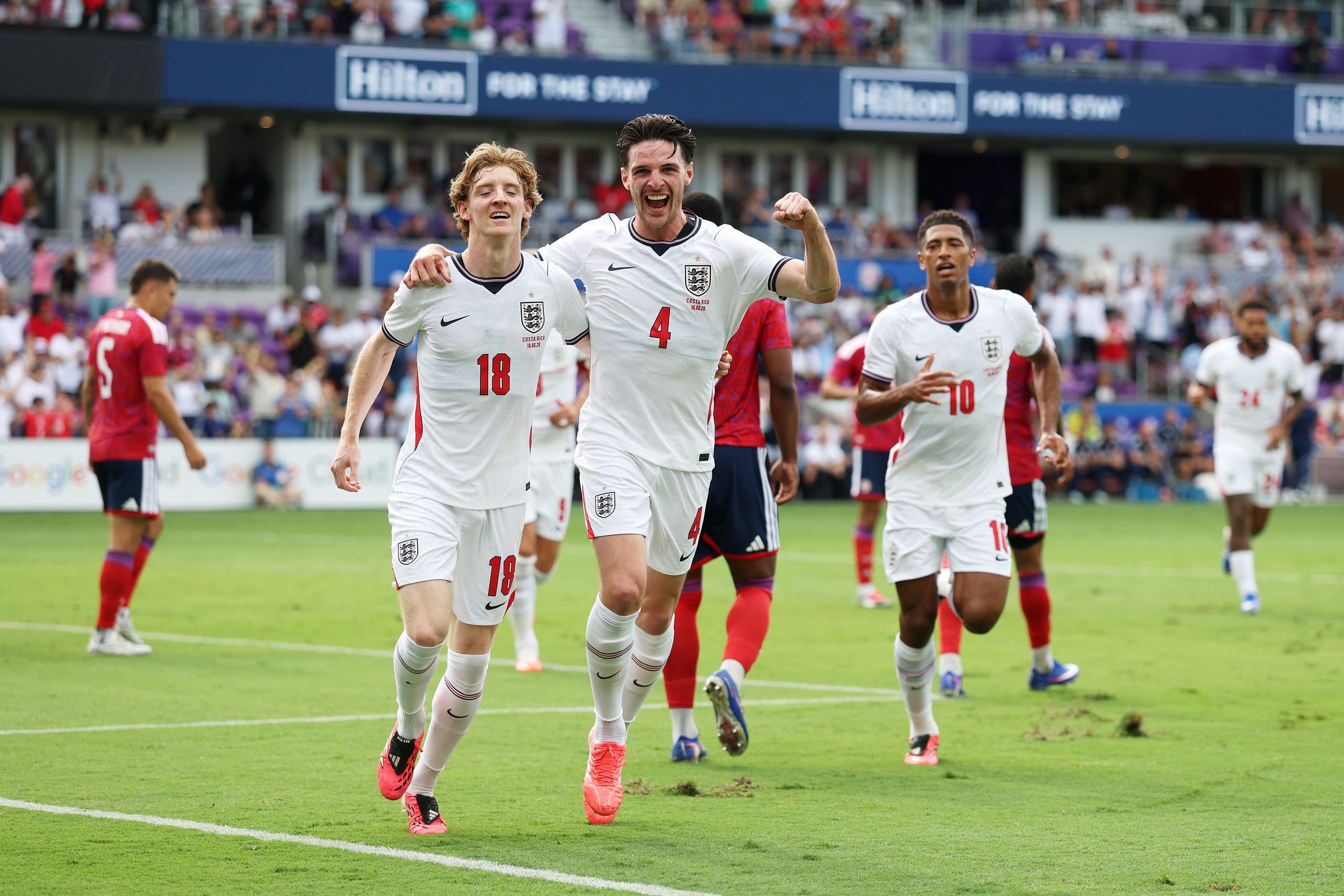
Thomas Tuchel’s squad enters the 2026 World Cup under heavy scrutiny following a final warm-up win against Costa Rica. As The Mirror reports, tactical adjustments and concerns over officiating dictate the current mood in Kansas City.
The Rankings
- Jude Bellingham: The undisputed focal point of the midfield. He recently argued that players perform best when they feel personally valued, a sentiment echoing recent BBC interviews. His ability to control tempo makes him the engine Tuchel relies on for deep tournament progression. If he loses his form, the entire progressive structure collapses.
- Harry Kane: The captain remains the primary goal-scoring threat despite age-related mobility concerns. His link-up play is world-class, yet he often drifts too deep to find the ball instead of occupying center-backs. Tuchel needs him in the box, not orchestrating from the halfway line.
- Phil Foden: The most creative spark in the final third. Foden demands the ball in tight pockets and forces defenders into costly fouls. He ranked high because his individual brilliance can unlock low-block tactics when strategy fails. However, his defensive tracking remains inconsistent against elite wing-backs.
- Bukayo Saka: Saka’s consistency defined the qualification cycle. He provides natural width, stretches opposition backlines, and draws multiple markers, creating space for Foden. He is arguably the most reliable performer in the XI under heavy pressure.
- Trent Alexander-Arnold: A polarizing tactical headache but an offensive necessity. His range of passing allows England to switch flanks against crowded midfields. Defensively, he is a liability against speed, often leaving the center-backs exposed in transition.
- Declan Rice: The anchor who makes the adventurous system possible. Rice possesses high spatial awareness, though his distribution under heavy pressing has occasionally faltered lately. He needs to remain disciplined to prevent the gaps that occurred in the 2-0 win over Costa Rica.
- John Stones: The defensive organizer, yet physically fragile. His ability to step into midfield disrupts opposing pressing structures. If he stays fit, the defense looks coherent, but his history of muscle injuries casts a shadow over the campaign.
- Cole Palmer: The wildcard shift. Tuchel toyed with him as a hybrid ten/winger in Florida, showing he can act as a bridge between the pivot and the attack. His clinical finishing off the bench offers an immediate tactical pivot when goals remain elusive.
- Marc Guuehí: The quiet foundation of the backline. He rarely commits mistakes and wins his individual duels, offering stability when partners move forward. He is less flashy than others but remains vital to maintaining a clean sheet.
- Jordan Pickford: A divisive presence who commands his area with aggression. He remains an elite shot-stopper, yet his distribution often goes wayward under high-intensity pressure. Fans hope his tournament heroics continue, despite his erratic delivery.
Critical Assessment
The reliance on individual brilliance over a cohesive system remains a persistent flaw in this setup. Reports from the Florida training camp indicate Tuchel spent significant time debating referee interactions, which suggests a possible lack of focus on breaking down defensive blocks. Defensive transitions are the Achilles heel; against superior sides than Costa Rica, England will likely concede if they leave the flanks vacated. The squad is undeniably talented, but the management’s inability to settle on a defensive pairing reflects a deeper uncertainty. Expectations are high, yet the margin for tactical error narrows significantly once the group stage commences.
Honorable Mentions
Kobbie Mainoo continues to impress with his composure, while Ollie Watkins provides a necessary directness that Kane occasionally lacks. Both players are expected to see significant minutes as starters fatigue in the summer heat.
Read Next
- Top 10: Defining Football Moments of the 2025-26 Season
- The World Cup opener was a total refereeing circus
- Tuchel has the keys to the kingdom, now he just needs to pick the right locks
- World Cup kickoff hits Mexico City with a side of pop star surrealism
- 🏆 World Cup 2026 — Full Coverage Hub
- 🏴 England World Cup 2026 — Three Lions Hub