The Big Picture
As the FIFA World Cup 2026 draws nearer, the footballing world braces for a tournament of unprecedented scale and, increasingly, contention. Beyond the pitches, a storm brews over exorbitant fan costs and surprising political undercurrents.
This summer's North American spectacle promises drama on and off the field, with key players eyeing their legacy and federations navigating murky waters.
10. World Cup 2026 Player Injury Woes
The road to any major tournament is paved with both dreams and devastating injuries, and the 2026 World Cup is no exception. With 48 teams competing, the expanded format only increases the potential for key players to miss out due to untimely setbacks.
These absences don't just affect team tactics; they rob fans of seeing the world's best talents on the grandest stage, fundamentally altering narratives before a ball is even kicked. It's a cruel reality of the sport that the most anticipated events often come with the highest cost to individual careers.
9. The Referees Taking Center Stage
While often overlooked until a controversial call, the officials for World Cup 2026 will play a crucial role in the tournament's integrity. Their selections reflect a global effort to maintain fairness, but inevitably, some will face intense scrutiny under the bright lights of international football.
Understanding who will be in charge offers a glimpse into the potential officiating styles, a subtle yet significant factor that can dictate the flow and outcome of high-stakes matches. The pressure on these individuals is immense, often outweighing the praise for a perfectly managed game.
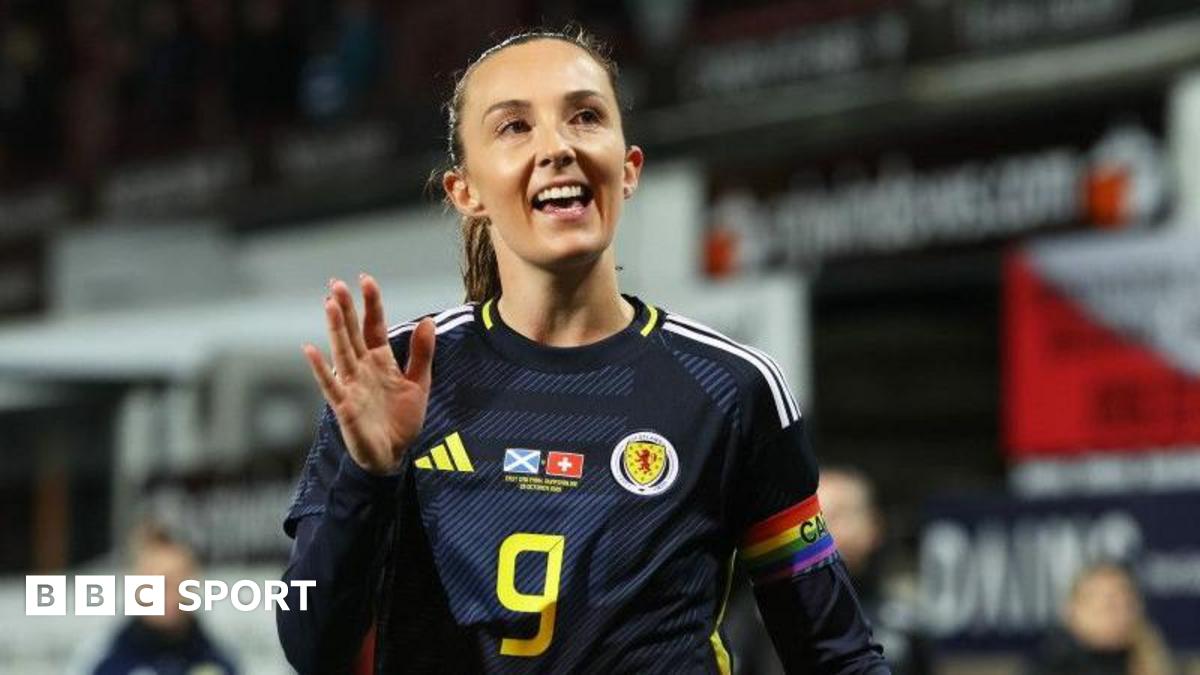
8. Calvin Miller's Unlikely World Cup Dream
From Falkirk Bairn to potential World Cup call-up, the story of Calvin Miller is a testament to perseverance and unexpected opportunity. Scoring on the big occasion at Hampden clearly left an impression, highlighting his ability to perform under pressure.
While a "Harrogate to Haiti" journey might sound improbable, it symbolizes the diverse pathways players can take to reach the pinnacle. His inclusion, even as a long-shot, would inject a much-needed narrative of the everyman defying expectations, reminding fans that World Cups are also about emergent, less-heralded talent.
7. Donald Trump's Shadow Over Iran's World Cup Spot
The intersection of sports and politics reared its head again as a White House official clarified Donald Trump's stance on Iran's participation in the upcoming World Cup. FIFA President Gianni Infantino had already spoken on the matter, underscoring the delicate dance federations perform when geopolitical tensions intersect with global sporting events.
Such external pressures can destabilize team focus and create unnecessary distractions, raising questions about the true independence of sporting bodies. It adds an uncomfortable layer of complexity to what should be a celebration of sport.
6. Scotland's "Perfect Storm" for Brazil
Scotland women's head coach Melissa Andreatta confidently declared her squad carries "no burden" in their quest to reach next year's Women's World Cup in Brazil. This mindset, after previous major finals disappointments, suggests a revitalized approach.
The team is building towards a "perfect storm" for qualification, exhibiting a determination to rewrite past narratives. A successful qualification would represent a significant psychological victory for the program, showcasing evolving mental fortitude within international football.
5. Cole Palmer's Chelsea Contentment and World Cup Hopes
Chelsea star Cole Palmer openly discussed his happiness at the club, dismissing transfer speculation and affirming his "no plans to move" stance. More importantly, he underlined his strong ambitions for a place in England's World Cup squad.
This clarity offers reassurance to Blues fans while simultaneously putting Gareth Southgate on notice about a player consistently performing at a high level. Palmer's form could be a game-changer for England, but making the final cut in a competitive squad will require sustained excellence through the build-up.
4. Joe Cole Champions Pubs for World Cup Boost
In a refreshing turn, former England star Joe Cole is backing a campaign to assist struggling British pubs by offering TV upgrades ahead of the 2026 World Cup. This initiative aims to breathe life back into community hubs that often serve as crucial gathering places for fans during major tournaments.
Beyond the commercial aspect, it highlights the cultural significance of shared viewing experiences and the wider economic impact sporting events can have. It’s a pragmatic effort to ensure the World Cup benefits local businesses, not just corporate sponsors.
3. The FA Cup's Inflated Price Problem
While the World Cup dominates headlines, the FA Cup also faces its own ticket controversy, spearheaded by a website linked to Chelsea co-owner Todd Boehly. Tickets for Chelsea matches were offered at an astronomical £1,705, sparking understandable outrage among the club's loyal fanbase.
This episode underscores a growing problem across football: the prioritization of profit over supporter accessibility. It’s a worrying trend that suggests even the most storied domestic competitions are not immune to predatory pricing, alienating the very people who sustain the sport.
2. FIFA vs. New Jersey Governor: A War of Words Over Transit Costs
The proposed World Cup train ticket prices sparked a direct confrontation between FIFA and New Jersey Governor Mikie Sherrill, with FIFA openly hitting back at criticism. The organization warned that vastly inflated fares would have a "chilling effect" on fan attendance and the overall tournament experience.
This public spat exposes the tension between host cities' financial demands and FIFA's responsibility to ensure accessibility for fans. It's a troubling precedent when the governing body itself has to push back against the very costs impacting supporters, highlighting a significant failure in planning.
1. World Cup 2026 Transit Costs: The Fan Gouging Scandal
The biggest story gripping World Cup 2026 preparations centers squarely on the outrageous transit costs for matches at MetLife Stadium. New Jersey's transit agency confirmed a $150 return ticket from New York's Penn Station, with bus options at $80, and parking at $225.
This 11-fold price hike from regular fares is an undeniable act of fan exploitation, threatening to price out everyday supporters and diminish the vibrant atmosphere integral to any World Cup. It's a PR disaster for both the host city and FIFA, casting a dark cloud over the tournament's accessibility and spirit. New Jersey’s transit agency confirmed these plans at a Friday briefing.
Honorable Mentions
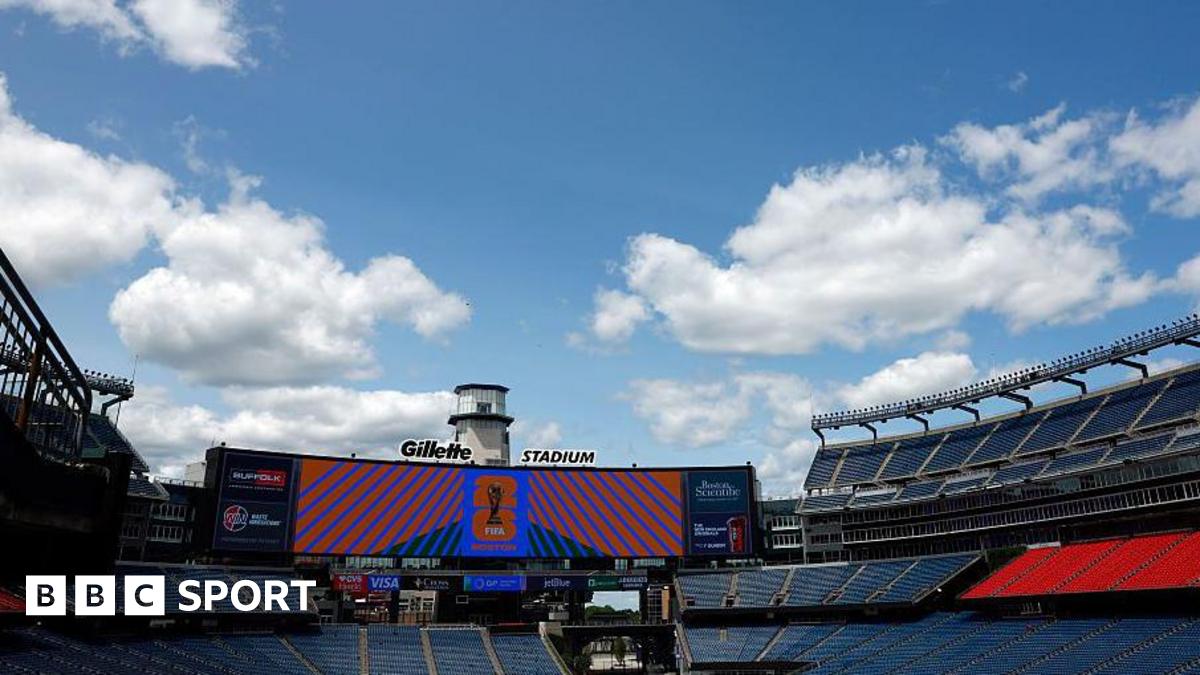
Beyond the top narratives, other elements contribute to the World Cup's unfolding story. The detailed plans for official fan zones across host nations promise vibrant communal viewing experiences, a stark contrast to the individual financial burden many will face.
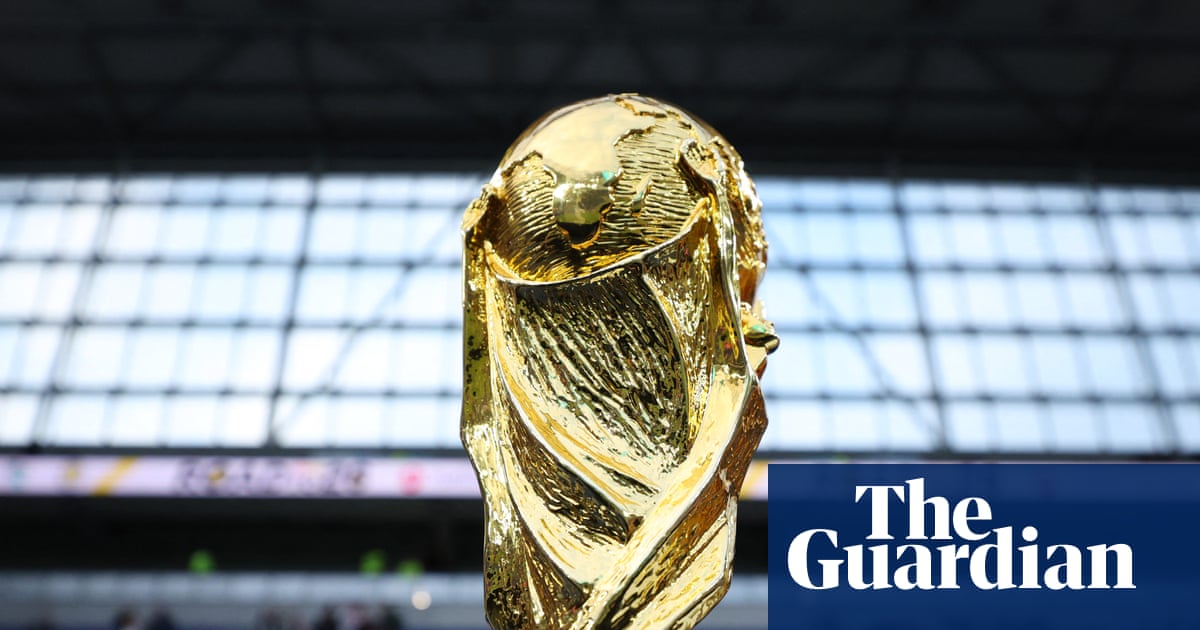
Meanwhile, the intricacies of the World Cup trophy itself and the designation of FIFA country codes add smaller, but historically rich, layers to the tournament's overall fabric. These details, while not dominating headlines, collectively form the backdrop of the global spectacle.
Read Next
- FIFA is already sleepwalking into a World Cup disaster
- Cole Palmer shuts down Manchester United transfer rumors
- Cole Palmer staying at Chelsea is the right move for everyone
- New Jersey Transit is charging $150 for a train ride and it is a total heist
- 🏆 World Cup 2026 — Full Coverage Hub
- 🏆 FA Cup Final 2026 — May 16, Wembley