The Season in Review: Tactical Shifts and High-Stakes Chaos
The 2025-26 club campaign set the stage for the upcoming international cycle with a series of high-pressure finishes. We are watching the tactical evolution of elite squads as they prepare for the 2026 World Cup kickoff.
1. Real Madrid’s Champions League Defensive Masterclass
Carlo Ancelotti solidified his legacy by shutting down the highest-scoring offense in Europe during the UCL final. By stifling movement in the middle third, Madrid secured a clean sheet despite facing 22 shots. This tactical discipline proved why veteran management still matters when high-speed strikers dominate the conversation. It was a brutal, efficient win that silenced critics of their low-possession play.
2. The Premier League Final Day Tit-for-Tat
The title race concluded with a margin of just one point after a dramatic afternoon. Arsenal’s failure to break a basement-tier low block in the final ten minutes handed the trophy to Manchester City. Watching a championship hinge on a single interception at the 89th minute reminded everyone that consistency outweighs flair. It was a failure of focus for the Gunners rather than a triumph of strategy for City.
3. Tony Popovic’s Socceroos Resurgence
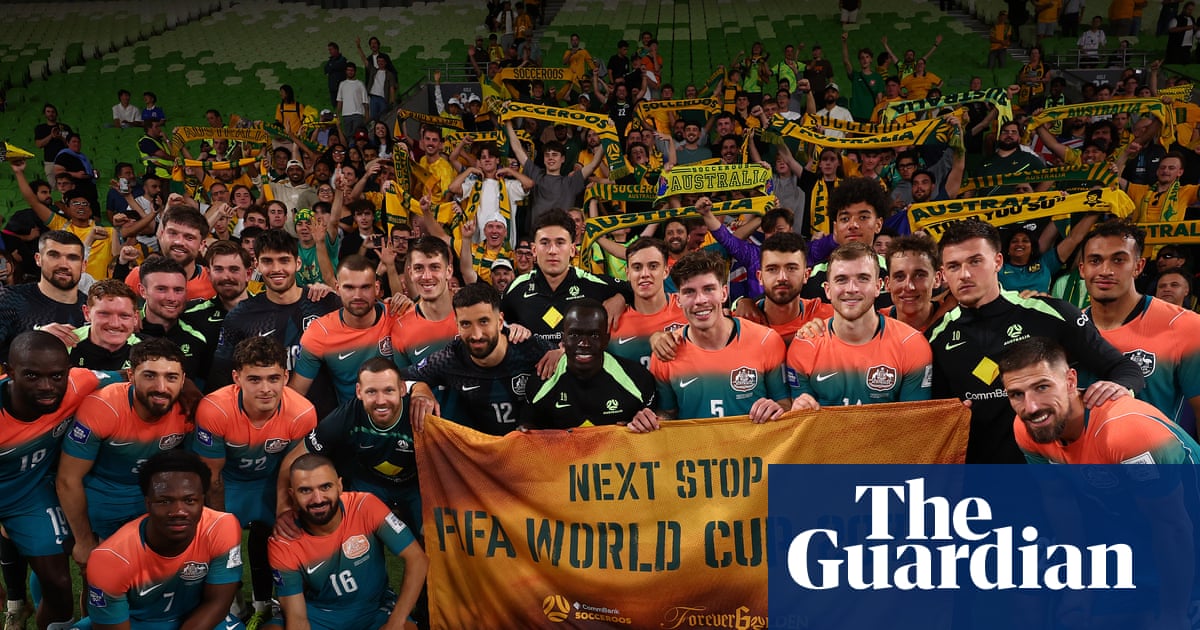
The appointment of Tony Popovic has overhauled Australia’s defensive identity ahead of the summer. As The Guardian reported, the team is now trending toward a disciplined structure focused on knockout potential. This pivot is the only way for the squad to survive against high-tempo opponents. Whether this rigid style translates to tournament football against elite South American sides remains the primary question.
4. Bayer Leverkusen’s Unbeaten Streak Termination
Xabi Alonso’s squad finally dropped a match after a historic run that lasted over a calendar year. The team looked tired, predictable, and physically spent in the final month of the Bundesliga. It serves as a reminder that sustainable high-intensity pressing is a myth in a saturated football calendar. Their drop in form caused a late-season collapse that cost them continental seeding.
5. The Financial Fair Play Audit Consequences
The league-wide investigation into structural spending revealed that three major clubs faced immediate point deductions. We are currently witnessing an era where accounting errors are just as damaging as defensive blunders. The volatility this caused in the final standings changed the trajectory of the coefficient rankings. Fans are still reeling from the realization that their favorite clubs prioritize liquidity over pitch performance.
6. The Rise of the Wide-Area Pivot
Tactical diagrams across Europe showed a shift toward fullbacks operating as inverted playmakers. This move forced mid-table teams to abandon traditional 4-4-2 setups for crowded midfield wedges. While effective for ball retention, it has rendered the traditional winger largely obsolete in high-possession systems. Expect this trend to be the main point of debate during the World Cup openers.
7. Inter Milan’s Tactical Austerity
Inter won the Scudetto by prioritizing goal difference and secondary assist tracking over pure star power. They exploited the fatigue of bigger clubs by playing a slow, deliberate passing game that sucked the energy out of opponents. This anti-spectacle approach is irritating to watch but effective for trophies. It proves that a team doesn't need the flashiest roster to navigate a league season successfully.
8. The Goalkeeper Evolution Under Pressure
Modern keepers are now required to act as the primary distribution hub for attacking transitions. The best teams showed that starting an attack from a short goal kick is the leading cause of high-value scoring chances. However, the recurring errors under high-press situations cost at least four teams a spot in European qualification. We are reaching a point where technical skill with the ball is a liability if the keeper cannot make an actual save.
9. The Suspension of the Expanding League Format
The decision to halt expansion plans for secondary leagues signaled a shift back toward protecting classic clubs. Financial sustainability became the industry obsession, killing off several ambitious "super league" proposals. This was a win for regional integrity, even if it frustrated ownership groups looking for bigger broadcast revenue. The sport is retreating into a preservation phase to avoid systemic bankruptcy.
10. The Statistical Variance in Penalty Shootouts
Analysis of high-level tournaments showed that penalty success is no longer a matter of luck. Elite data analysts are now building custom profiles for every kicker based on hip rotation and visual cues. This level of preparation is stripping the romance out of the tension, resulting in clinical, boring conversions. It is arguably the most soulless evolution in the modern game.
The Big Picture
The 2025-26 season confirmed that structural efficiency is now the primary driver of success. Clubs that focused on data-driven squad rotation outperformed those relying on individual brilliance.
Honorable Mentions
- The surprise resurgence of defensive-midfield play as teams attempt to counter high-attacking fullbacks.
- The failed youth-prospect gamble that saw several teams sell off academy stars for short-term liquidity.