Measuring Impact on the Global Stage
Football history is rarely written by consensus, but specific moments shift the trajectory of clubs and competitions forever. This ranking prioritizes high-stakes execution, tactical defiance, and the sheer unpredictability that defines the sport.
The Critical Ranking
1. Sergio Aguero scoring in the 94th minute against QPR in 2012. The strike clinched the league title for Manchester City on goal difference alone. It remains the gold standard for late-game drama because it effectively erased decades of club inferiority.
2. Lionel Messi’s World Cup win in 2022. By captaining Argentina to the trophy in Qatar, he silenced the final remaining voices questioning his international legacy. The match featured two goals from the captain and a penalty shootout victory that solidified a career spanning nearly two decades.
3. Liverpool’s comeback against Barcelona in the 2019 Champions League semifinals. Trailing 3-0 from the first leg, the team overcame the deficit at Anfield to win 4-0. The intelligence behind the Trent Alexander-Arnold corner kick for Divock Origi remains a masterclass in exploiting defensive lapses.
4. Zinedine Zidane’s volley in the 2002 Champions League final. The technical perfection of catching the ball on the drop from the left edge of the box is unmatched in high-pressure scenarios. It served as a reminder that individual brilliance can render tactical setups entirely irrelevant.
5. Greece winning Euro 2004. As heavy underdogs, they played a suffocating defensive block that forced opponents to choke under the weight of expectation. While the aesthetic quality was criticized by many, the tactical discipline required to beat Portugal twice in one tournament was undeniable.
6. Leicester City winning the 2015-16 Premier League. Starting the season at 5000-1 odds, they dismantled the traditional hierarchy without relying on massive transfer spending. It proved that system-based fitness could disrupt the financial hegemony of the big-six clubs for at least one campaign.
7. Andres Iniesta’s 2010 World Cup winning goal. The timing of the strike in the 116th minute ended a cycle of disappointment for Spanish football. It validated the tiki-taka style that dominated European football for the next half-decade.
8. Mario Gotze’s goal in the 2014 World Cup final. Coming on as a substitute, he controlled the ball with his chest and finished with technical grace to beat Argentina. The moment demonstrated the fine margins involved in major tournaments, where a single moment of composure outweighs 120 minutes of slog.
9. The 'Hand of God' goal from Diego Maradona in 1986. While ethically compromised, the audacity to cheat the system on the world stage remains a topic of intense debate among historians. It ranks lower because such blatant officiating failures are now largely relegated to the past thanks to VAR implementation.
10. Manchester United completing the Treble in 1999. The two goals in stoppage time against Bayern Munich at the Camp Nou redefined what it meant to play until the final whistle. The frantic nature of the comeback highlighted defensive mistakes from the German side that have been analyzed for nearly three decades.
Reflections on Recent Moves
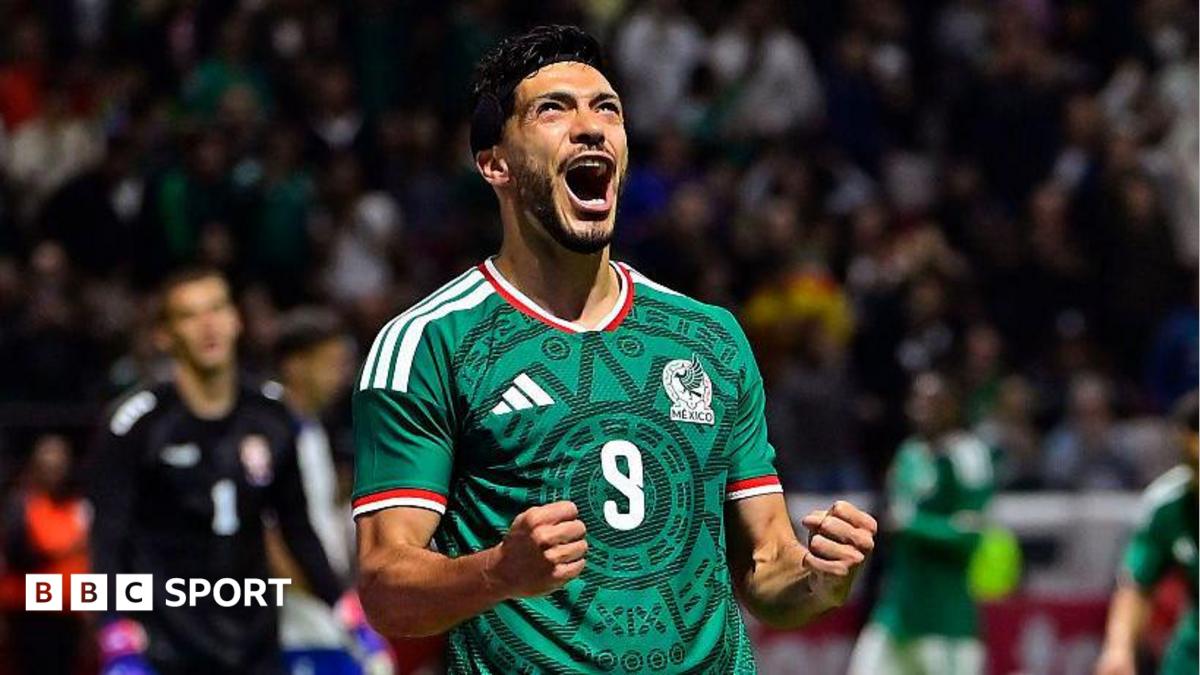
The sport continues to evolve as clubs look to recapture former glory, often at the expense of roster stability. Recent news that Wolves are in talks to re-sign Raul Jimenez illustrates how sides rely on familiar faces when recruitment strategies fail. It is a cynical move, likely aimed at short-term goal production rather than long-term growth.
Honorable Mentions
- Real Madrid three-peating the Champions League under Zidane.
- Brazil's 7-1 defeat to Germany in 2014, a defensive collapse of historic proportions.
- The introduction of the UEFA Nations League, which remains a confused addition to the calendar.
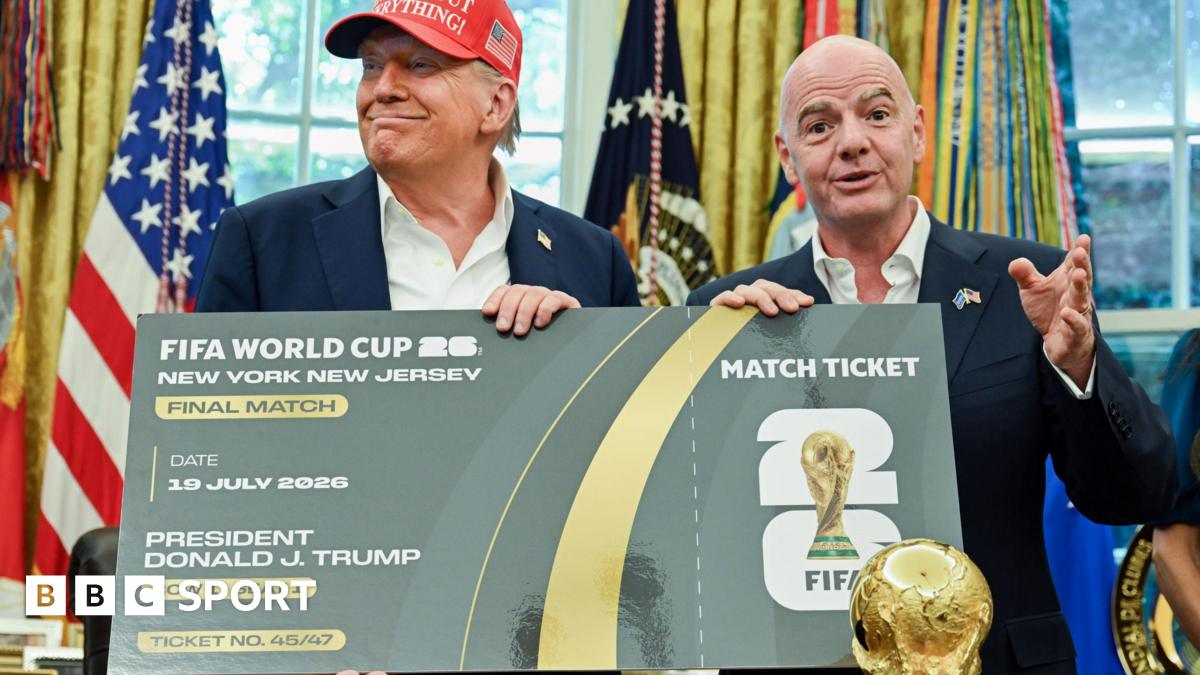
These moments define the sport, yet they also expose the constant struggle between tradition and progress. Whether it is a late-season transfer gamble or a historic final, the game remains as volatile today as it was in 1986. As we approach the 2026 World Cup kickoff, history suggests the most significant moment is likely yet to be written.