The science of playing with a glitchy ticker
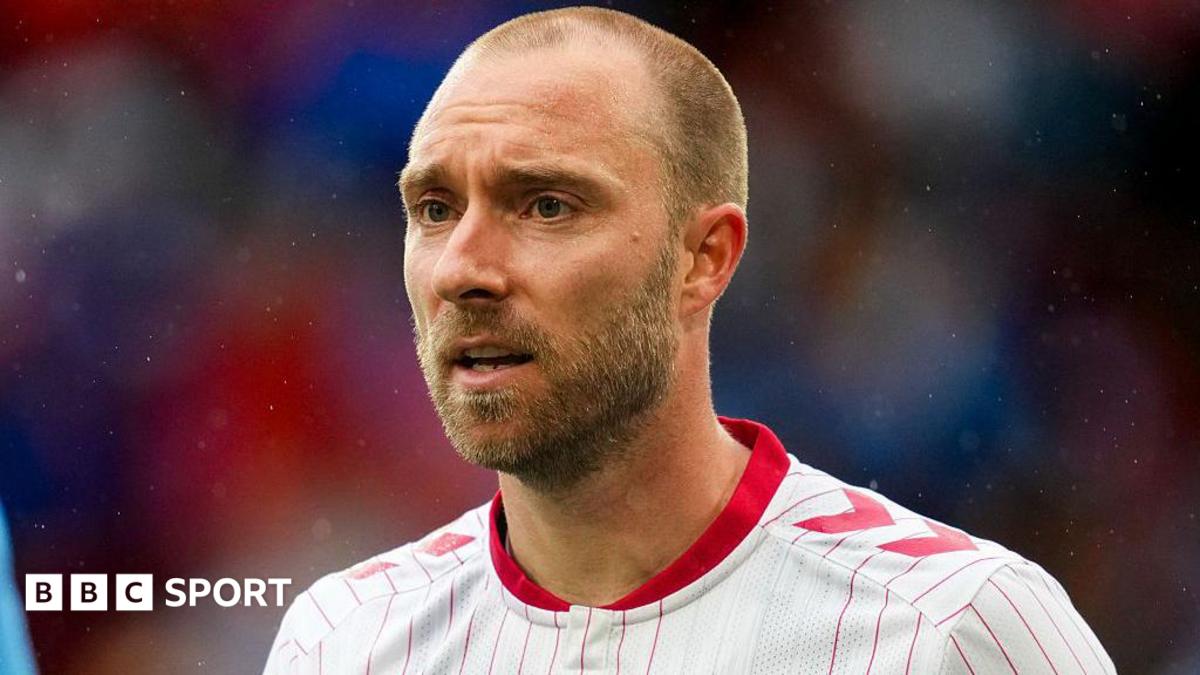
We need to talk about the terrifying reality of athletes running around with an ICD strapped to their chest. It sounds like something out of a cyberpunk novel, but for guys like Christian Eriksen and Daley Blind, it is just a routine medical reality.
An Implantable Cardioverter Defibrillator is basically a tiny, glorified referee living inside your ribcage. It monitors your heart rhythm and prepares to deliver a shock if things go sideways. It is the backup generator you seriously hope never has to kick in during a match.
The mechanics of the zap
When an ICD actually fires, it feels like an unexpected mule kick to the chest. It is not just a mild buzz; it is a high-energy discharge meant to terminate a life-threatening arrhythmia. Imagine trying to chase a through ball while suddenly getting tasered from the inside.
As the BBC reported, the device is coded to wait for sustained abnormal rhythms. It is not going to shock you just because you sprinted for a breakaway and your heart rate spiked. There is a programmed threshold, and the machine is smarter than your average Sunday league defender.
The fine line between clearance and disaster
The real drama happens in the boardroom, not on the pitch. Doctors perform exhaustive tests to ensure the hardware can withstand the physical impacts of a professional contact sport. If you get shoved or take a ball to the chest, that device cannot shift.
We have moved past the era of simply retiring players the moment their heart sends a warning signal. The advancements in tech mean we can manage conditions that would have ended careers 20 years ago. Still, it is a high-stakes gamble every time the whistle blows.
The risk of the false positive
Here is my hot take: the most stressful part is not the fear of a cardiac arrest, but the fear of a fire-happy device. If the ICD misinterprets a spike in heart rate as a dangerous arrhythmia, it could dump a massive charge into a perfectly healthy heart.
It sounds absurd, but that is the trade-off. We trust the software implicitly. We are betting the lives of these men on the accuracy of algorithms designed to detect a rhythm shift in 0.5 seconds or less.
No room for error
If an event occurs during a game, the protocol is immediate. The player goes down, the medical team acts, and the device logs the data for review. It is the ultimate diagnostic feedback loop, but it is cold comfort when you are watching a player collapse on live television.
The physical toll on the heart itself is immense, but the mental gymnastics these guys must play is the real story. Every chest bump, every heavy tackle, every dead-ball sprint carries the weight of that internal device. It is a miracle they can perform at this level at all.
The device is coded to wait for sustained abnormal rhythms.
We are watching elite sports evolve into a hybrid of human effort and medical hardware. I love the game, but watching someone compete with a built-in safety net is a sobering reminder that these players are mortals, not machines. Sometimes the biology just does not keep up with the ambition.