The 2am wake-up call is waking up the trolls
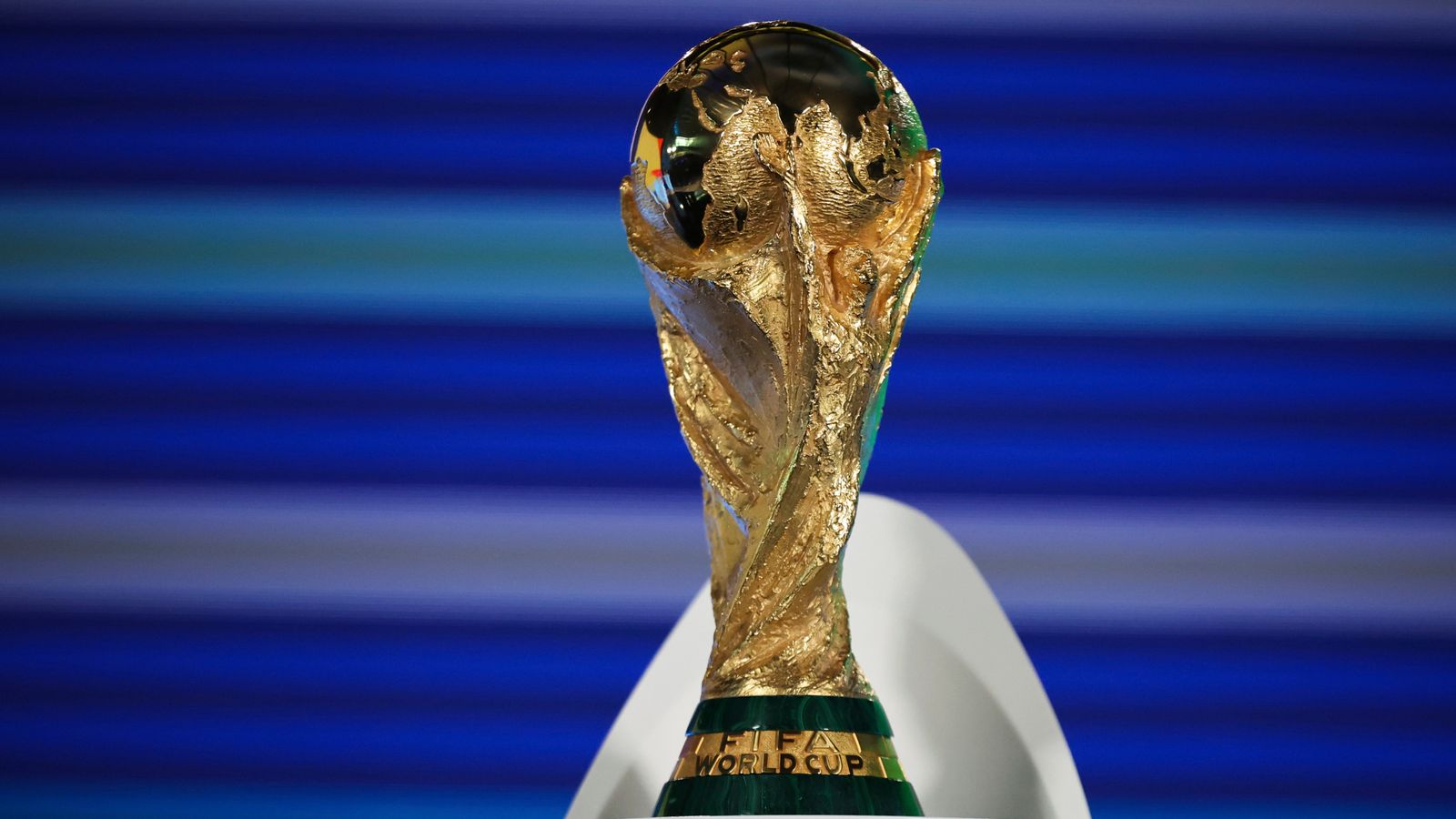
It is June 8, 2026, and we are three days away from the kickoff of a tournament that feels like it has been living in our collective subconscious for a decade. The internet is in its usual pre-tournament state of absolute hysteria. Part of the conversation right now revolves around the broadcasting schedule, specifically the bizarre realities of the time zones. As Kelly Cates mentioned in her recent interview, a huge portion of the viewing experience for UK fans will happen at ungodly hours like 2am, turning the living room into a battleground for domestic peace.
The fan forums are predictably polarized. You have the purists who claim that if you aren't waking up in the middle of the night to watch a group stage match between two teams you don't support, you aren't a real football fan. Then you have the sensible people who just want to know if they can catch the highlights without having their day ruined by Twitter spoilers. The discourse moved toward whether the broadcasting schedule makes this feel like a localized event or a global burden.
The sportswashing elephant is still in the room
Beyond the schedule, the conversation has taken a predictably cynical turn regarding the geopolitical backdrop of 2026. There is a wide spectrum of opinions visible on social media as the opening ceremony approaches. Many fans are exhausted by the pre-tournament political hand-wringing. One sect argues that the sport represents a distraction from the heavy, messy reality of the world; they just want to see the ball cross the line. Others are far more invested, obsessing over whether the optics of the host cities or the involvement of various administrations will overshadow the actual matches on the pitch.
Take the case of the Saudi squad. Recent reporting on transfer market movements and team stability suggests that fans still haven't moved on from the 2022 ghost of Riyadh. That 2-1 shocker in Qatar seems to be a permanent attachment to how we view Saudi Arabia’s chances. Some posters are calling them the ultimate dark horse, while others are convinced that their tactical volatility makes them a total gamble for anyone foolish enough to put money on them in a betting slip.
Why the skepticism is louder than the hype
The skeptics have a point that is hard to ignore: tournament readiness. We have seen teams look like title favorites in April, only to show up in June looking like they have never met each other. The forums are filled with users questioning the cohesion of high-profile squads. There is genuine concern that the reliance on star players from the same few clubs—like Tottenham picking apart the Brighton squad—might lead to fatigue rather than tactical brilliance. It is easy for a team to look organized when you are playing mid-table fodder in the Premier League, but international football is a completely different beast.
My take? The skepticism is the only rational position. We have spent months over-analyzing tactical charts, but every tournament boils down to one or two refereeing blunders or a freak injury inside the first 15 minutes of an opening match. Anyone claiming they have a handle on how this month unfolds is selling you a bridge. The fans who are the most confident are invariably the ones who are going to be the most humiliated by the second round of group games.
The social media thermometer is overheating
The consensus across the typical discourse hubs is that this tournament suffers from an identity crisis. Are we watching a celebration of the sport, or are we witnessing a high-stakes PR war? The fans who thrive on the drama are clearly currently winning the argument. Scrolling through the main football threads, it is clear that people are more interested in the potential for viral chaos than the actual tactical setups for the opening Group A fixture. This feels like a shift from previous cycles where the kits and the squad sheets dominated the conversation.
I am genuinely worried about the defensive depth of some of the heavy hitters. You look at these squads and see a lot of offensive flair but defensive structures held together by duct tape and hope. The teams that go deep will be the ones that actually prioritize staying organized for 90 minutes without losing their heads when a decision goes against them. Watching teams try to force a high line while lacking the recovery pace is going to be the comedy highlight of the next three weeks. Don't say I didn't warn you when a favorite gets knocked out by a counter-attacking side that barely keeps 30 percent possession.
Read Next
- World Cup squad lists are out and the internet is already losing its mind
- Top 10: Definitive Moments of the 2025-26 Premier League Campaign
- When the heart hits the pause button: The reality of ICDs in pro sports
- Top 10: Most Decisive Modern Live International Friendly Performances
- 🏆 World Cup 2026 — Full Coverage Hub