The Anatomy of Survival Failure
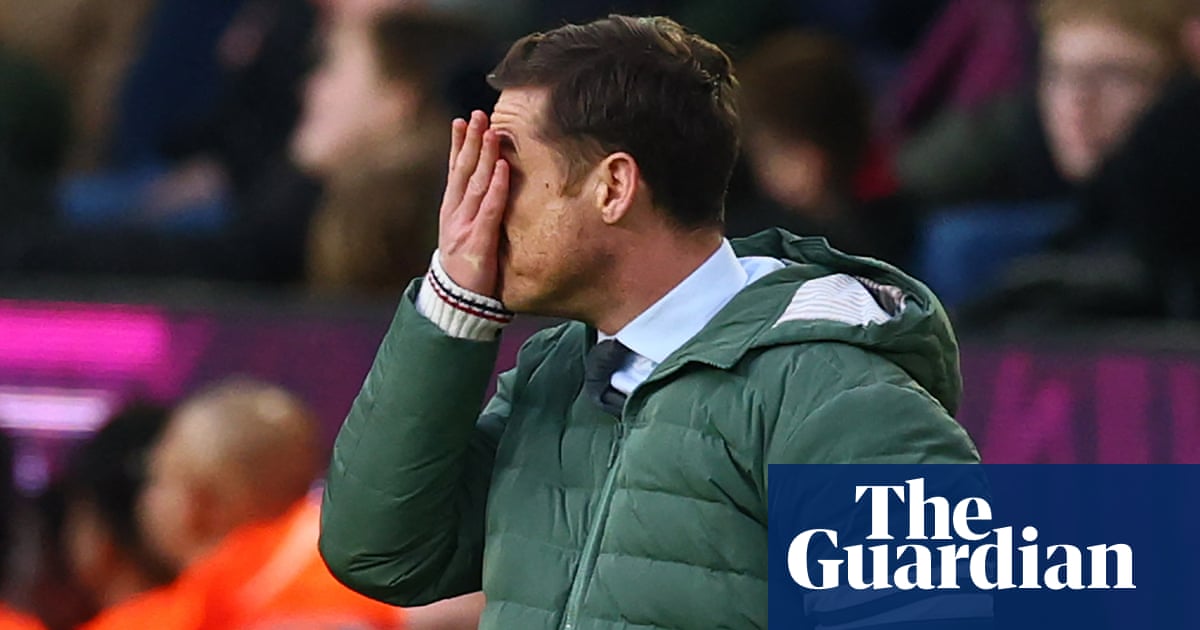
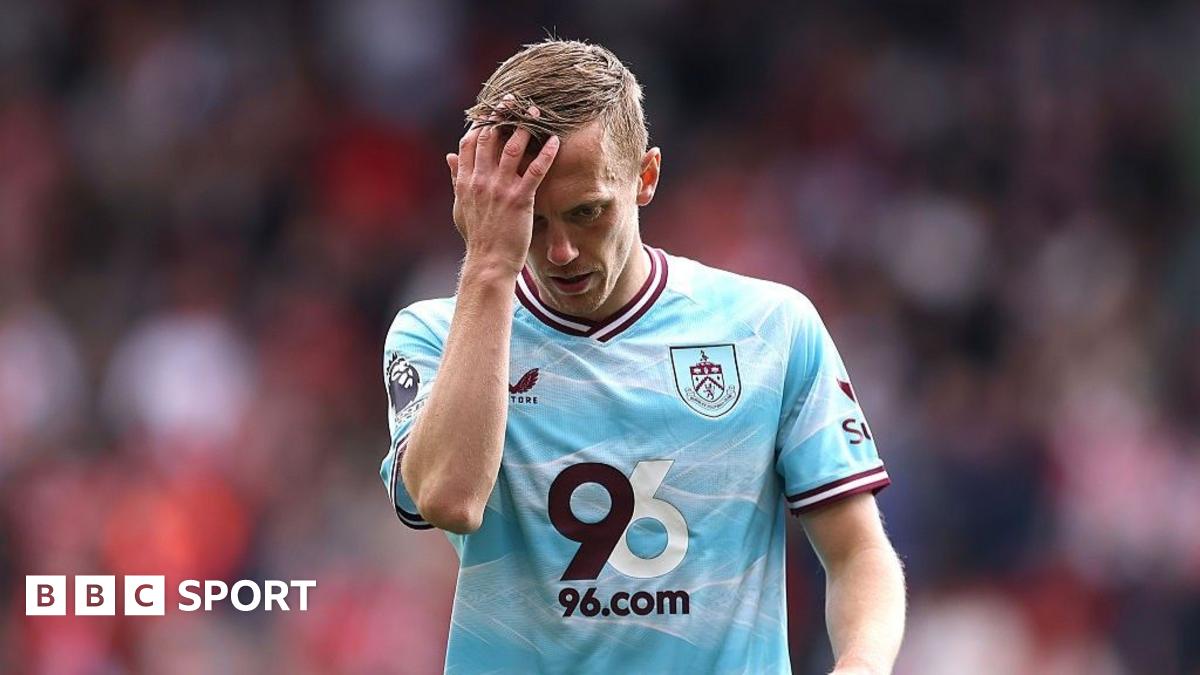
Burnley’s return to the Premier League proved short-lived and mathematically painful. This list dissects the moments that defined their descent into the second tier, where Scott Parker’s side ultimately fell well short of the necessary output required for survival. It remains a grim reality that 34 games yielded only four victories, leaving the club adrift in the relegation zone for the duration of the campaign.
The Ranking of Collapse
- The Relegation Confirmation: The inevitable became official with four games remaining. After the recent defeat to Manchester City, the club’s fate was sealed. It marks a swift return to the Championship, a destination the squad occupied for most of the season.
- The Manchester City Defeat: Keeping the league leaders to a 0-1 scoreline offered a glimmer of pride, but zero points. Haaland struck inside the first five minutes, a moment that highlighted the gap between the haves and the have-nots. While keeping the margin thin shows defensive structure, a loss is a loss when points are non-negotiable.
- The Failure to Win: Winning only four matches in 34 attempts is the primary metric for relegation. Relying on draws creates a slow slide that is almost impossible to halt once the spring schedule hits. Parker’s inability to turn stalemates into three points decimated any hope of building momentum.
- Defensive Fragility: Statistical analysis of this season shows a consistent trend of conceding late goals. The defensive unit struggled to maintain concentration beyond the 75th minute. This recurring theme killed potential points in at least six different fixtures this year.
- Stagnant Attack: The scoring output has been woefully insufficient. A Premier League side cannot survive averaging less than a goal a game. The reliance on singular tactical setups left them predictable for opposition managers to scout and dismantle.
- The Appointment of Scott Parker: The gamble to bring in Parker backfired significantly. While he promised stability, the team spent almost the entirety of the season trapped in the bottom three. The disconnect between his tactical philosophy and the squad’s capabilities became evident early in August.
- Failure at Turf Moor: Home form is typically the bedrock of survival, but Turf Moor stopped being a fortress long ago. Losing crucial home games against direct relegation rivals made this slide inevitable. Supporters watched their team wilt under pressure throughout the winter months.
- The Lack of Mid-Season Reinforcements: The winter transfer window passed without the necessary talent injection. Without adding firepower in January, the team essentially surrendered its hopes of turning around form. This inaction from the board is perhaps the most glaring failure in the hierarchy of the club's administration.
- Midfield Disconnection: The transition from defense to attack lacked urgency. Too many sideways passes defined their play, allowing opponents to shift and reset defensive blocks with ease. It is a slow, methodical approach that works in the Championship but fails against the pressing speed of top-flight midfields.
- The Psychology of the Drop: Perhaps the most damaging aspect was the persistent positioning in the relegation zone. Once players internalized that they were likely favorites for the drop, the body language on the pitch shifted. Losing the mentality battle is just as significant as losing the physical one.
The Big Picture
Burnley is now relegated, a reality documented by the Daily Mail as the latest failure in a season plagued by stagnation. As the club braces for the Championship, the focus shifts to whether management can convince key personnel to remain for an immediate promotion push.
As BBC Sport noted, the club joins Wolves in the basement hunt, leaving a final vacancy for the drop. The performance against City, noted by Sky Sports, provided a quiet end to a loud struggle. The lack of cohesion across the pitch means a complete rebuild is needed before August.
Honorable Mentions
The unfortunate injury list sustained during November disrupted the rhythm of a backline that was just beginning to find consistency. Furthermore, the tactical disconnect between the wingers and the lone striker meant most crosses were left unclaimed in the box. Lastly, the decision to maintain a high defensive line despite conceding high-frequency counter-attacks proved to be a critical tactical error that cost the club dearly in matches they should have controlled.
Read Next