The Inevitable Conclusion
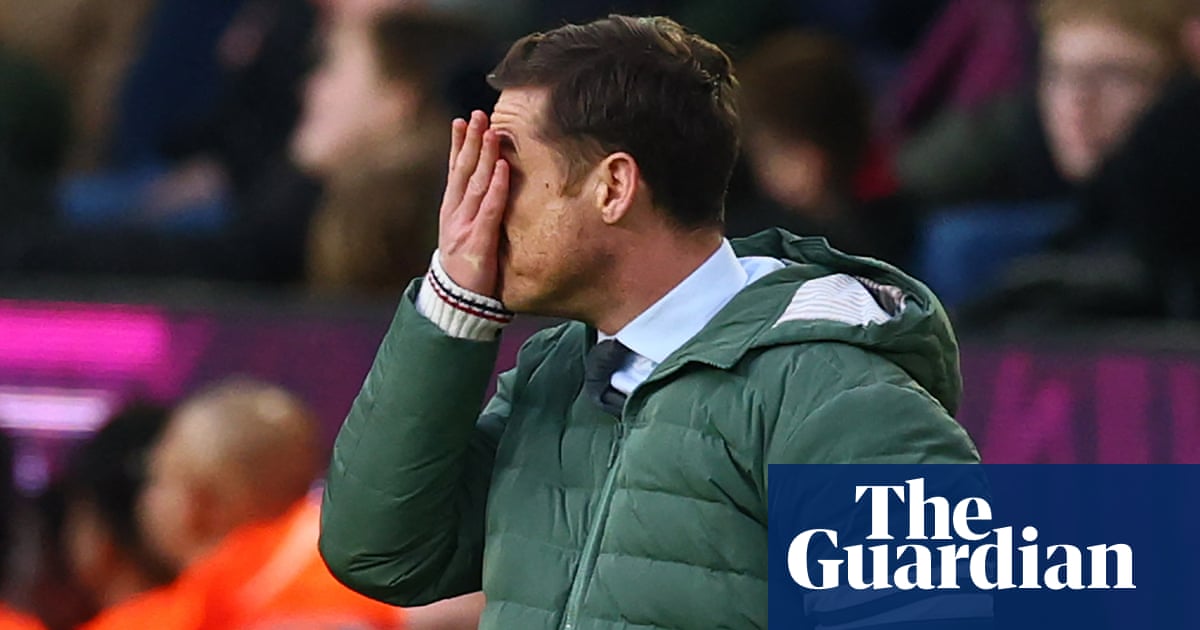
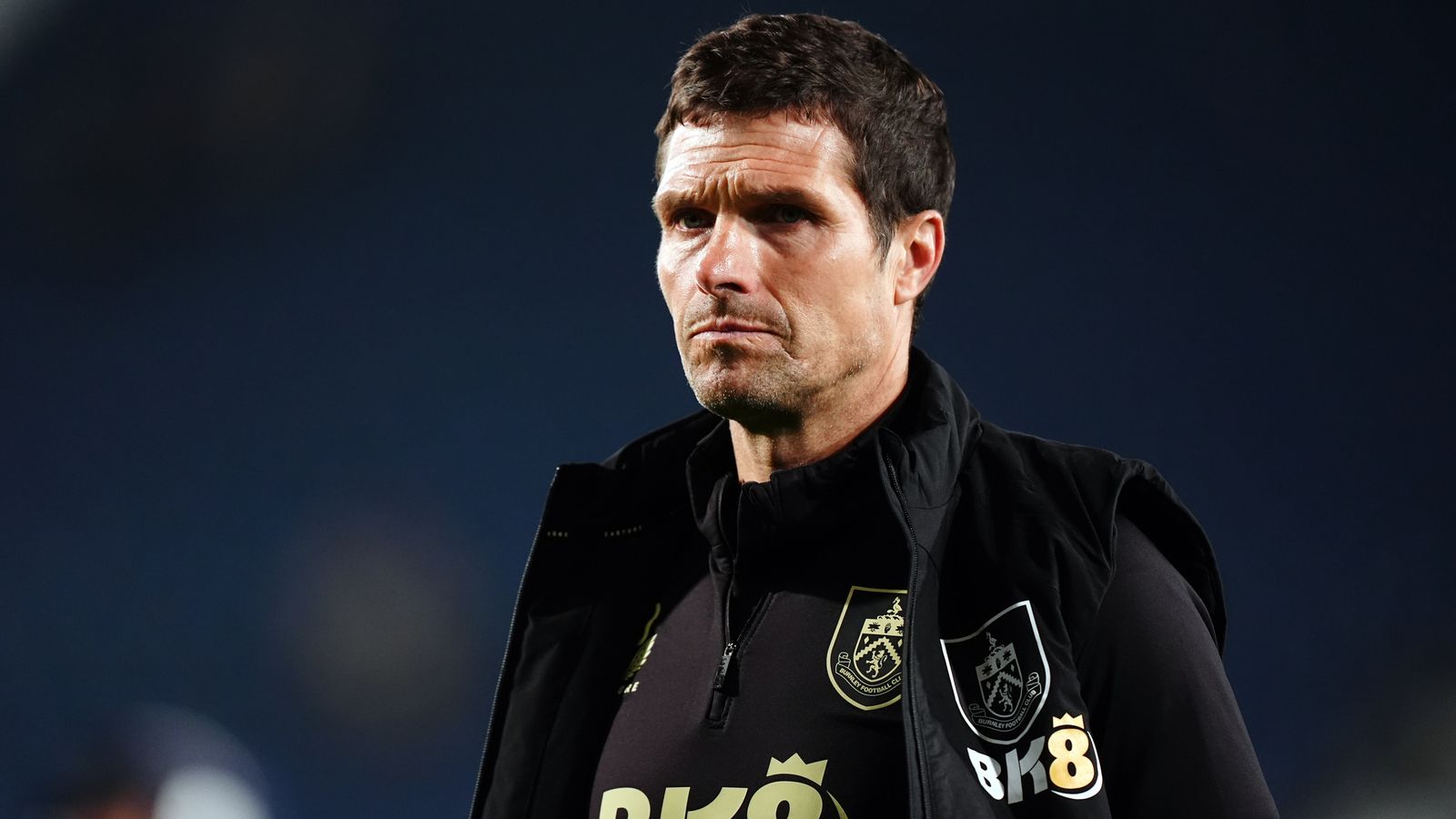
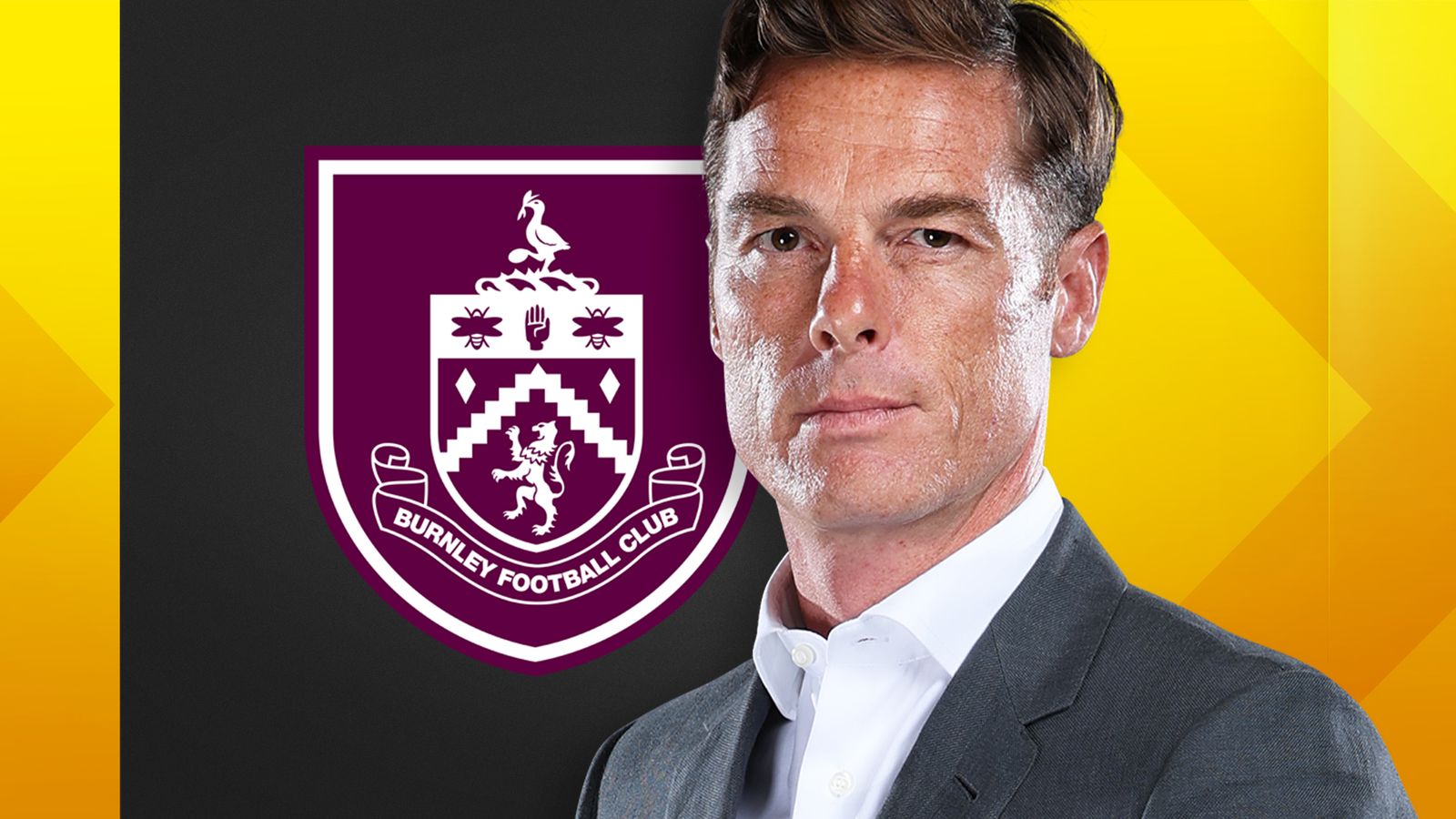
Burnley and Scott Parker have officially parted ways. If you claim you didn't see this coming, you are lying to yourself. The club confirmed the departure with a brief statement, as reported by the BBC:
Burnley head coach Scott Parker leaves the club following talks with the club's hierarchy.
That is standard corporate speak for "we stared at each other in a boardroom until someone blinked, and then we signed the severance paperwork." Relegation from the Premier League is a brutal business. It strips away the PR, it ruins the locker room mood, and it forces a reckoning. For Burnley, that reckoning means hitting the eject button on a manager who looked increasingly out of his depth as the season dragged on.
You have to admire the absolute predictability of the Scott Parker cycle. It runs like a poorly optimized script that crashes at the exact same line of code every time. Phase one: he arrives at a recently relegated or ambitious Championship club. Phase two: he talks extensively about standards and mentality while wearing a very sharp cardigan.
Phase three: the team actually grinds their way to promotion because the squad talent overwhelms the second tier. Phase four: the Premier League reality hits, the attacking patterns evaporate, and the team starts playing a brand of horseshoe football that makes you want to claw your eyes out. Phase five: relegation, followed by a mutual consent departure. We just watched the entire runtime loop play out again at Turf Moor.
A History of Top-Flight Failure
To understand why Burnley fans are mostly shrugging their shoulders today, you have to look at the manager's track record. This isn't an isolated incident. This is a behavioral pattern.
Let's rewind the tape. At Fulham, Parker took over, got them promoted via the playoffs behind the goals of Aleksandar Mitrović, and then oversaw a miserable Premier League campaign that ended in immediate relegation in 2021. The football was notoriously passive. They managed a pathetic 27 goals in 38 league games.
He then moved down south to Bournemouth. He got them automatically promoted in 2022 with a squad that was easily one of the most talented in the division. He then openly complained about the squad's lack of quality. He functionally talked himself into a sacking mere weeks into the top-flight season following a historic 9-0 annihilation by Liverpool at Anfield.
Then came the bizarre stint at Club Brugge in Belgium, which lasted barely two months and produced exactly two wins. When Burnley appointed him in the summer of 2024 after Vincent Kompany bolted for Bayern Munich, the skepticism was already baked in. Sure, Parker could navigate the 46-game Championship slog. He proved he could do that.
But the Premier League requires a completely different tactical engine. You cannot just roll out a rigid possession-based system with inferior players against teams managed by Pep Guardiola or Mikel Arteta. You will get carved open, and that is exactly what happened to Burnley this year.
The pattern is painfully clear. Parker is a manager built for a single environment: a financially dominant Championship team that needs someone to look professional on the touchline while the superior players figure it out on the pitch. The moment he is asked to punch upward, or even just hold his own against equal opposition, the tactical limitations are brutally exposed. You cannot survive in the Premier League on vibes and good posture.
The Tactical Disconnect
Let's talk about the football, because the football was fundamentally broken. When Parker was brought in, the mandate was supposed to be a pragmatic evolution of the possession game Kompany installed. They wanted to keep the ball, but they needed to stop leaking goals. What they got was a disjointed hybrid that achieved neither objective.
You would watch them play against mid-table opposition and practically see the players buffering in real-time. The tactical setup was rigid to the point of being brittle. Opposing teams figured out the cheat code by October: let Burnley pass it around the back four, wait for the inevitable heavy touch or panicked sideways ball, and counter with pace.
It wasn't just bad. It was deeply, aggressively boring. That is the ultimate sin in modern football. You can be bad and entertaining. Fans will forgive a team that loses 4-3 and plays with their hair on fire. But losing 2-0 while holding majority possession in your own defensive third? That is a recipe for a toxic stadium atmosphere.
Turf Moor absolutely turned. The groans started before Christmas. By March, it was open hostility. You cannot sell a fanbase on trusting the process when the process involves zero shots on target for 85 minutes.
The disconnect between what Parker said in his post-match press conferences and what was actually happening on the pitch became impossible to ignore. He kept talking about fine margins. Buddy, it is not a fine margin when your attack creates fewer high-value chances than a team actively trying to throw a match.
The Boardroom Burden
We need to put a significant amount of the blame on Burnley's hierarchy here. This wasn't just a managerial failure. It was an organizational misfire. What exactly is the long-term vision at this club?
They pivoted from Sean Dyche's glorious, mud-stained trench warfare to Kompany's Manchester City-lite, and then seemingly just threw a dart at a board of available English managers. Parker was a safe name. He was a recognizable brand. He was not the right fit for a squad that needed intense, detail-oriented coaching to survive the Premier League meat grinder.
There is a glaring lack of joined-up thinking at the executive level. Look at the recruitment strategy. They signed players who looked like they belonged in three completely different tactical systems.
You had wingers who wanted to hug the touchline and cross. You had central midfielders who wanted to play quick one-twos through the middle. You had defenders who looked terrified every time the ball was played to their feet under pressure. Parker couldn't synthesize these parts into a working machine. Whoever bought the parts deserves to face the music right alongside him.
Relegation means a massive drop in broadcast revenue. The Premier League television deal is the golden goose of world football, and falling out of the top division instantly vaporizes tens of millions of pounds from the balance sheet. The club will have to offload their most valuable assets just to balance the books. The next manager will inherit a weaker squad while facing the exact same pressure to secure immediate promotion.
The Championship Woodchipper Awaits
So now, Burnley are back in the Championship. The parachute payments will soften the financial blow, but the psychological damage is real. The Championship is an absolute woodchipper of a division. You do not just bounce back automatically anymore.
Look around that league. It is packed with massive clubs dragging around bloated wage bills, all desperate to get back to the promised land. Burnley are about to walk into another brutal campaign with a squad full of players who are likely already calling their agents looking for a way out.
The next managerial appointment is massive. They cannot afford another aesthetic-first manager. They need a grinder. They need someone who understands the sheer physical and mental toll of the second tier. If they try to get cute and appoint another tactical philosopher who wants to reinvent the wheel, they will get stuck in the Championship mud for the next five years.
Let's be completely honest about Scott Parker's legacy here. He didn't ruin Burnley, but he certainly didn't elevate them. He was a passenger on a ship that was slowly taking on water, and instead of grabbing a bucket, he just stood on the deck adjusting his tie and talking about the weather.
The Premier League is utterly unforgiving. If you don't have a distinct tactical identity and the ability to adapt in-game, you get found out immediately. Parker got found out. Again.
It will be fascinating to see where he lands next. Someone in the Championship will inevitably convince themselves that he just needs the right environment or a proper pre-season. Maybe there is a level where his exact brand of management works perfectly. But it is blindingly obvious that level is not the Premier League. Relegation is a bitter pill, but finally cutting ties with a failed experiment is the first necessary step toward actual recovery.