The Big Picture
The 2025-2026 season was defined by extreme volatility, shifting power dynamics across Europe, and a series of high-stakes failures that will reshape the sport long before the World Cup kickoff on June 11, 2026. Every entry on this list represents a threshold moment where institutions crumbled or stars cemented their legacies amid unprecedented public scrutiny.
The Definitive Ranking
10. Manchester City failing to secure a domestic trophy. Pep Guardiola’s side finished the campaign empty-handed for the first time in over five years. It was a statistical anomaly given their possession numbers, but the lack of clinical finishing in the final third proved fatal.
9. The collapse of the traditional Big Six hierarchy. Smaller clubs exploited the internal instability at Old Trafford and North London, shifting the financial gravity of the Premier League. This wasn't merely a bad run of form; it was an institutional failure to adapt to modern scouting metrics.
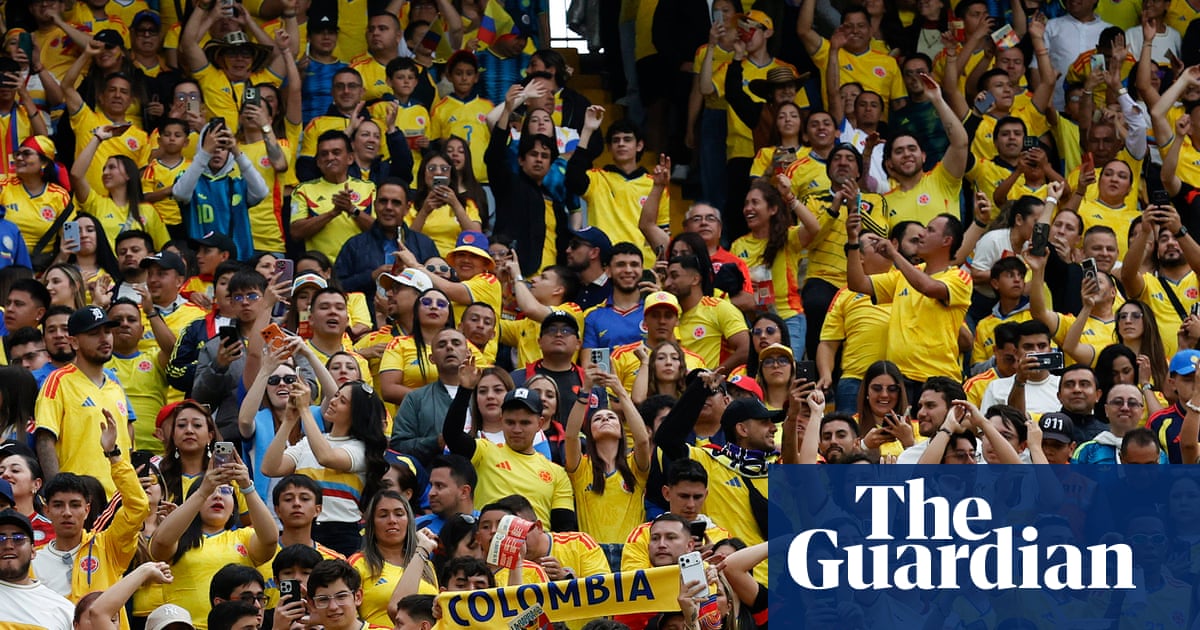
8. James Rodríguez returning to lead Colombia in 2026. After years of speculation regarding his professional decline, the 2014 Golden Boot winner secured his role as the focal point for his nation. His ability to dictate play at this stage of his career is a rare example of individual brilliance defying age curves.
7. The tactical stagnation of the French national team. Despite their loaded roster, Didier Deschamps struggled to integrate new creative outlets, leading to sluggish performances throughout preliminary qualifiers. They remain favorites, but the internal friction displayed on the pitch paints a worrying picture for tournament viability.
6. Real Madrid’s final day defensive meltdown. They surrendered a three-goal cushion in the season closer, conceding the title to their cross-town rivals. It was a humiliating collapse that prompted immediate whispers about the manager’s future in the seat.
5. Luis Díaz emerging as the undisputed leader for his country. His movement in the final third has become the most dangerous weapon in the South American qualifiers. He carries the weight of a nation that expects more than just a deep run on home-adjacent soil.
4. The deadline day scramble for Elliot Anderson. It became the symbol of a market gone wrong, as United and their counterparts engaged in a chaotic bidding war that defied logical valuation. The astronomical figures thrown around highlighted the desperation gripping the league's top brass.
3. Spain’s tactical revolution during the Nations League cycle. Luis de la Fuente moved away from rigid possession metrics toward a faster, direct vertical style that crushed opponents. They arrive at the tournament as the most dangerous side, effectively rewriting how their squad is perceived by the betting markets.
2. The managerial implosions in mid-March. A record number of clubs fired their leads within a ten-day span, turning the end of the season into a structural nightmare. It proved that owners understand very little about patience or long-term team building.
1. The public scrutiny facing England at base camp. The Three Lions entered the tournament as the third-favorite, yet the mood within the media bubble is distinctly combative. The pressure is suffocating, turning every minor training ground injury into a national crisis that threatens to derail their prospects before the first match.
Honorable Mentions
The rise of unconventional youth scouting in the Bundesliga narrowly missed the cut. Also worth noting is the quiet resilience of the Italian defensive line, which outperformed advanced metrics despite constant criticism during the qualifying rounds. The failure to secure VAR consistency throughout the season remains the biggest complaint among supporters, a persistent technical error that cost clubs $45 million in potential prize money.
The scheduling of the tournament itself remains a point of contention for many active professionals. Reports indicate widespread fatigue among elite squads who played 65 matches or more. If injuries flare up in the group stages, the entire tournament structure will face a massive legitimacy crisis.
It is worth noting that while some squads focused on tactical growth, others spent the season chasing ghosts of previous glory. Many of the veteran coaches failed to integrate new data sets, relying on outdated philosophies that crumbled against high-pressing, data-driven opposition. This trend will likely continue as the sport moves toward increasingly faster, more punishing transitions.
Ultimately, this season will be remembered for the sheer lack of consistency at the top of the pyramid. The gap between expectation and reality has never been wider for legacy clubs. As we look at the current form of these squads, it is clear that the upcoming tournament will be decided by who managed their institutional fatigue the best since last September.
The fans have had enough of the excuses. Whether it is overpaid midfielders or coaches who refuse to adapt, the margin for error is effectively zero. We are witnessing a transition period where the old guard is being replaced by teams that prioritize speed above pedigree. The stats prove it: the lower the average age, the higher the points-per-game ratio became in the final quarter of the year. It remains the most telling trend of the entire calendar.