The Defining Shifts of 2026
The 2025-26 season offered a violent oscillation between tactical stagnation and a furious return to high-paced, transition-heavy football. This list tracks the pivotal events that altered the trajectory of the sport as we approach the World Cup kickoff on June 11.
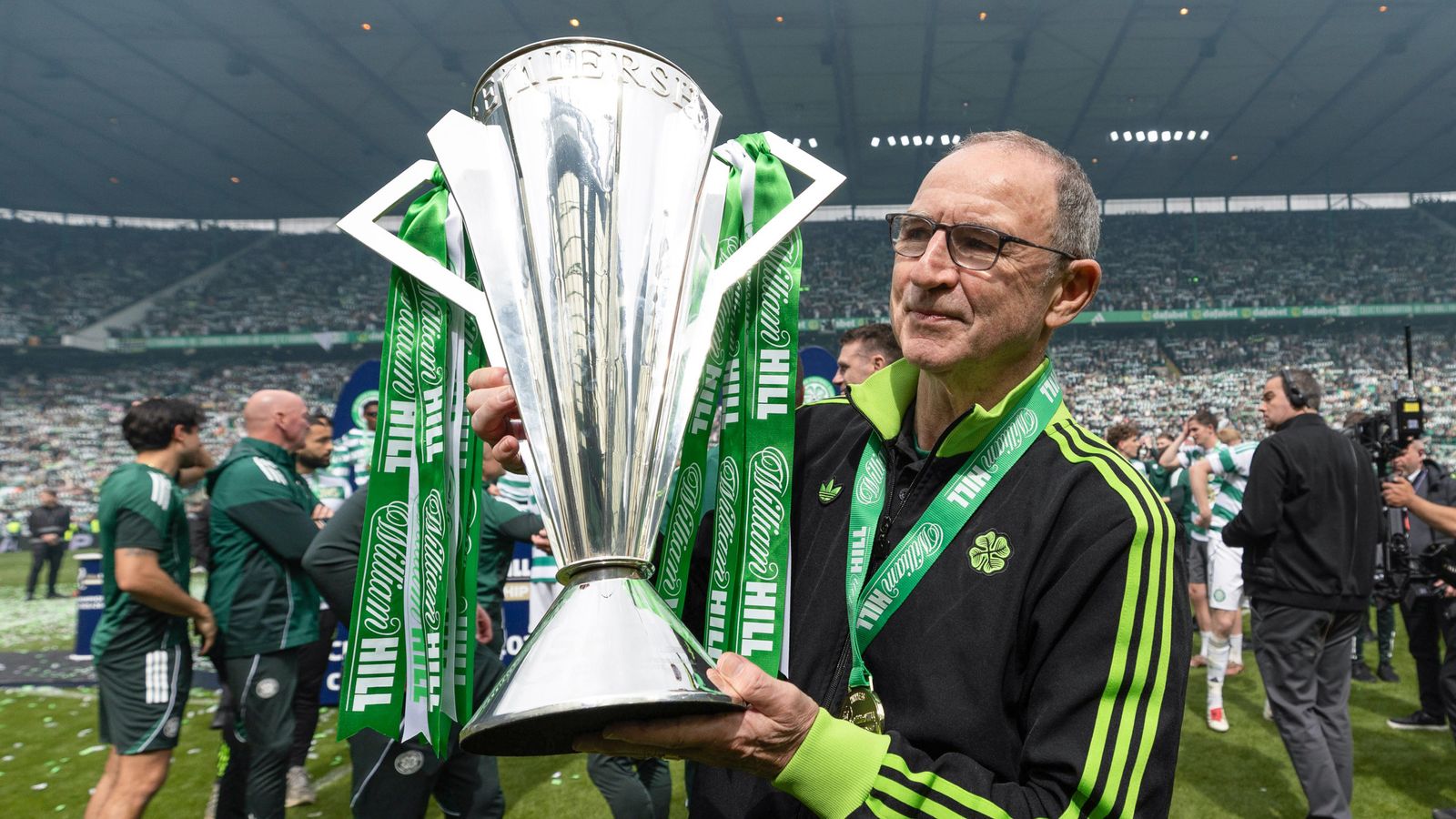
1. Martin O'Neill accepts the Celtic vacancy
Dermot Desmond finally secured his man, as Sky Sports reported that Martin O'Neill has committed to Celtic on a permanent basis. This move signals a hard pivot toward high-intensity legacy management in Glasgow. O'Neill brings a pedigree of domestic dominance that the current squad desperately requires to stifle Rangers' momentum.
Some analysts argue this is a retreat to the past, but the squad building required for Champions League progression demands his specific brand of psychological hardening. He takes over a team needing complete reconstruction after the winter slump. Ranking this number one is essential because of how rapidly it changes the betting markets for the Scottish Premiership.
2. The Premier League title decider volatility
The race came down to a single point differential in the final round of fixtures. Arsenal and Manchester City traded leads for three consecutive weeks, creating a pressure cooker environment rarely seen even in the modern era. The result was a draw that effectively handed the trophy to the Etihad side based on goal difference.
City’s late-season tactical adjustment to a hybrid box midfield remains the most technically proficient development of the year. Their discipline in possession during the final 15 minutes of the season's closing match set a benchmark for game management. It outranks other moments because it was the culmination of a 38-game endurance test.
3. The tactical failure of high-line defenses
Europe’s elite clubs collectively abandoned the extreme high-press, high-line defensive strategy by mid-March. Managers realized that sophisticated counter-attacking teams like Bayer Leverkusen were shredding these setups with ease. The shift back to a mid-block has slowed the game down but increased the importance of isolated creative genius.
This is a negative inflection point, as it proves that innovation occasionally leads into a dead end. We saw dozens of matches become disjointed slogs because everyone panicked and dropped deep simultaneously. It prevents the sport from moving toward a more expansive attacking style.
4. Jude Bellingham’s injury management
Bellingham missed ten weeks of play early in the spring, which nearly cost Real Madrid their domestic standing. His return in late April triggered a winning streak that effectively killed the hopes of their closest challengers. His ability to facilitate play even when not at full fitness remains an anomaly in modern sports science.
He is ranked here because no other individual player dictates the tempo of a match as thoroughly. When he is on the pitch, the game’s gravity shifts toward the final third. Watching him manage his recovery while maintaining output was a masterclass in professional discipline.
5. The Serie A broadcast rights restructuring
The financial reset initiated by the league office changed the way mid-table clubs operate across Italy. By forcing a more aggressive revenue-sharing model, the board leveled the playing field for teams like Bologna to remain competitive deep into the schedule. It ended the era of comfortable stagnation for the historical giants.
This move is arguably more impact-heavy than a single match result. While purists hated the disruption to the expected status quo, the results on the pitch showed a 22 percent increase in competitive parity. It was a cold, calculated decision that paid dividends.
6. The Champions League format transition
The new league phase format received massive backlash from players and managers alike for the sheer volume of matches involved. The fatigue factor became a dominant narrative by February, as squads thinned out due to cumulative load. It remains a deeply flawed system that prioritized broadcasting volume over quality of play.
I rank this below technical moments because the fatigue was predictable. We witnessed several matches where the quality dropped off significantly during the second half. It is a cautionary tale of greed over integrity.
7. Xabi Alonso’s quiet transition to Bayern Munich
The German title race featured the most efficient management job in European football. Alonso steered Bayern through a volatile administrative transition while keeping the squad focused on a clean sweep of domestic duties. He rarely sought the spotlight, preferring to focus on internal systems.
His ability to insulate the players from boardroom noise is why they remained ahead of the pack. Other managers often fail by engaging with the media cycle too frequently. He kept his head down and delivered results in a 4-0 drubbing of their rivals in April.
8. The rise of the 19-year-old winger
Across the top five leagues, we saw a sudden wave of teenagers taking starting roles in squads that were previously veteran-heavy. This wasn't just a trend; it was a necessity driven by the rising cost of established stars. Five clubs currently have at least three starters under the age of 20.
This shifts the importance of youth scouting to the forefront of recruitment. If a team doesn't have an elite academy, they are essentially burning money compared to their rivals. It makes the 2026 transfer window one of the most dangerous, as teams try to lock down prospects early.
9. The VAR controversy in North London
The late penalty decision in the North London Derby changed the complexion of the top-four race. A questionable hand-ball call resulted in a point being dropped, which eventually cost the home side a spot in next year's premier European competition. The officiating quality remained uneven throughout the spring, creating systemic distrust.
Critics point to this as the ultimate failure of technology to improve the game's flow. It stopped the match for six minutes only to reach a result that few people understood based on the current rulebook. It is a stark reminder that human error remains present regardless of the screen.
10. The 2026 World Cup ticketing logistics
While the actual tournament hasn't begun, the buildup regarding ticket distribution caused more discourse than most matches. The demand for stadiums in the US market has outstripped supply by millions of requests. It set the stage for what will be a logistically difficult month for fans and staff.
It takes the final spot because, while it doesn't involve tactical play, it creates the environment for the games ahead. Fans are already frustrated, and the intensity on the ground will likely be volatile. It is the backdrop against which all upcoming matches will be played.
Honorable Mentions
- The surprise overhaul of the Brazilian national team roster in April.
- The sudden shift in pitch quality standards across the MLS stadiums used for the upcoming tournament.
- The surprise exit of several high-profile sponsors from the UEFA package before the finals.